








The Shift in Digital Distribution Models
The landscape of digital content distribution is currently defined by the rotation of titles within subscription ecosystems. Microsoft’s Game Pass, a flagship service for Xbox and PC users, operates on a model that frequently updates its library. While this rotation ensures a steady influx of new software, it also necessitates the departure of established titles. As of mid-October, a significant cohort of acclaimed games is scheduled to exit the service, marking a transition point for subscribers who have yet to engage with these experiences.
Among the titles departing, the most prominent is Clair Obscur: Expedition 33. Recognized as one of the most successful third-party titles to debut on the service upon its release, the game garnered critical acclaim for its departure from traditional turn-based constraints. Its exit serves as a reminder of the transient nature of cloud-based subscription libraries, where access is granted based on licensing windows rather than permanent ownership. This model prioritizes the discovery of new software, but it places a time constraint on users who favor a slower pace of play or deep, completionist exploration.
Technical Innovation in Turn-Based Combat
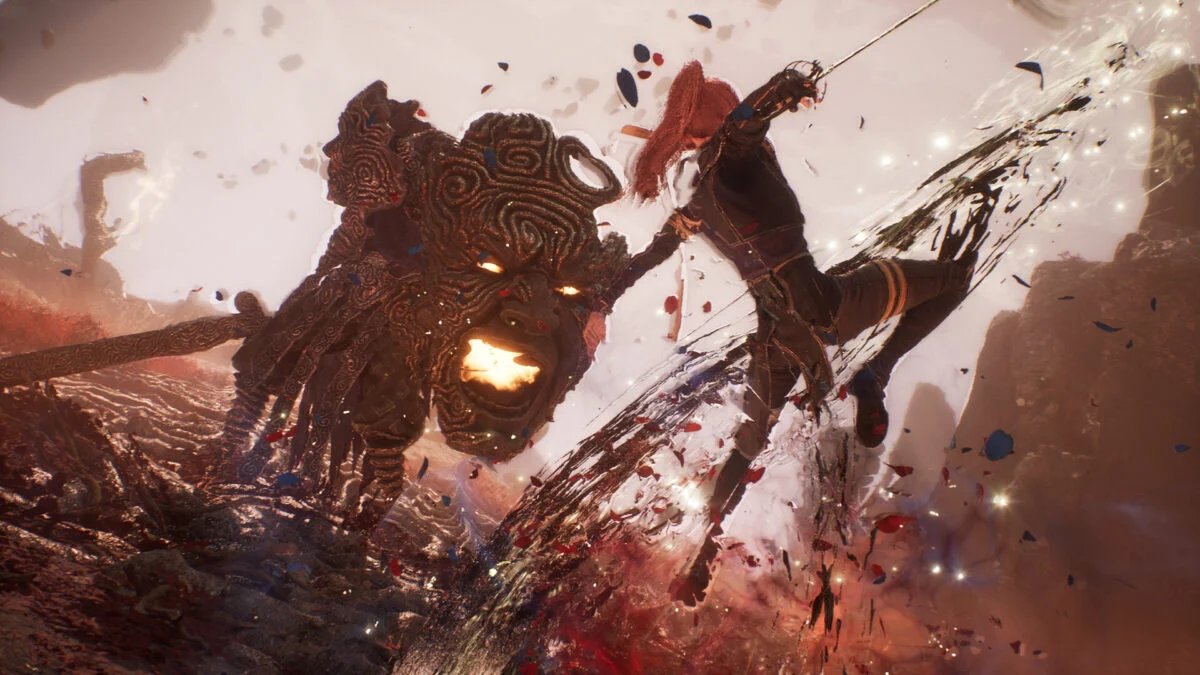
Clair Obscur: Expedition 33 is widely lauded for its mechanical innovation within the role-playing genre. Historically, turn-based RPGs relied on static command inputs, where player skill was measured primarily through stat management and team composition. Expedition 33 disrupts this by incorporating real-time input requirements, specifically through its dodge and parry systems. These mechanics require players to synchronize their reactions with incoming enemy maneuvers, effectively adding an layer of dexterity-based challenge to a genre typically defined by strategy.
By requiring active participation during the defensive phase of combat, the developers have modernized the rhythmic experience of turn-based gaming. This integration prevents the stagnation often associated with long-form RPGs, keeping the player engaged even during standard encounters. For those who have not yet navigated its narrative, the game offers a significant duration of content; a standard playthrough of the main quest lasts approximately 30 hours, while a total completionist run can exceed 60 hours. With the removal date of October 15, current subscribers must choose between prioritizing the main narrative trajectory or engaging with the extensive supplemental side content.
Diverse Genres Facing Rotation
The departure list for mid-October is notable not just for the caliber of the titles, but for the breadth of genres represented. Alongside the high-profile RPG, several other notable games are exiting the service, including The Casting of Frank Stone, Crime Scene Cleaner, Donut County, Evil West, Superball, Nova Roma, Pacific Drive, and A Plague Tale: Requiem.
Pacific Drive presents a distinct technical focus on procedural generation and vehicle-based survival mechanics. Set in a high-stakes, anomalous version of the Pacific Northwest, the game tasks players with maintaining a physical station wagon as their primary tool for survival and exploration. The technical complexity lies in the interplay between vehicle systems, weather-based environmental hazards, and the requirement for efficient resource management. Similarly, A Plague Tale: Requiem offers a masterclass in atmospheric rendering and stealth-based puzzle solving, depicting a dark, disease-ridden medieval landscape. These games highlight the diversity of the current rotation, catering to audiences interested in technical survivalism, horror, and puzzle-based logic.
Utility and Playtime Efficiency
For users attempting to optimize their remaining time before these titles are removed, a structured approach to play is beneficial. Games like Donut County serve as a contrast to the long-form experiences mentioned above. As a physics-based puzzle game, it can be completed in a few hours, making it a high-value title for those with limited play windows. Its mechanics revolve around the manipulation of a sinkhole to consume objects within a map, increasing in size as the player progresses. The simplicity of its technical design contrasts with the complexity of games like Pacific Drive, providing a spectrum of accessibility for different play styles.
The removal of these titles also raises questions regarding data preservation and progression. Users often rely on cloud saves to maintain their history across devices. When a game leaves a subscription service, the license to play the software is revoked, but the save data typically remains stored in the cloud. Should a player choose to purchase these titles independently in the future, their progress—ranging from character levels in Expedition 33 to unlocked vehicle upgrades in Pacific Drive—will theoretically remain intact and accessible.
Strategic Implications for Subscribers
The departure of these nine titles underscores the necessity for subscribers to manage their digital library with foresight. Because Game Pass functions as a platform for discovery, users often start multiple titles simultaneously. However, the impending removal of games like A Plague Tale: Requiem and Expedition 33 requires a shift from exploration to completion.
The impact on the consumer is two-fold. First, it highlights the value of the subscription service in providing access to high-fidelity titles at a lower entry cost. Second, it emphasizes that such access is finite. As platforms continue to evolve, the ability to discern which titles offer the most value relative to the remaining time becomes a critical skill for the modern player. Whether through the cinematic storytelling of a turn-based masterpiece or the environmental tension of a survival simulator, the titles leaving in October represent a significant chapter in the platform’s history, prompting a final opportunity for engagement before they transition out of the current library.
Disclaimer: This content is auto-generated for informational purposes only.
Source: Read Original News