








India’s ‘Cleanest Village’ Bars Visitors on Sundays to Regain Peace
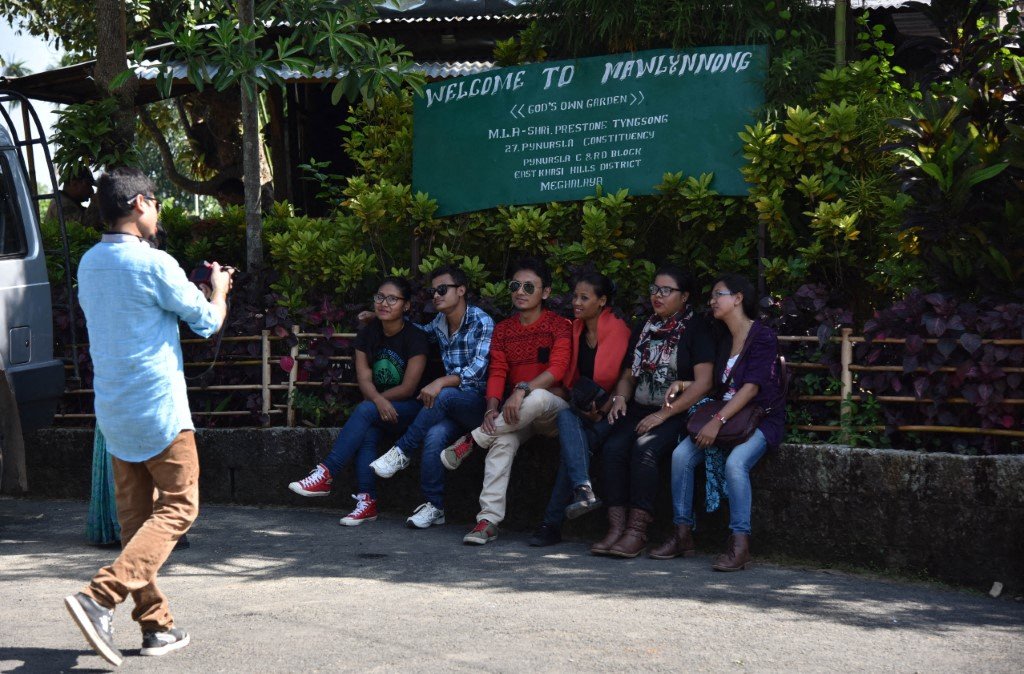
Known globally as “Asia’s cleanest village,” Mawlynnong in Meghalaya has made a landmark decision to pause its bustling tourism schedule. Starting immediately, the village council has declared that no visitors will be permitted on Sundays. This strategic move aims to allow the local Khasi community to observe their day of worship in peace and provide the village’s ecosystem a much-needed weekly respite from the constant flow of travelers.
Preserving the Sanctity of Tradition
For years, Mawlynnong has been a poster child for sustainable tourism. Nestled in the East Khasi Hills, the village gained international acclaim for its immaculate streets, manicured gardens, and community-driven waste management systems. However, the surge in popularity—which often saw hundreds of vehicles descending on the tiny hamlet daily—began to take a toll on the quiet, spiritual life of the residents.
“Our village has always been rooted in a deep respect for nature and faith,” said a member of the village Dorbar Shnong (village council). “While we welcome guests and are proud to share our culture, Sunday is a sacred day for our community. We need this time to reconnect with our families, attend church services, and breathe without the pressure of managing crowds.”
Reclaiming the Environment
Beyond the social aspect, the weekly closure serves an environmental purpose. Even the most eco-conscious tourists leave a footprint. The constant footfall on the village’s carefully maintained pathways and the strain on local sanitation infrastructure have necessitated a “recovery period.” By enforcing a complete shutdown for 24 hours every week, the village hopes to maintain the high environmental standards that earned them their title.
Local guides and homestay owners, while acknowledging the loss of revenue, have largely supported the move. They argue that the sustainability of the village’s reputation depends entirely on maintaining its charm, which is easily eclipsed by over-tourism. By keeping the village off-limits on Sundays, the community is prioritizing long-term ecological health over short-term financial gains.
A Model for Sustainable Tourism
Mawlynnong’s decision highlights a growing trend in Indian tourism: the push toward “slow travel” and responsible management. As other popular destinations in the Himalayas and the Northeast struggle with the negative impacts of mass tourism—ranging from waste management crises to the erosion of local culture—Mawlynnong’s proactive approach stands as a blueprint for others to follow.
The village council has confirmed that all entry points will be monitored, and tourist vehicles will be turned away before reaching the village boundaries on Sundays. Residents are hopeful that this boundary will encourage visitors to plan their trips more thoughtfully during the weekdays, spreading the influx of people more evenly across the week.
This bold step serves as a reminder that the world’s most pristine spots are not mere commodities to be consumed; they are homes to communities that deserve the right to preserve their privacy, their faith, and their natural heritage. As India looks toward more sustainable tourism practices, the silent, clean Sundays of Mawlynnong may well become the new standard for how communities protect their most precious assets.
Disclaimer: This content is auto-generated for informational purposes only.
Source: Read Original News