





Global Order Redefined: Jaishankar Identifies US Policy Shift and China’s Rise as Twin Pillars
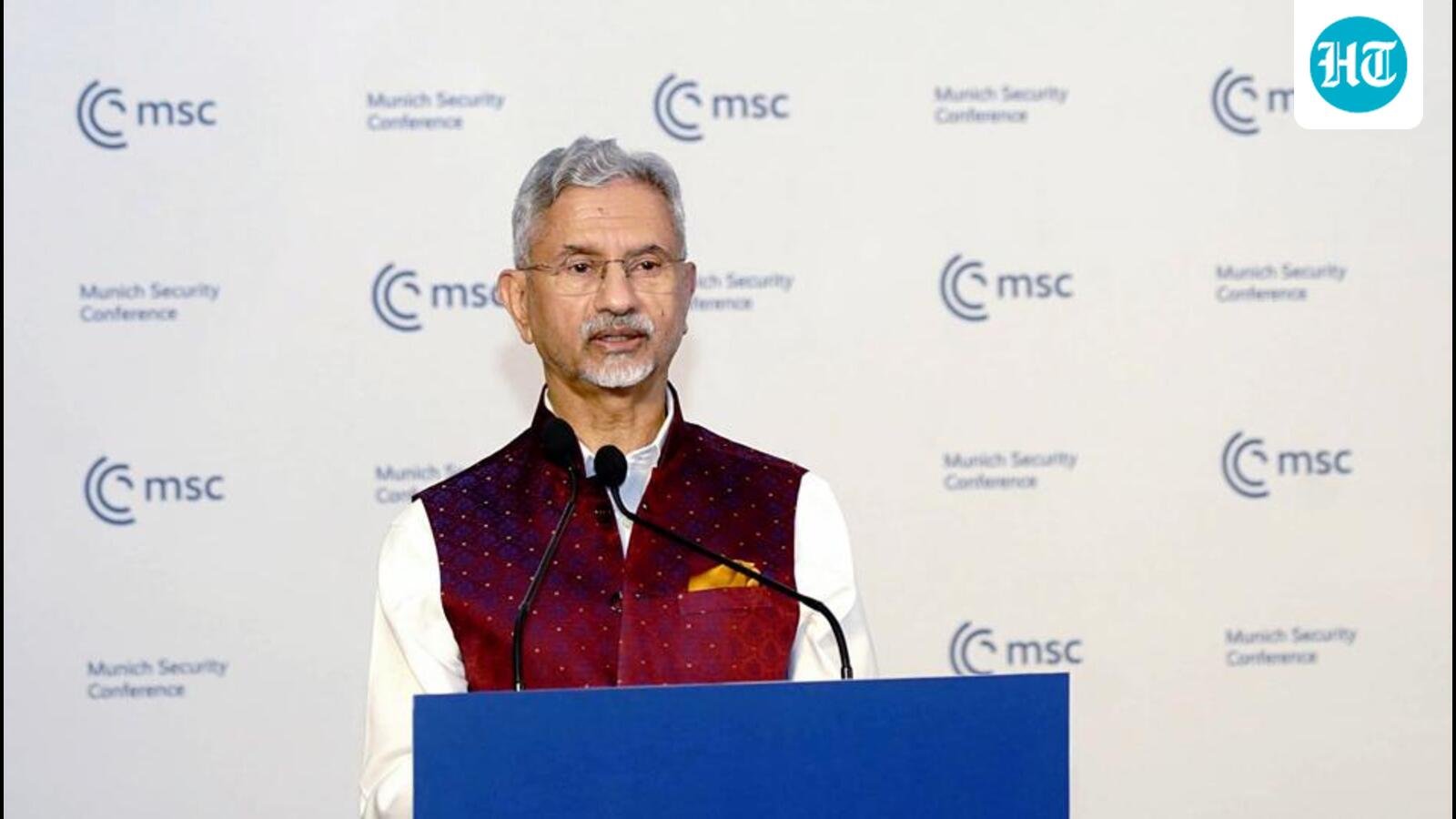
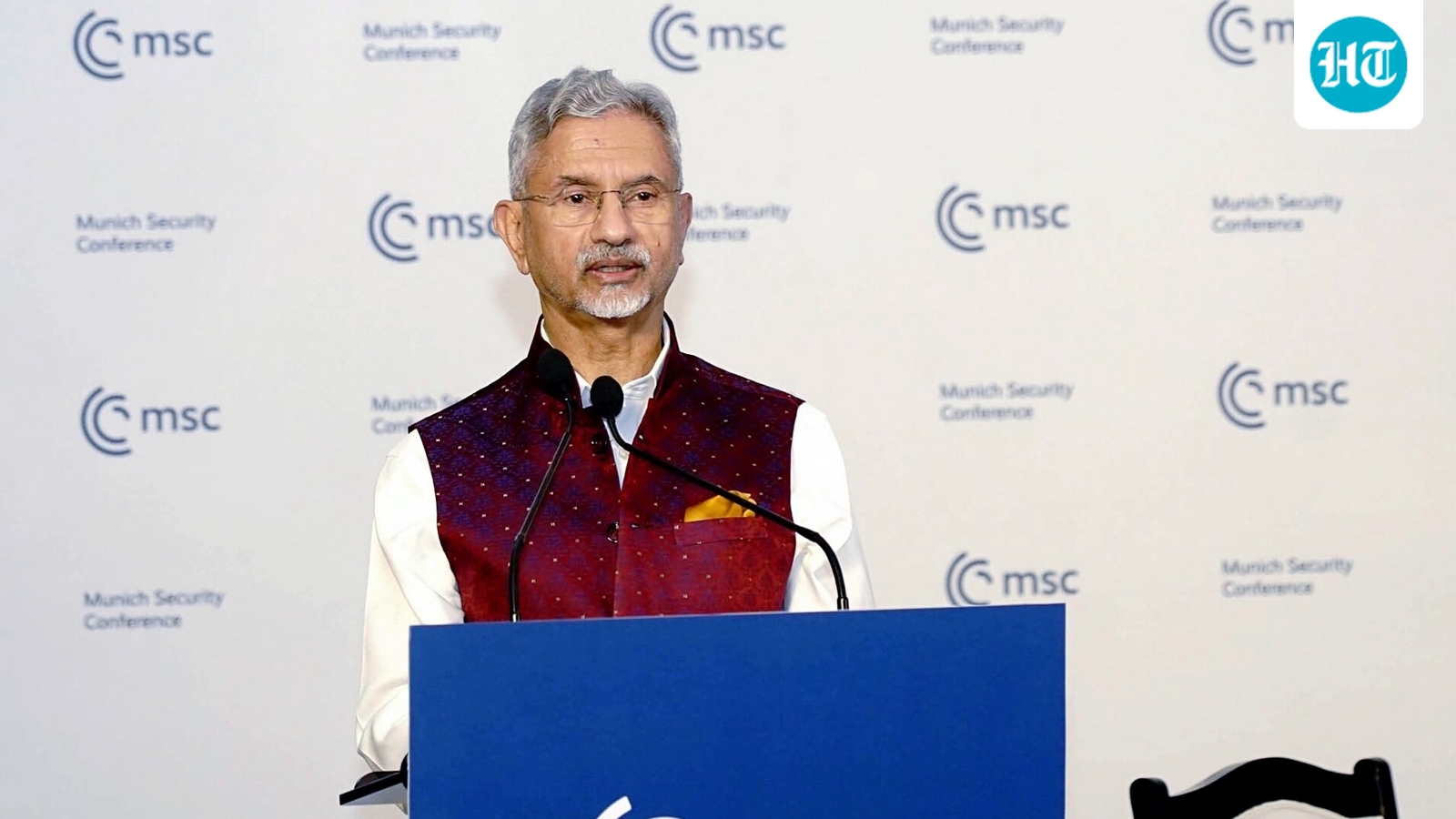
External Affairs Minister S. Jaishankar has provided a candid assessment of the rapidly changing international landscape, identifying the evolving posture of the United States and the strategic ascent of China as the two primary drivers of contemporary global geopolitics. Speaking at the Munich Leaders Meeting held in New Delhi on Sunday, the minister articulated how these shifting dynamics are forcing nations across the globe to rethink their diplomatic strategies.
A “Lonelier” Superpower and the Rise of Beijing
During his address, Jaishankar pointed to what he termed a “radical repositioning” of the United States. He suggested that Washington has moved toward a posture of choice, which has effectively led the nation to become a “lonelier power” on the world stage. This transformation in American policy, he noted, is one of the foundational elements of the current global order.
Simultaneously, the minister highlighted the rise of China, describing it as a force that views itself—and is viewed by many—as a unique and singular entity. This combination of a reorienting United States and a globally assertive China has ushered in an era of “very sharp competition.” According to Jaishankar, this rivalry has permeated multiple layers of international relations, leading to a climate where countries are increasingly resorting to the “weaponization of any leverage” at their disposal. This trend of aggressive competition exists in parallel with the complex, deep-rooted interdependence of the modern global economy.
The Strategy of Hedging and Multipolarity
As the world navigates this era of intense competition, Jaishankar emphasized that emerging and middle-ranking powers are moving toward a strategy of “hedging.” Recognizing that individual nations must maintain relationships with diverse players—even those whose interests may not always harmonize—countries are adapting by fostering multiple, sometimes overlapping, avenues of cooperation.
The minister noted that while these middle powers seek to strengthen interstate cooperation among themselves, they also find it essential to maintain functional ties with both the US and China. This pragmatic approach is evident in the formation of flexible, issue-based alliances that transcend traditional bloc politics.
Emerging Alliances and the Future of Multilateralism
Jaishankar highlighted various examples of how nations are successfully building “habits of cooperation.” He pointed to initiatives such as the Quad, the India-Middle East-Europe Economic Corridor, and the International North-South Transport Corridor as evidence of countries coming together where their specific interests align. He also underscored the success of India-led initiatives like the International Solar Alliance and the Coalition for Disaster Resilient Infrastructure as proof that non-dominant nations can effectively set agendas and develop robust organizations.
Furthermore, he cited the BRICS grouping as a platform where diverse nations feel their collective voice carries more weight than their individual efforts.
However, this shift toward multipolarity comes at a cost to traditional international institutions. Jaishankar expressed concern regarding the state of global multilateralism, noting that the primary vehicle for global diplomacy—the United Nations—remains “visibly gridlocked.”
As the world adjusts to this volatile environment, the minister’s remarks underscore a clear reality: the era of rigid power structures is giving way to a more fluid, competitive, and complex order where national interest and strategic hedging define the survival and growth of middle powers.
Disclaimer: This content is auto-generated for informational purposes only.
Source: Read Original News