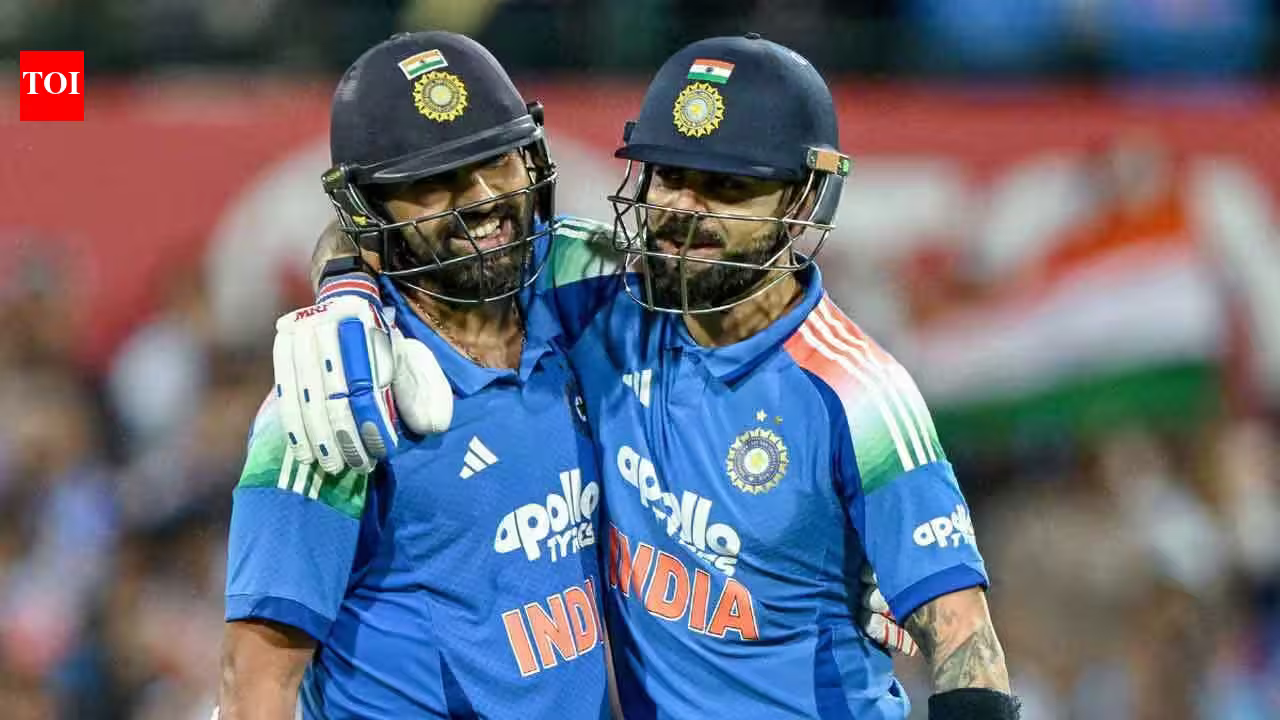





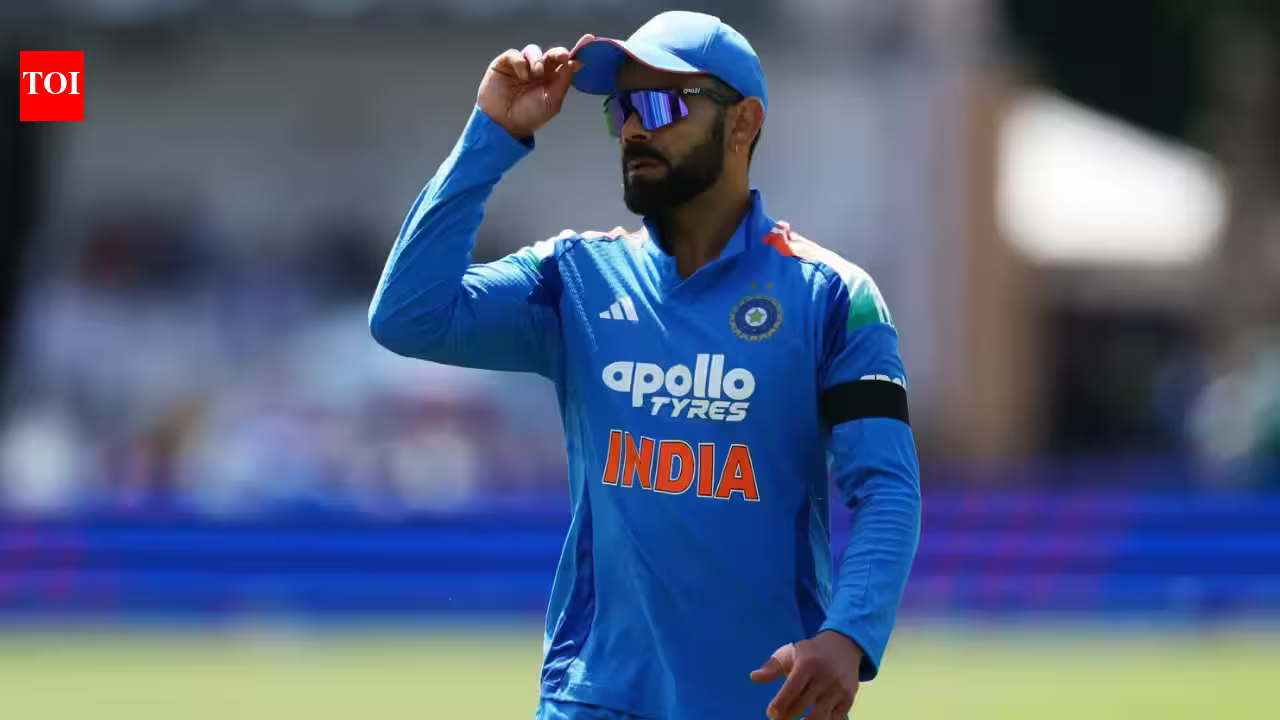

The shifting sands of Indian cricket are beginning to stir as the nation looks toward a future defined by a generational transition. As the legendary duo of Virat Kohli and Rohit Sharma chart the twilight of their illustrious careers, the search for stability in the middle order has become the primary topic of conversation among experts and selectors alike. With Kohli confirming that the 2027 ODI World Cup will serve as his swansong in the format, the search for a successor at the pivotal No. 3 position—a spot Kohli has effectively owned for the better part of fifteen years—has officially begun.
Former Indian opener and domestic stalwart Wasim Jaffer has thrown his weight behind rising star Tilak Varma, identifying the left-handed dynamo as the ideal candidate to anchor the top order once the Kohli era concludes.
The Legacy of No. 3 and the Case for Change
For over a decade, the No. 3 spot in the Indian ODI lineup has been synonymous with Virat Kohli. His mastery of tempo, elite fitness, and ability to shepherd a chase have made him the gold standard for the position. Replacing such a monumental figure is a daunting prospect that goes beyond simple statistics; it requires a temperament capable of absorbing pressure and a technical game capable of anchoring the innings from the opening powerplay through the middle overs.
Wasim Jaffer, speaking on his YouTube channel, emphasized that the transition shouldn’t just be about finding a mirror image of Kohli, but rather embracing the tactical advantage of a left-right combination. “It’s about time,” Jaffer remarked. “When Virat and Rohit leave, Rohit is obviously a top-order batter, and Yashasvi Jaiswal is waiting in the wings to replace him. But I feel there will be a left-handed batter in Virat’s place.”
Tilak Varma: Versatility as the New Currency
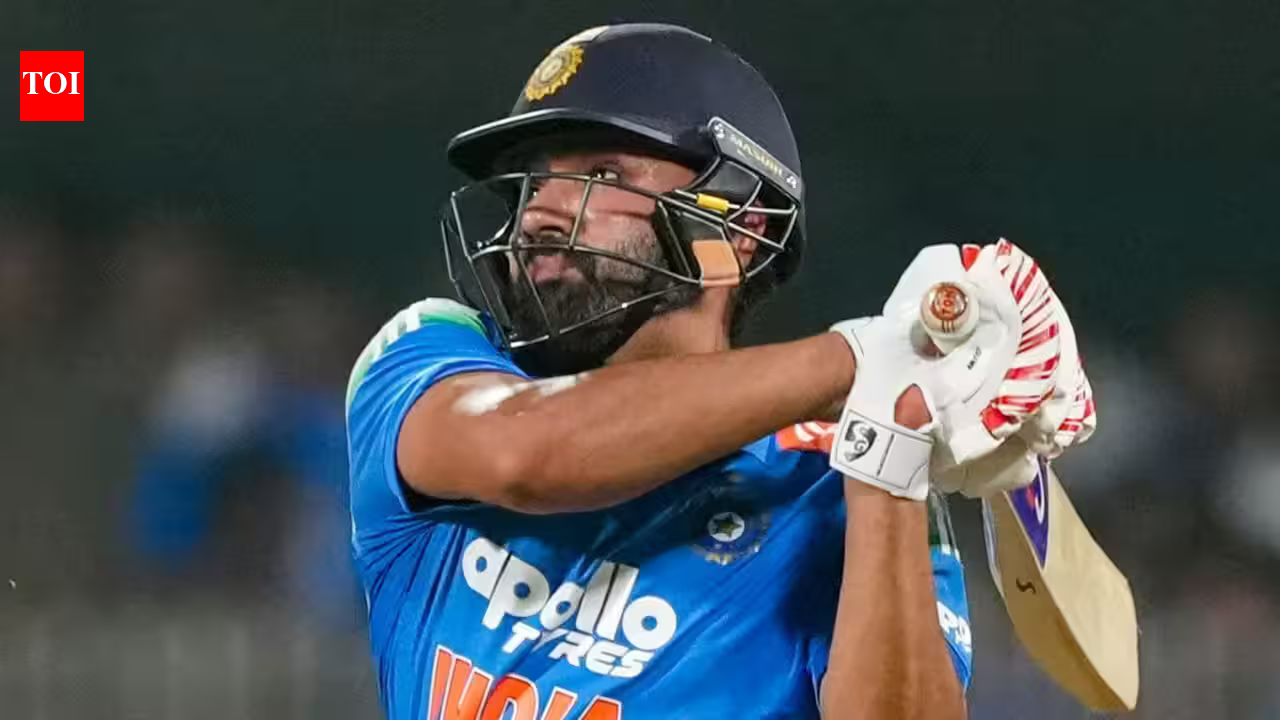
Tilak Varma has become one of the most exciting prospects in the Indian pipeline precisely because he defies the traditional constraints of a static batting position. While his international career is still in its infancy, Varma has already displayed a chameleon-like ability to shift roles depending on the requirements of the team.
“It feels great to see his versatility,” Jaffer observed. “He previously scored a century at No. 3, and now he has adapted to the No. 5 and No. 6 positions so beautifully. This is an amazing quality.”
Varma’s rise is underpinned by more than just his white-ball prowess; his red-ball credentials provide the backbone for his technical suitability at the ODI No. 3 spot. With a first-class average hovering around 55, Varma has proven that his technique is built to withstand the rigors of high-quality bowling. Jaffer pointed to Varma’s performance in the Duleep Trophy as evidence that he possesses the maturity to translate his domestic dominance into success across all three formats.
The Statistical Hurdles Ahead
While the potential is undeniable, the road to cementing a spot at No. 3 is fraught with challenges. Varma’s ODI experience remains limited, having featured in just four matches. Across these appearances, he has been shuffled through the order—batting twice at No. 3, and once each at No. 4 and No. 5. His current returns of 68 runs at an average of 22.67 are hardly indicative of his ceiling, but they do highlight the reality that Varma is still finding his feet on the international stage.
The last time Varma took to the field in ODI colors was in December 2025 during the series against South Africa. While that series was marked by a brilliant century from Ruturaj Gaikwad at No. 4, it also served as a reminder that the selection committee has options. The competition for middle-order spots in India is perhaps the most intense in the world, with a plethora of talented batters vying for a permanent berth.
The Tactical Shift: Embracing the Left-Hander
The argument for a left-hander at No. 3 is a strategic one. Historically, left-handers provide a natural disruptor to the bowling plans of the opposition, forcing captains to rethink their field placements and bowling rotations. By potentially pairing Yashasvi Jaiswal at the top with a left-handed successor to Kohli at three, India could create a top-order symmetry that causes persistent headaches for right-arm off-spinners and leg-spinners alike.
As the team prepares for the post-2027 landscape, the focus will undoubtedly shift toward giving players like Varma a longer leash. Whether he is the final answer to the “No. 3 conundrum” remains to be seen, but the backing of a cricketing mind like Jaffer carries significant weight.
Ultimately, the player who walks out to replace Kohli will have more than just an opponent to contend with; they will be tasked with honoring a legacy while forging a new identity for an Indian side that is looking to maintain its dominance in world cricket. Tilak Varma has the tools—now, it is a matter of consistency and opportunity. The path to the No. 3 spot is open, and for the young left-hander, the next two years could define the rest of his career.
Disclaimer: This content is auto-generated for informational purposes only.
Source: Read Original News