






The intersection of artificial intelligence, energy infrastructure, and regional development is reshaping the Wisconsin business landscape, according to a recent analysis by Milwaukee Business Journal editor-in-chief Tim Gibbons. In a conversation with Libby Collins, Gibbons highlighted how major tech shifts—including the massive power demands of AI—are influencing local economic trends, from massive data center utility investments to significant real estate transitions.
## The Energy Demands of the AI Boom
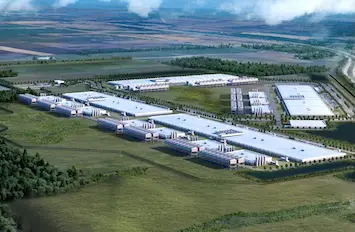
One of the most significant developments discussed is the evolving relationship between big tech and energy infrastructure. Oracle, a major player in the cloud and enterprise software space, has signaled a strategic shift toward securing its own energy future. The company recently announced plans to fund nuclear power initiatives specifically to support the massive energy requirements of its data centers.
This move underscores a broader trend in the tech industry: as generative AI and machine learning workloads surge, the traditional power grid is facing unprecedented pressure. By pivoting toward nuclear energy, companies like Oracle are attempting to solve the “energy bottleneck” that threatens the scaling of global AI infrastructure. For the local market, this signals that data centers are no longer just passive tenants of the grid; they are becoming active, often controversial, participants in regional utility planning and energy production.
## Real Estate and Corporate Evolution
Beyond the tech sector’s power needs, the regional landscape is seeing significant movement in both commercial and residential sectors. Gibbons noted the $1 billion sale of Modine, a milestone deal that underscores the robust valuation of regional manufacturing and thermal management giants. Such transactions often ripple through the local economy, signaling a shift in ownership that can lead to new capital investments and operational changes.
On the residential front, the historic St. John’s Military Academy property in Delafield is set for a major transformation. The plan to develop upscale housing on this landmark site reflects a growing trend in Wisconsin: the repurposing of large, historic institutional campuses into high-end residential communities. This development aims to meet the demand for luxury living, balancing the preservation of the area’s storied character with the modern requirements of growing suburban populations.
## Changing Demographics and Legal Hurdles
The economic diversity of the region is also expanding. The arrival of two new halal grocery stores in the area serves as a tangible indicator of shifting local demographics and changing consumer needs. These additions to the retail landscape highlight how businesses are diversifying to better serve the evolving cultural tapestry of the Milwaukee area.
However, growth often comes with institutional friction. Gibbons also addressed an ongoing lawsuit involving the Milwaukee Bucks. While legal proceedings can introduce uncertainty into sports management and municipal relationships, they are an inevitable part of the high-stakes world of professional athletics, where ownership, arena operations, and development rights frequently intersect.
As these stories develop, they illustrate a common theme: whether it is the global energy requirements of AI or the local transformation of historic military sites, Wisconsin’s business environment is currently caught in a period of intense transition. The ability of local leaders to navigate these shifts—balancing the massive infrastructure needs of tech giants with the community-level concerns of local retail and real estate development—will define the region’s economic trajectory throughout the remainder of the year. For stakeholders and residents alike, the interplay between these diverse sectors remains the most critical metric to watch in the coming months.
Disclaimer: This content is auto-generated for informational purposes only.
Source: Read Original News