






Beyond Advocacy: India Steps Up Diplomatic Push for Ukraine Settlement
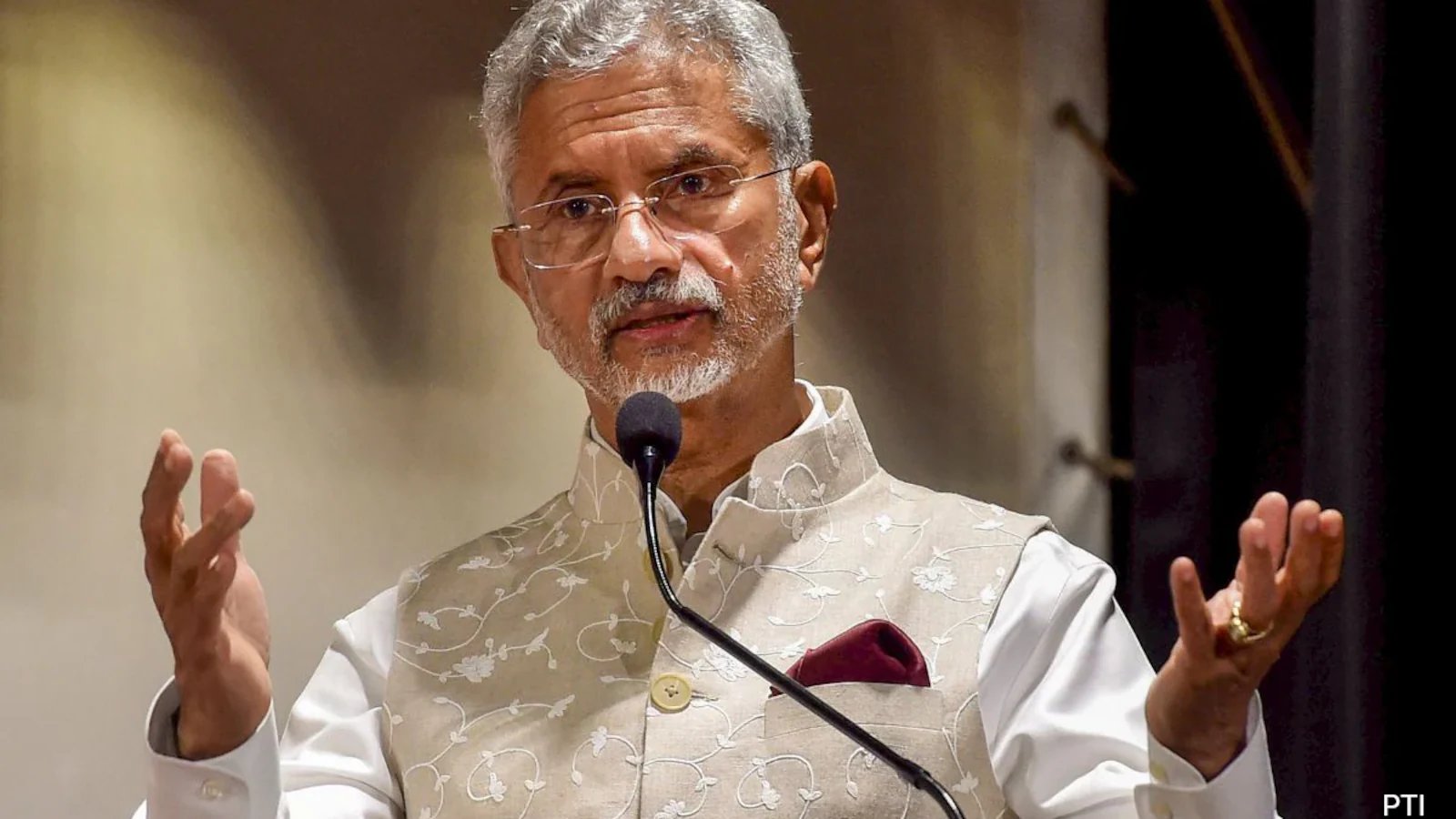
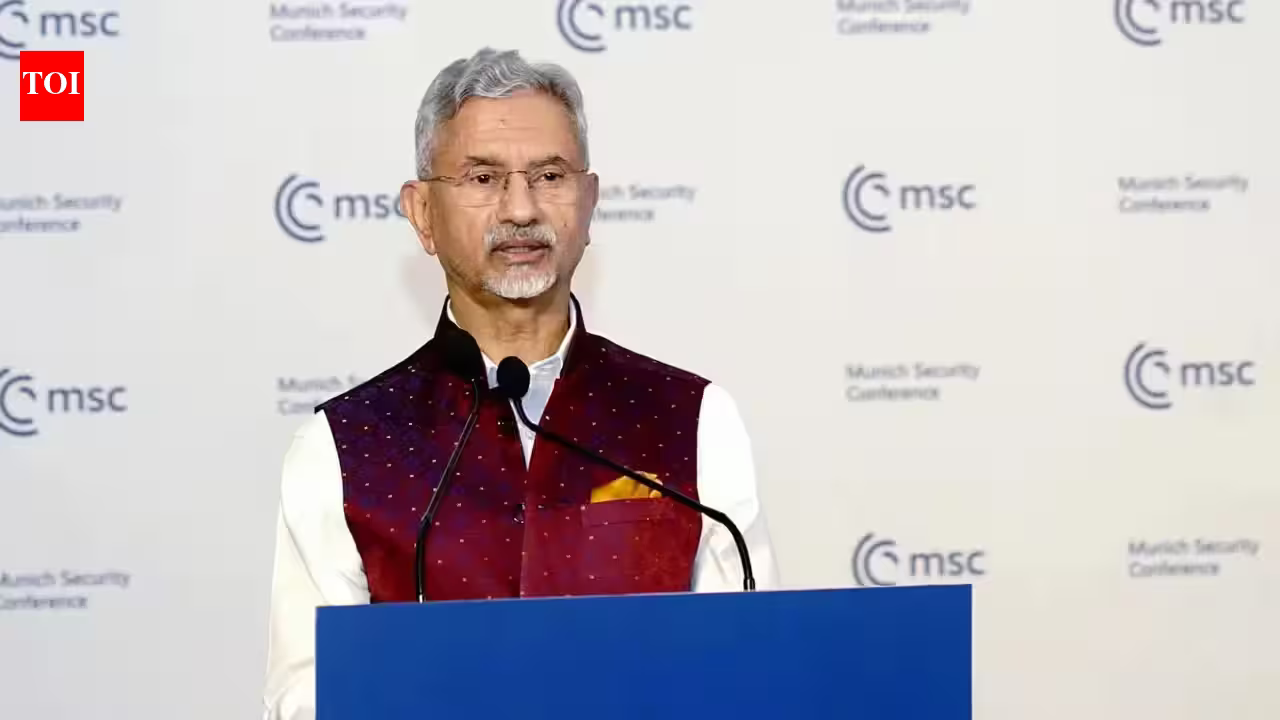
In a significant pivot in its foreign policy, India has signaled a transition from its traditional role as an advocate for dialogue to a more proactive participant in seeking a resolution to the Russia-Ukraine conflict. External Affairs Minister S. Jaishankar, speaking at the Munich Leaders Meeting, indicated that New Delhi is moving beyond merely encouraging discussions between the warring nations, aiming instead to facilitate concrete peace proposals.
This shift marks a departure from India’s long-standing diplomatic strategy, which has historically centered on bilateralism and a cautious distance from international mediation. While New Delhi previously offered general support for global peace initiatives, it is now actively engaging both Moscow and Kyiv to address specific, immediate concerns that have fueled the volatility of the ongoing war.
Addressing Critical Bottlenecks
Minister Jaishankar highlighted that India’s evolving approach is focused on resolving tangible issues that have global ramifications, specifically identifying the safety of maritime shipping in the Black Sea, grain exports, and energy security as primary areas of intervention. By focusing on these logistical and economic friction points, India hopes to establish a “non-attack” framework that could pave the way for a more comprehensive cessation of hostilities.
The urgency of this intervention is underscored by the high-level exchanges occurring behind the scenes. Following Prime Minister Narendra Modi’s recent outreach to President Vladimir Putin—where he urged an end to the “endless war”—Russian leadership has acknowledged the merit in India’s peace ideas. Similarly, Ukrainian Foreign Minister Andrii Sybiha has reportedly characterized India’s recent proposals as the most comprehensive among the various peace roadmaps currently under consideration by Kyiv, including those involving the United States.
A Legacy of Trust and Strategic Realism
The Minister’s remarks also shed light on the complex geopolitical tightrope India is walking. Addressing the rationale behind India’s sustained relationship with Russia, Jaishankar reiterated that Moscow has been a steadfast partner, particularly during periods when India’s territorial integrity faced threats. He noted that the strength of the current India-Russia dynamic is deeply rooted in this historical legacy, standing in contrast to the era when Western powers frequently aligned with Pakistan.
However, India’s push for peace is also deeply pragmatic. The conflict has exerted immense domestic pressure, with disruptions to global supply chains directly impacting Indian commercial interests. Additionally, there has been consistent diplomatic friction with the United States regarding India’s continued procurement of Russian crude oil. By leading the charge for a negotiated settlement, India is also insulating itself from the broader fallout of the geopolitical competition between Washington and Moscow.
Navigating a Changing World Order
During his address, Jaishankar provided a candid assessment of the global landscape, describing a world characterized by the “radical repositioning” of the United States. He suggested that the U.S. appears to be adopting the posture of a “lonelier power,” leading to a gradual dilution of the security and economic guarantees it once underwrote for the international system.
As the global order faces these emerging gaps, Jaishankar noted that the intense rivalry between the U.S. and China has led to the “weaponization” of leverage across various sectors. Amidst this climate of heightened competition and economic interdependence, India’s proactive diplomacy represents an attempt to provide a middle path—one that prioritizes regional stability and global economic relief over the rigid bloc-based politics that have defined the last two years of the conflict.
Disclaimer: This content is auto-generated for informational purposes only.
Source: Read Original News