






India Shifts from Advocacy to Active Engagement in Ukraine Conflict
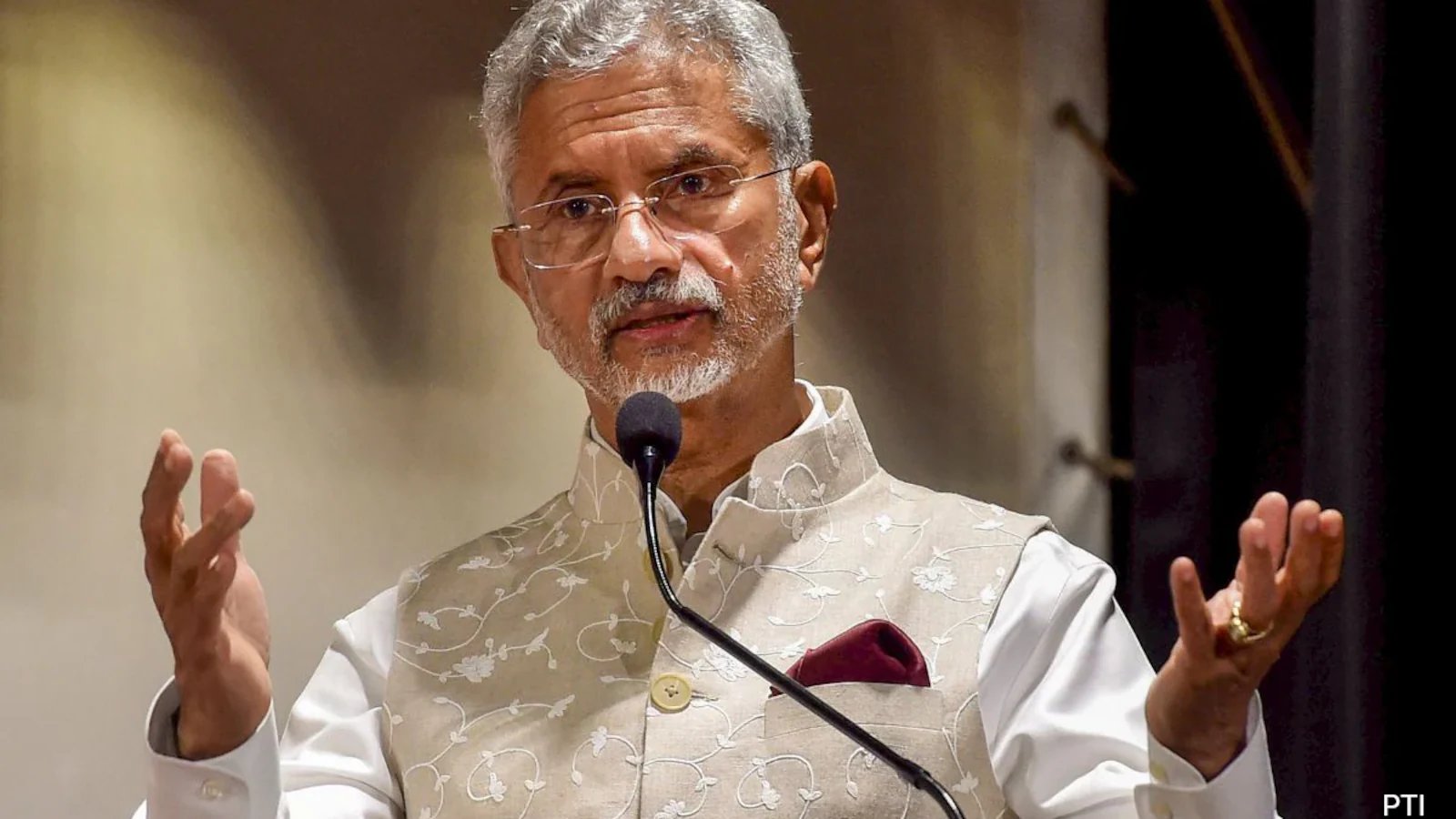
In a significant policy evolution, India has transitioned from a passive observer to an active participant in efforts to resolve the protracted Ukraine conflict. External Affairs Minister S. Jaishankar publicly acknowledged for the first time that New Delhi is now directly engaging with both Kyiv and Moscow to foster a pathway toward peace.
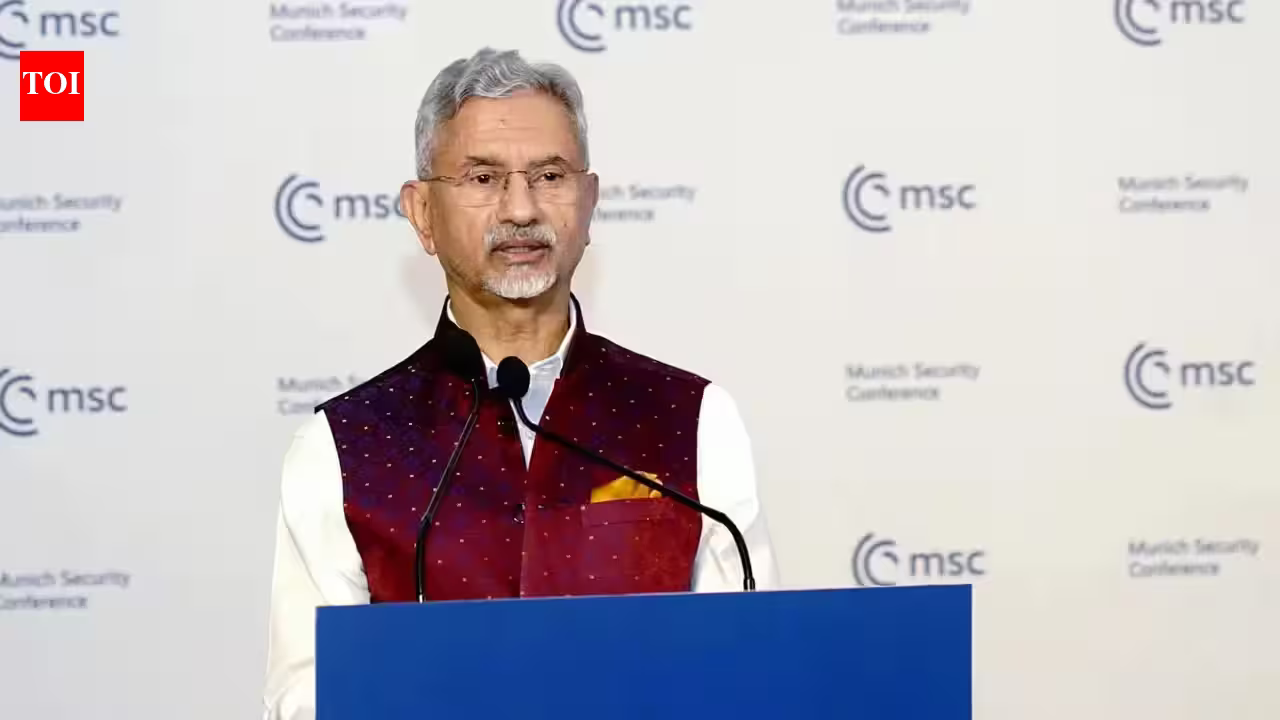
Speaking at the Munich Leaders’ Meeting held in New Delhi, the minister clarified that while India has long advocated for diplomatic solutions, recent months have seen the nation move beyond mere rhetoric to initiate concrete dialogue with the primary stakeholders.
A Multilateral Approach to De-escalation
India’s proactive role is centered on addressing critical humanitarian and economic bottlenecks caused by the war. According to Jaishankar, New Delhi is actively working to ensure the safety of maritime shipping in the Black Sea, facilitating discussions around grain exports, and navigating energy supply concerns. These efforts represent a calculated attempt to secure “non-attack” possibilities and alleviate the immediate pressures impacting global markets.
This shift in strategy comes on the heels of high-level international recognition. Russian President Vladimir Putin recently lauded Prime Minister Narendra Modi’s “good ideas” as potential building blocks for a mutually acceptable solution. Furthermore, Ukrainian Foreign Minister Andrii Sybiha confirmed that Kyiv has received ceasefire proposals from India, highlighting that New Delhi is being viewed by both sides as a credible intermediary.
Balancing Historical Ties and Modern Realities
Addressing the historical context of India-Russia relations, Jaishankar emphasized that the partnership, which has flourished since the 1950s, remains a cornerstone of India’s foreign policy. He noted that the Soviet Union historically stood by India during critical moments of national security and territorial threat. However, he clarified that the relationship has matured significantly beyond its military and space-based origins, evolving into a robust economic partnership defined by trade, investment, and energy cooperation.
Navigating the Global Geopolitical Landscape
The External Affairs Minister also provided a broader assessment of the shifting world order, specifically identifying the radical repositioning of the United States and the aggressive emergence of China as the two defining pillars of the current geopolitical climate.
Describing the U.S. as a nation that has deliberately chosen to become a “lonelier power,” Jaishankar pointed to the intense competition between Washington and Beijing as a major driver of global instability. He characterized the current international environment as a “Goldilocks scenario”—a precarious middle ground where nations must avoid excessive friction while managing complex interdependencies.
As emerging economies navigate this “weaponization” of global leverage, Jaishankar suggested that the new international architecture relies on “agenda-based cooperation.” He argued that the modern era no longer requires total ideological alignment. Instead, “a reasonable degree of convergence” and shared touchpoints are sufficient for middle powers to diversify their supply chains and de-risk their economies.
By positioning itself as a bridge-builder, India is effectively utilizing its strategic autonomy to move the needle in the Russia-Ukraine conflict, signaling that its influence on the global stage is increasingly defined by practical, results-oriented diplomacy rather than traditional political alignment.
Disclaimer: This content is auto-generated for informational purposes only.
Source: Read Original News