








India’s Strategic Role: EAM Jaishankar Highlights Growing Responsibility Amid Shifting Global Dynamics
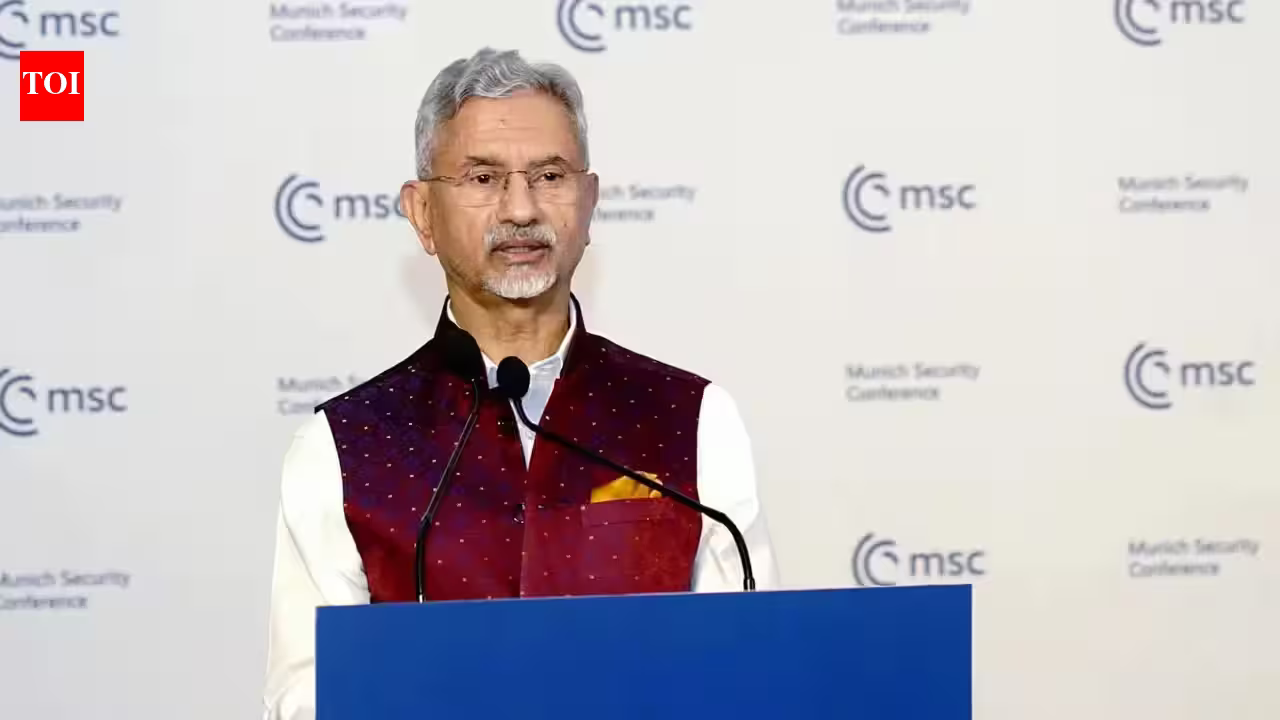
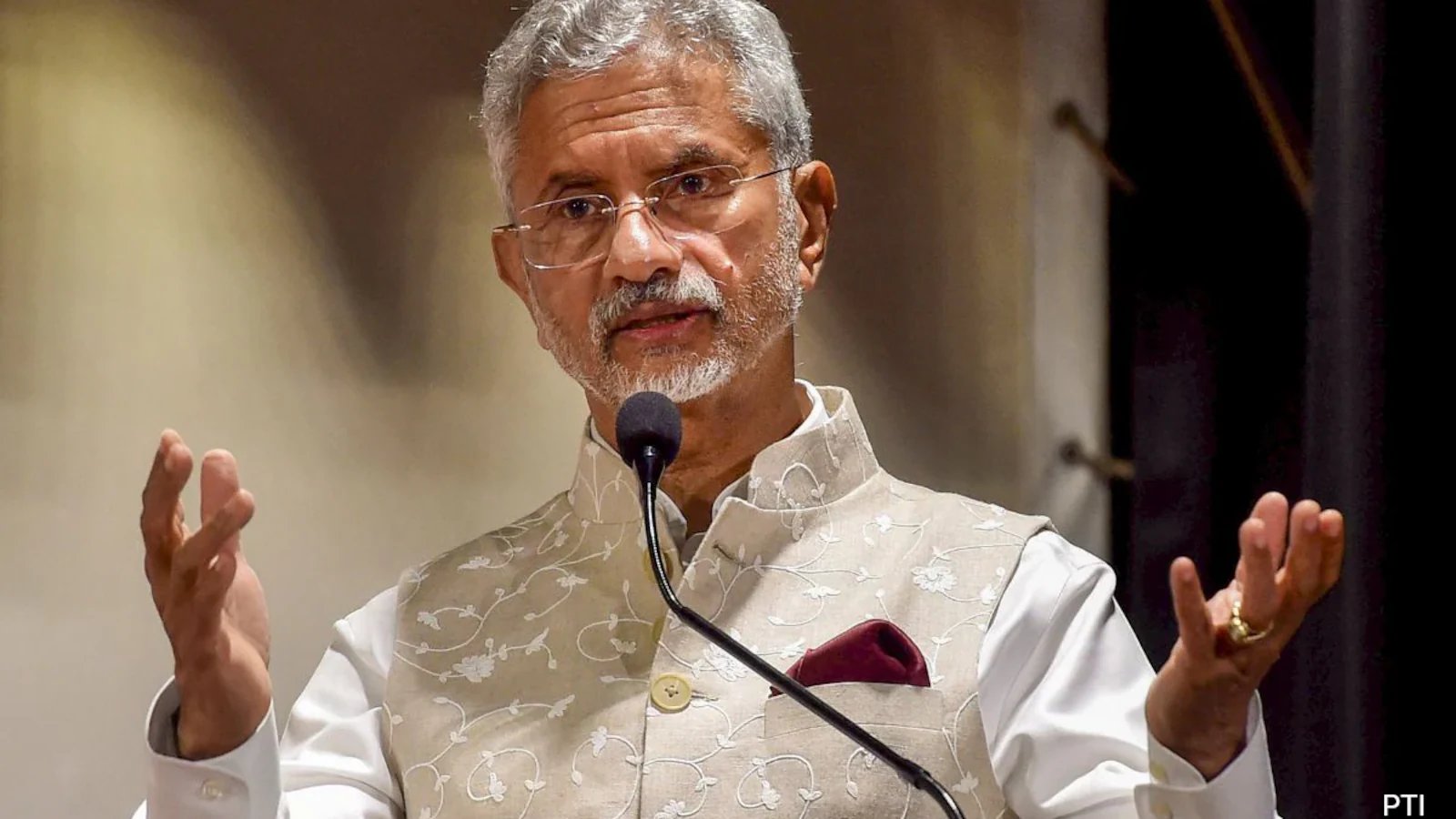
External Affairs Minister S. Jaishankar has offered a candid assessment of the evolving international order, suggesting that the United States is increasingly “diluting” its traditional role as the underwriter of the global system. Speaking on the shifting geopolitical landscape, the Minister noted that as traditional powers recalibrate their global footprints, India is stepping into the vacuum, effectively “picking up the load” in critical areas such as regional security and humanitarian disaster relief.
A Shifting Global Architecture
During recent deliberations, EAM Jaishankar emphasized that the world is witnessing a departure from the post-Cold War era where the U.S. served as the singular guarantor of global stability. According to the Minister, there is a perceptible trend of traditional Western powers showing a reluctance to carry the full burden of international policing and crisis management. This transition, he argued, necessitates a more proactive and assertive role for emerging powers like India.
“There is a sense that the underwriting of the global system, which was very visibly performed by the U.S. for many decades, is being diluted,” Jaishankar remarked. He observed that as the United States navigates its own domestic pressures and changing strategic priorities, countries in the Global South are finding that the established mechanisms of support and security are no longer as reliable as they once were.
India as a First Responder
Highlighting India’s emergence as a “first responder,” the Minister pointed to the country’s growing capability and willingness to address regional emergencies. Whether it is providing relief during natural disasters, conducting large-scale evacuations, or offering developmental aid to neighbors, India has moved beyond being a passive participant in regional affairs.
Jaishankar specifically pointed out that in the Indian Ocean region and beyond, when natural disasters strike, it is frequently Indian naval assets and disaster response teams that are the first to reach the scene. “We are picking up the load,” he noted, emphasizing that this is not merely a diplomatic choice but a strategic necessity. By positioning itself as a reliable partner, New Delhi is effectively shaping the regional security architecture, ensuring that the stability of the Indian Ocean and the surrounding littoral states does not hinge solely on the participation of distant superpowers.
Navigating a Multi-Polar Reality
The Minister’s observations come at a time when India is actively diversifying its strategic partnerships while maintaining its policy of strategic autonomy. By filling the gaps left by traditional powers, India is successfully transitioning into a “leading power” rather than just a “balancing power.” This shift is reflected in the country’s increasing presence in multilateral forums and its ability to bridge the divide between the Global North and the Global South.
However, the transition also brings significant challenges. As India takes on more responsibility, the demand on its diplomatic and military resources increases. The EAM’s remarks suggest that India is fully prepared for this reality, recognizing that the global order is undergoing a structural change that requires a more autonomous, self-reliant, and interventionist approach.
Ultimately, Jaishankar’s message is clear: the era of relying on a singular global underwriter is fading. In its place, a more fragmented, multipolar, and responsibility-heavy environment is emerging, one where India is no longer an observer but a central architect of regional stability. Through its commitment to humanitarian aid and proactive regional security, India is signaling to the world that it is both ready and willing to lead.
Disclaimer: This content is auto-generated for informational purposes only.
Source: Read Original News