









The Emergence of AI-Powered Asset Passthrough
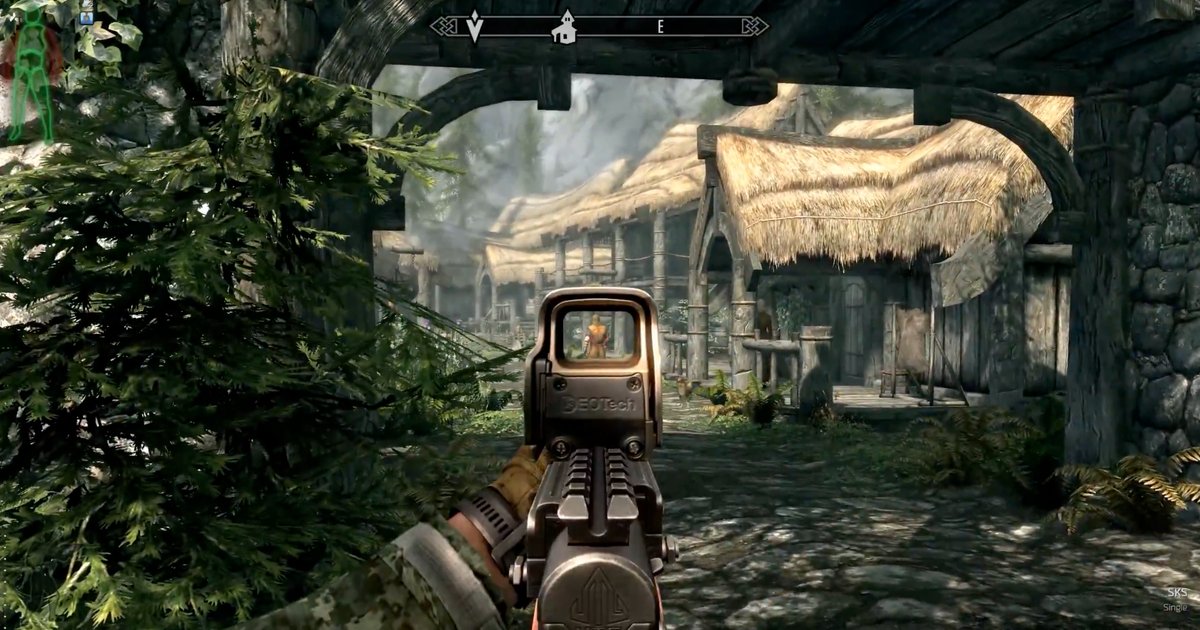
The gaming landscape is witnessing a technical shift that has ignited a firestorm within the developer community. A new generation of generative AI tools, most notably the Claude Opus 5.5 model, has enabled users to perform rapid, large-scale asset transplantation between disparate game titles. This practice, colloquially referred to by detractors as “mashup modding,” involves using advanced code generation to decompile game executables, extract assets, and force-inject them into entirely different game engines.
The phenomenon relies on the increased accessibility of low-cost, high-efficiency language models that excel at reverse-engineering proprietary game code. By pointing these models at the file structures of two different games, users can generate bridge scripts that attempt to map collision data, textures, and physics models from one environment into another. While the technical ambition is significant, the execution often results in unstable, glitch-ridden software that barely functions within the intended runtime environment.
Technical Limitations and Model Failures
Despite the excitement surrounding these tools, the technical output remains highly experimental. Performance benchmarks comparing the Claude Opus 5.5 model to OpenAI’s Astra 6 reveal substantial hurdles. When tasked with integrating complex game systems, both models demonstrate significant difficulties in handling core logic. Common failures include broken pathfinding AI—where enemies remain idle or unresponsive to player input—and desynchronized coordinate systems, leading to entities moving along incorrect axes or firing projectiles in directions inconsistent with their orientation.
Furthermore, the process of decompiling a modern, AAA game engine to extract assets involves more than just a simple script. Game engines utilize complex serialization formats for 3D models and proprietary shaders that do not easily translate to other engines. AI models currently lack the semantic understanding of these underlying architectures, leading to what many veteran modders describe as “slop”: code that is technically executable but devoid of the stability or optimization required for a coherent user experience. These mashups are often held together by fragile, AI-generated workarounds that fail to account for edge cases, resulting in frequent crashes and performance bottlenecks.
The Ethics of Automated Reverse Engineering
The controversy extends beyond the quality of the software. The core of the frustration among veteran modders lies in the methodology. Traditional modding is a labor-intensive craft that requires years of learning, manual debugging, and deep familiarity with game engines. The new wave of automated tools allows users to bypass these technical hurdles by effectively automating copyright infringement. Most of these mashup projects rely on extracting proprietary code and copyrighted assets from one title to use in another, a practice that violates the terms of service of virtually every major game publisher.
Veteran developers fear that this trend is fundamentally diluting the meaning of modding. By automating the creation process to favor viral social media clips, the community is moving away from quality-controlled, community-driven projects and toward a culture of rapid-fire, low-effort content generation. Critics argue that this behavior devalues the expertise required to create stable, high-quality modifications that enhance original gameplay rather than simply breaking it for aesthetic novelty.
Platform Restrictions and Intellectual Property
The legal landscape surrounding these developments is increasingly hostile. Major distribution platforms like Nexus Mods have established clear policies against the unauthorized use of AI-generated assets, particularly when they rely on intellectual property belonging to third-party developers. Their policies mandate that mod authors must possess explicit permission to use any assets within their work. Because these new “passthrough” mods rely on the forced extraction of proprietary assets, they are currently effectively banned from the most reputable distribution channels.
This creates a digital divide between social media virality and functional distribution. While these mods gain significant traction on platforms like X, they remain confined to individual repositories or private links, unable to reach the wider community through established, regulated channels. The fear among established modders is that if a mainstream platform were to lower its standards, the flood of low-quality, AI-generated projects would overwhelm the ecosystem, making it nearly impossible to discover genuine, high-effort modifications.
The Future of Modding and Corporate Oversight
The rise of automated mashups coincides with an increase in oversight from publishers. Rockstar Games, for instance, has recently tightened its modding guidelines, setting a precedent that other studios are likely to follow. As AI tools become more adept at decompiling and re-engineering game code, publishers have a stronger incentive to deploy aggressive digital rights management and anti-tamper technologies to protect their proprietary engines.
This potential cycle of technical escalation—where modders use AI to break open engines, and publishers use AI-driven security to lock them down—could bring an end to the open-modding era that has sustained game longevity for decades. The industry is reaching a critical inflection point: as generative AI makes the technical barriers to entry lower than ever, the demand for clear, ethical standards for community-created content has never been higher. Whether the modding community can reconcile the convenience of these new tools with the necessity of respecting property rights and maintaining software stability remains a central question for the future of interactive entertainment.
Disclaimer: This content is auto-generated for informational purposes only.
Source: Read Original News