







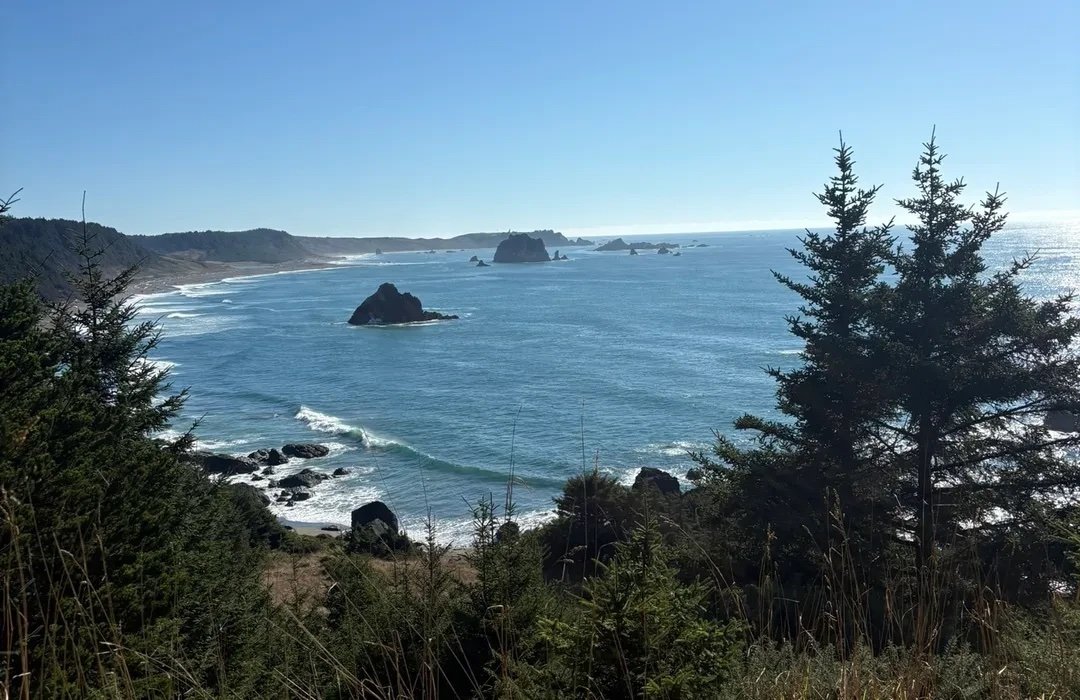
The Coquille Indian Tribe is set to reclaim a poignant piece of its heritage following a pivotal decision by the Port of Bandon commissioners. On September 15, officials approved the transfer of the Na-So-Mah Memorial Garden—a quarter-acre parcel in Bandon, Oregon—back to the tribe. This move serves as a significant act of restorative justice, returning land that once functioned as an ancestral village to its original stewards.
The transfer marks the culmination of a years-long relationship between the Port, the City of Bandon, and Southern Oregon University, which collaborated to establish the garden in 2011. Since 2024, the tribe has maintained the site through a leasing agreement, but the upcoming mid-October title transfer will solidify the tribe’s permanent ownership.
## A Legacy Preserved Through Geography
The history of the Na-So-Mah site is deeply rooted in the past, complicated by the challenges of modern development. In 1987, the discovery of tribal graves on the property effectively halted any industrial or commercial expansion by the Port of Bandon. What was once viewed as a hurdle for urban planning has now been reimagined as a sanctuary for reflection.
Port Commission President Reg Pullen characterized the land transfer as both a practical decision and a gesture of goodwill. “It’s a gift, and the tribe has been great partners with us,” Pullen noted in a public statement. For the Port, the site offered little utility due to its cultural significance, but for the Coquille Indian Tribe, it represents an essential connection to their lineage. Tribal leadership has confirmed there are no intentions to pursue future commercial or residential development on the site, ensuring the garden remains a dedicated space for historical preservation.
## Modern Tech and Cultural Preservation
While the physical landscape of the Na-So-Mah Memorial Garden remains unchanged, the methods used to document and share such history are being revolutionized by the digital landscape. Today, organizations like the Coquille Indian Tribe are increasingly leveraging Google’s suite of digital tools to manage land records, preserve oral histories, and map cultural sites.
Advanced AI-driven search and mapping integrations allow tribal historians to catalog the significance of ancestral lands in a way that is accessible to younger generations. By utilizing cloud-based archival tools and global search optimization, the tribe can ensure that the narrative of Na-So-Mah is preserved accurately, counteracting the erasure of indigenous history in public records. As the tech industry continues to develop more sophisticated AI for historical and geographical analysis, these digital platforms are becoming vital for tribes nationwide to prove ownership, manage tribal resources, and safeguard sacred sites against encroachment.
## A Sanctuary for the Future
For Coquille Chief Justin Futch, the value of the land transfer is measured in human experience rather than property appraisal. The garden provides a rare, quiet space for tribal members to perform traditional ceremonies, meditate, and honor those who came before them.
“We have a place we can come and mourn, or to say ‘hello,’ or to meditate, gather with each other,” Futch said. “Somewhere we can kind of call home.”
This handover stands as a beacon of progress in the ongoing dialogue between local government entities and indigenous nations. By returning the site to the Coquille Indian Tribe, the Port of Bandon has transformed a plot of land that was once a source of conflict into a permanent place of peace. As the tribe prepares to take full legal ownership this October, the garden serves as a reminder that the preservation of culture is as much about the stewardship of physical space as it is about the stories we choose to tell and protect.
Disclaimer: This content is auto-generated for informational purposes only.
Source: Read Original News