








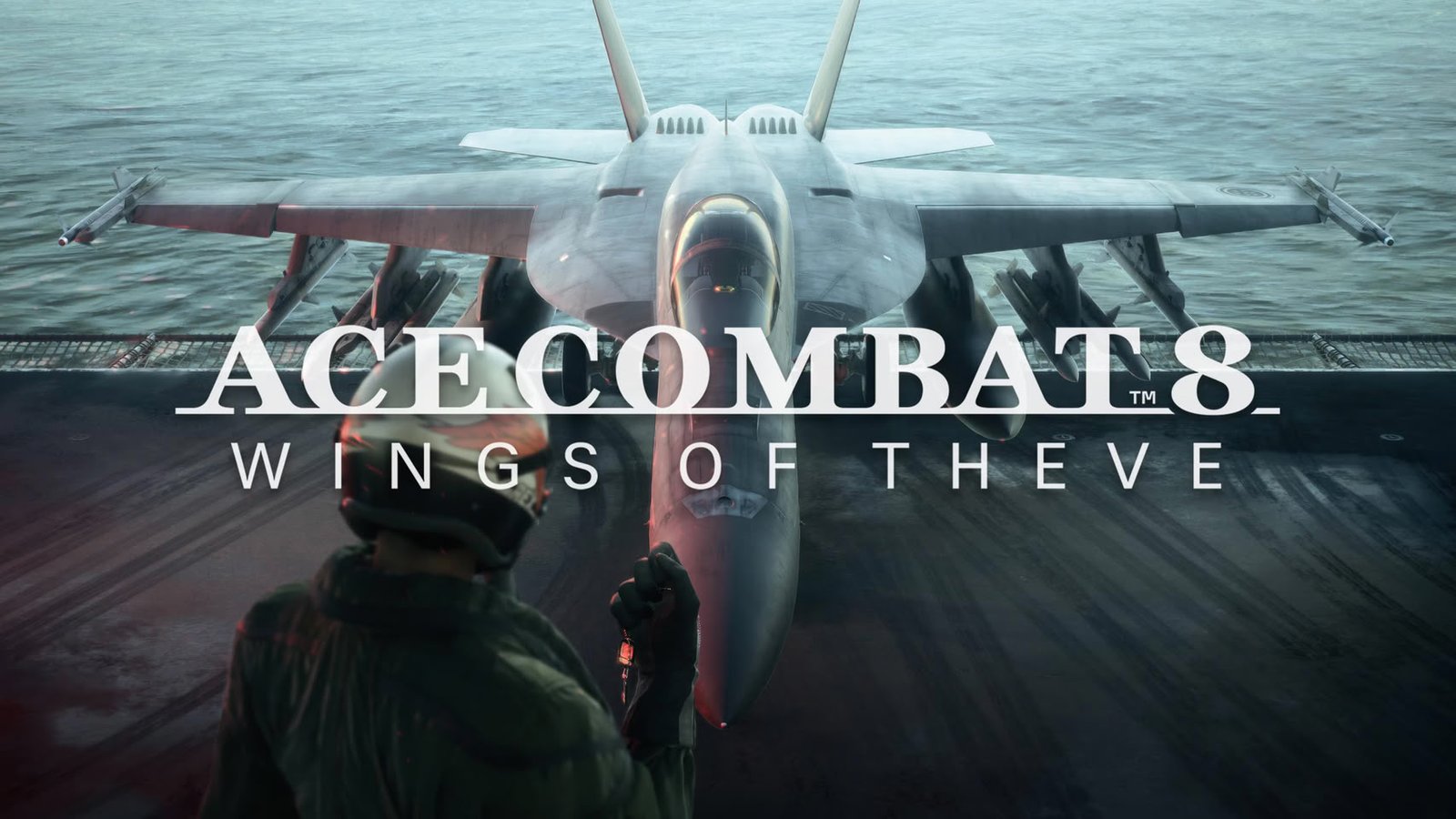
A Historic Milestone for the Ace Combat Franchise
The release of Ace Combat 8: Wings of Theve on October 2, 2024, marks a significant turning point for the long-standing flight combat series. Developed by Bandai Namco, the title has shattered historical performance metrics for the franchise on the PC platform. Data aggregated by SteamDB indicates that the game reached a peak concurrent player count of over 52,000 on its second day of availability.
To put this achievement into perspective, this figure represents an increase of nearly four times the concurrent player count of its predecessor, Ace Combat 7: Skies Unknown, which peaked at approximately 13,758 players during its 2019 launch. The performance is even more striking when compared to earlier entries like Assault Horizon, which reached a peak of only 3,795 concurrent users. Beyond raw player counts, the title ascended to the top of Steam’s global best-sellers list, demonstrating that the appetite for high-fidelity aerial combat simulations remains robust. This success is particularly noteworthy for a series that previously experienced a lengthy hiatus, having been revitalized by the studio after seven years of dormancy between mainline entries.
Technical Innovations and Core Gameplay Mechanics
Ace Combat 8: Wings of Theve introduces a suite of technical refinements designed to push the capabilities of modern gaming hardware. At its core, the game maintains the high-octane dogfighting mechanics that define the franchise while integrating advanced physics-based flight models. The developers have emphasized mission variety, incorporating complex, multi-stage objectives that require players to adapt their flight paths and tactical loadouts to changing environmental conditions.
The integration of advanced shaders and real-time volumetric lighting contributes to a more immersive atmospheric experience, especially during high-altitude maneuvers. From a design standpoint, the campaign structure has been expanded to support a wider array of aircraft configurations, allowing for deeper customization of weapon payloads. This technical depth is complemented by a revamped soundtrack, which dynamically shifts to match the intensity of the engagement, providing real-time audio feedback during critical maneuvers and target acquisitions.
Analyzing the Mixed Reception of PC Performance
Despite the commercial success, the initial user reception on the Steam platform has been characterized as “Mostly Positive,” with an approval rating hovering around 78 percent. This disparity between sales volume and user sentiment is primarily rooted in technical performance concerns. Many users have reported frame rate instability, noting that the game often fails to maintain consistent performance even on hardware that exceeds the minimum system requirements.
The complaints center on micro-stuttering and irregular frame pacing during intense combat sequences where numerous entities, such as missiles and debris, are rendered simultaneously. While the visual fidelity of the environments is frequently praised, the lack of robust optimization at launch has hindered the experience for players expecting fluid 144Hz performance. Bandai Namco has yet to issue a comprehensive statement regarding a patch schedule, but the gaming community is widely anticipating a series of updates to address these engine-level bottlenecks. Refining these performance issues is widely considered the most effective path toward improving the overall player consensus.
Complexity in Distribution and Licensing Hurdles
A unique aspect of this launch involves the distribution of the pre-order bonus, Ace Combat Zero: The Belkan War. Due to intricate licensing restrictions, this legacy content is not provided as a standalone executable. Instead, it is integrated as downloadable content (DLC) tied directly to the installation of Ace Combat 8: Wings of Theve.
This technical decision has led to confusion among the player base, as some users assumed the bonus content would function as an independent application. By tethering the legacy title to the core game’s file structure, the developers ensured that the content remains accessible under the existing license agreement for the franchise. While this effectively solves the legal challenges of re-releasing older software, it highlights the increasing difficulty of managing digital distribution in an era of complex intellectual property rights. Future updates to the game client will likely need to account for these specific dependencies to ensure that player save files and performance profiles remain stable.
Multiplayer Dynamics and Future Outlook
The multiplayer component of Ace Combat 8 has generated a polarized response. While some players appreciate the competitive environment, others have pointed to issues with latency and balancing as areas requiring further refinement. The competitive landscape in flight games is notoriously difficult to maintain, as it requires perfect synchronization between dozens of high-speed entities across distributed networks.
As the industry looks ahead, the success of Wings of Theve suggests that there is a viable path forward for niche combat simulations. With the game currently available on multiple platforms, the total reach of the title far exceeds what has been observed on Steam alone. Bandai Namco remains in a position where steady updates to the rendering engine and minor tweaks to the netcode could sustain the game’s popularity well beyond the initial launch window. If the developer manages to resolve the primary performance complaints through patches, Ace Combat 8 has the potential to cement its status as a benchmark for the genre for years to come. The current metrics indicate that the series is not only alive but thriving, despite the technical friction that often accompanies such ambitious releases in the modern gaming landscape.
Disclaimer: This content is auto-generated for informational purposes only.
Source: Read Original News