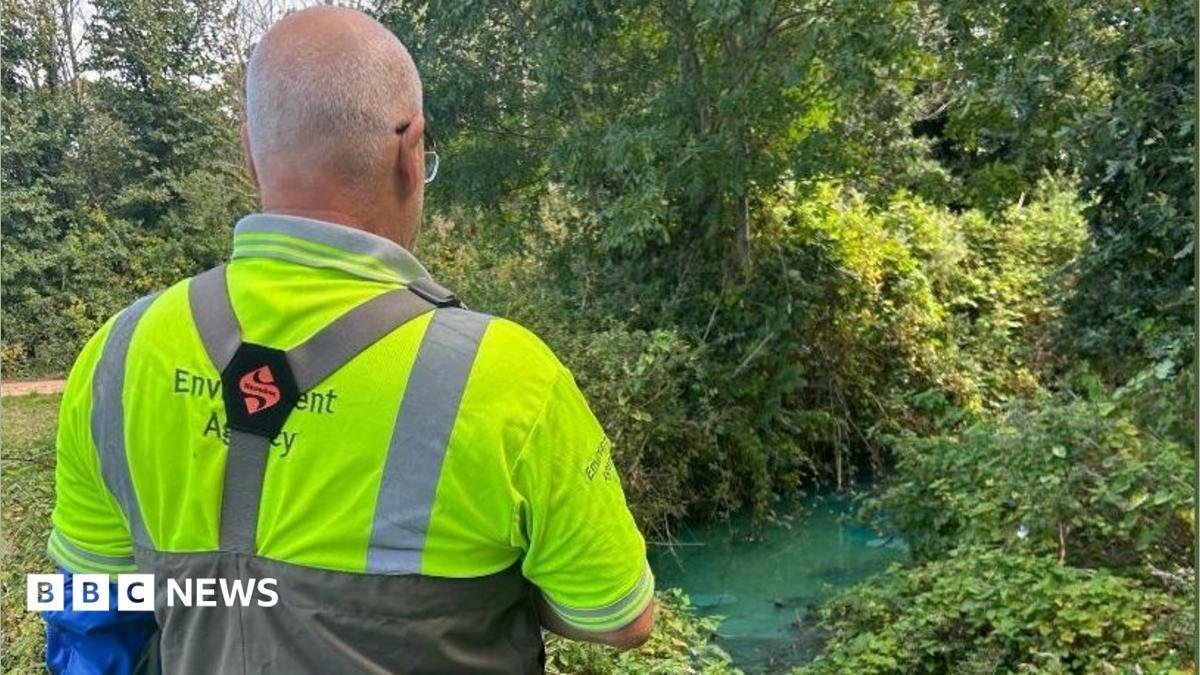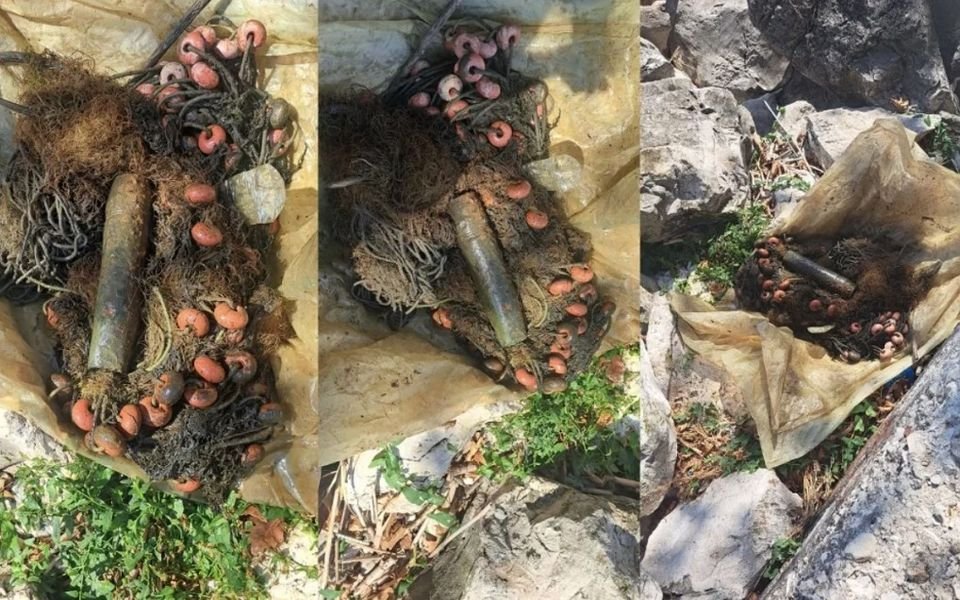








Natural environments offer a gentle form of attention that allows the mind to rest.
Watching wildlife, water flow or clouds drift by engages us without effort, helping reduce stress and restore mental energy.
These moments of quiet absorption are a key reason why time spent outdoors boosts wellbeing and creativity. This is especially important in today’s fast‑paced lifestyle.
Litter disrupts this process completely.
Unlike nature’s calming pull, litter demands the kind of urgent attention required by traffic, screens or breaking news.
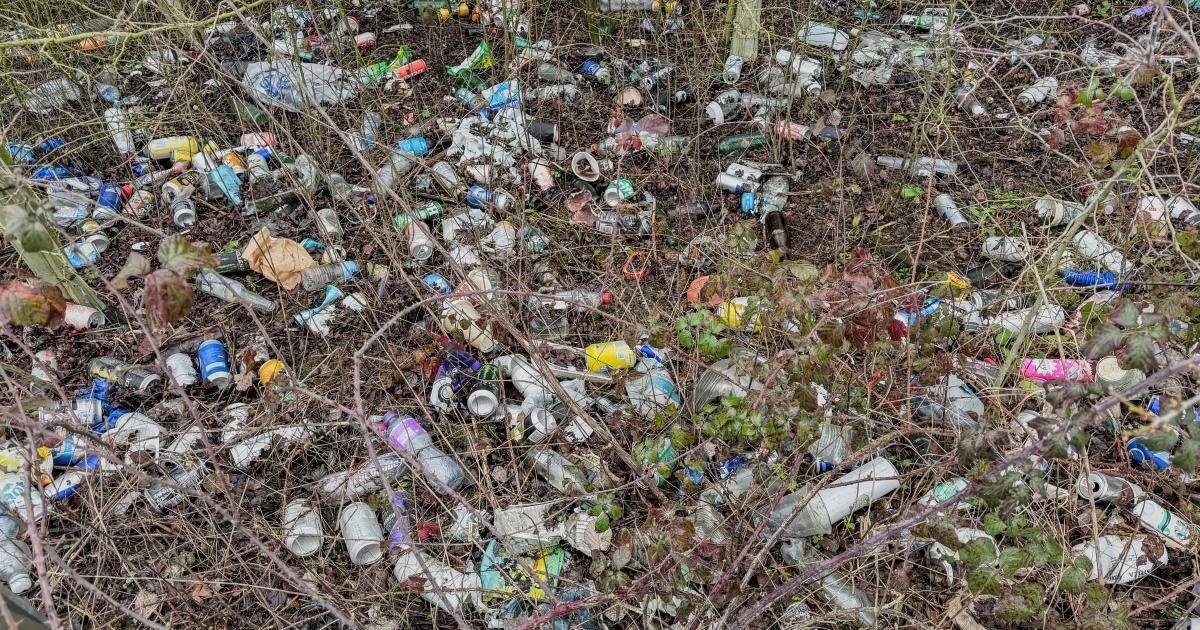
Discarded objects in natural spaces – a crisp packet in a stream or cans in long grass – provoke discomfort and disgust by instantly breaking the sense of immersion in nature.
Instead of feeling restored, we are dragged back into mental strain.
A place that once felt peaceful suddenly looks neglected, no different from the urban environment we were trying to escape.
This matters deeply in urban areas.
We are lucky in Havering to have green space nearby, yet these areas are under imminent threat from multiple proposed developments in the green belt, especially the enormous Havering Data Centre, which is like a gargantuan litter pile in my eyes.
Other proposed developments could leave an almost continuous urban sprawl all the way to Southend if we do not act now.
There is also a widespread belief that litter simply disappears. It doesn’t.
Even organic waste, such as a banana skin, can take up to two years to break down. Cigarette butts can persist for a decade.
As litter breaks down, it can leave behind toxic residues.
Plastics, food packaging and building materials break up into tiny pieces, becoming microplastics that contaminate soil and water and can leach chemicals into the environment.
These are absorbed by plants and wildlife and can ultimately enter our food. What starts as carelessness in a park or verge can affect ecosystems and our health.
Individual behaviour is important, but we live in a throwaway culture where corporate profits often take priority over community health.
When places look uncared for – overflowing bins, scattered rubbish – people are less likely to care.
Neglect breeds neglect. Beauty doesn’t stand a chance.
But care spreads too.
When people see a place looked after, they respond in kind.
Every act of care – picking something up, using a bin, joining a litter pick – creates ripples.
We may not see how far the ripples travel, but they matter.