








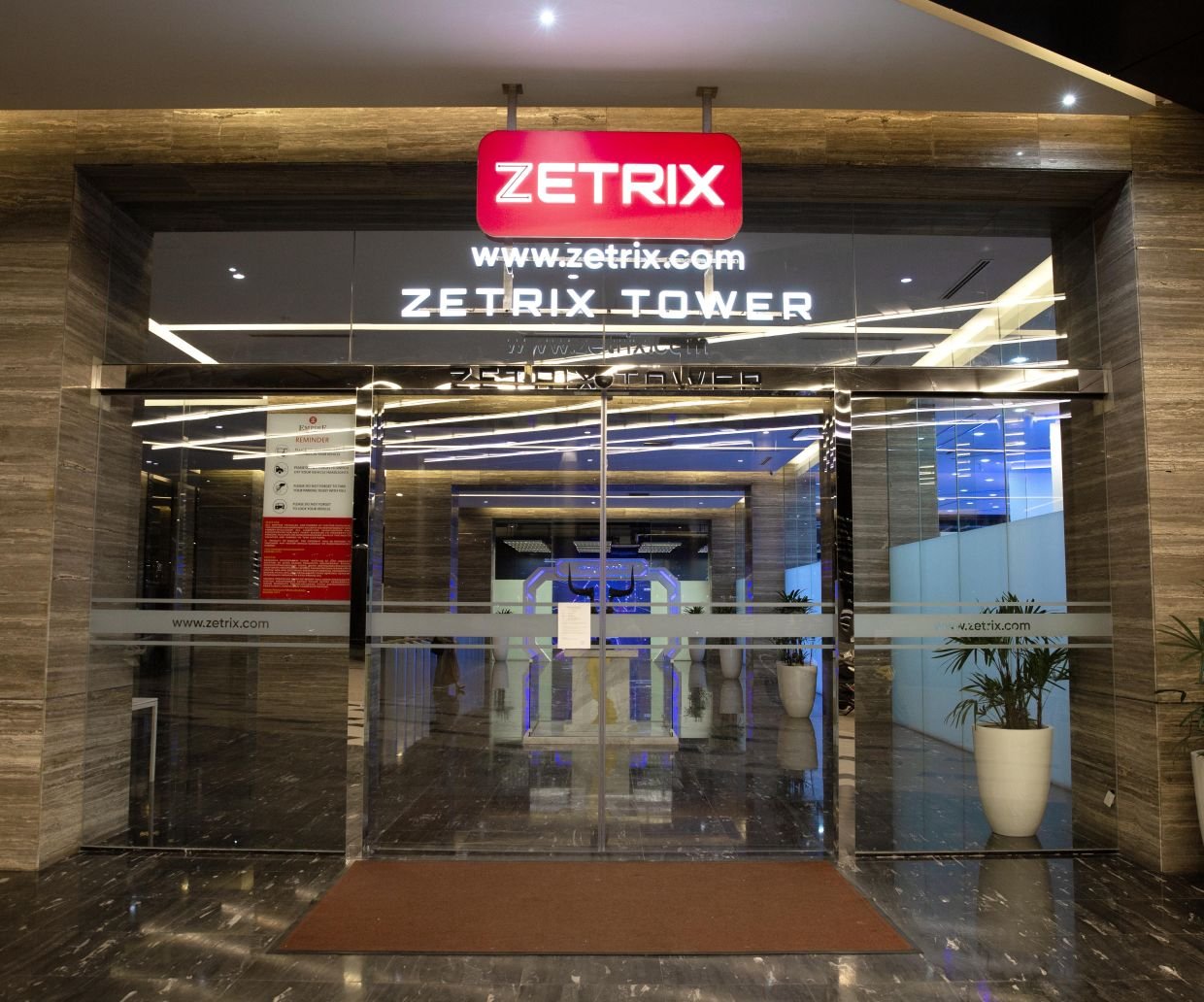
KUALA LUMPUR — Zetrix AI Bhd, the enterprise previously known as MyEG Services Bhd, has confirmed a temporary suspension of its integration services with the Malaysian Road Transport Department (RTD), effective October 5, 2026. The announcement follows a sharp regulatory notice issued by the RTD on October 2, which triggered an immediate reaction from market regulators.
In response to the developing situation, Bursa Securities implemented a brief trading halt on Zetrix AI shares between 9:00 a.m. and 10:00 a.m. on Monday. The company’s stock, which closed at 11.5 sen on the preceding Friday, has come under intense scrutiny as stakeholders assess the long-term impact of this service disruption.
Allegations of Financial Irregularities
The suspension stems from serious allegations regarding the mismanagement of public funds. According to reports, including coverage from Singapore’s The Straits Times, Zetrix AI is accused of failing to remit more than RM200 million collected on behalf of the government. These funds were gathered through the company’s digital infrastructure for the renewal of road taxes, driving licenses, and the settlement of traffic summonses.
The funds in question are linked to a three-year contractual agreement that commenced in May 2023. As a key technology partner, Zetrix AI was responsible for acting as a digital gateway, processing high-volume transactions between the public and government agencies. The failure to transfer these collections to the RTD has raised significant questions regarding the company’s internal financial controls and its compliance with government-mandated service agreements.
The Role of AI in Public Service Delivery
The controversy highlights the complex role of private sector technology firms in facilitating public sector digital transformation. Zetrix AI, which rebranded to emphasize its integration of artificial intelligence and blockchain-based architecture, was touted as a modern solution for streamlining bureaucratic hurdles. In theory, AI-driven platforms are designed to enhance security, improve transaction speed, and provide real-time reconciliation of government revenue.
However, the current crisis serves as a reminder that the implementation of advanced technology, such as automated payment gateways and AI-integrated record-keeping, does not mitigate the fundamental necessity for fiscal transparency. While tech companies provide the scaffolding for “smart” government services, the integration of these systems requires rigorous oversight. Industry analysts suggest that this incident may prompt policymakers to re-evaluate the procurement of AI-driven vendors for critical infrastructure, potentially leading to more stringent audits and a move toward decentralized, transparent ledgers that can provide government agencies with better visibility into third-party financial handovers.
Moving Forward: Resolution and Regulatory Outlook
In its official statement to the stock exchange, Zetrix AI confirmed that it is actively engaged in high-level discussions with relevant authorities to address the outstanding payments and resolve the outstanding issues. The company has promised to issue further disclosures as material developments arise.
For investors, the immediate future remains uncertain. The loss of a major contract with the RTD—a primary source of reliable, high-frequency revenue—could have a long-term impact on the company’s bottom line. Furthermore, the company faces the broader challenge of restoring confidence among both the public and its corporate partners. As the company navigates this crisis, the tech industry will be watching closely to see how effectively Zetrix AI can leverage its internal technology assets to rectify its financial position.
Until the RM200 million discrepancy is cleared, the suspension of services will likely remain in place, forcing millions of users who rely on the platform’s digital convenience to revert to traditional methods of license and road tax renewal. This event is expected to accelerate a national dialogue on the necessity of sovereign control over digital financial infrastructure and the importance of ensuring that private tech giants operating within the public sphere remain accountable to the citizens they serve.
Disclaimer: This content is auto-generated for informational purposes only.
Source: Read Original News