








The Macroeconomic Drivers Behind Aviation Fuel Volatility
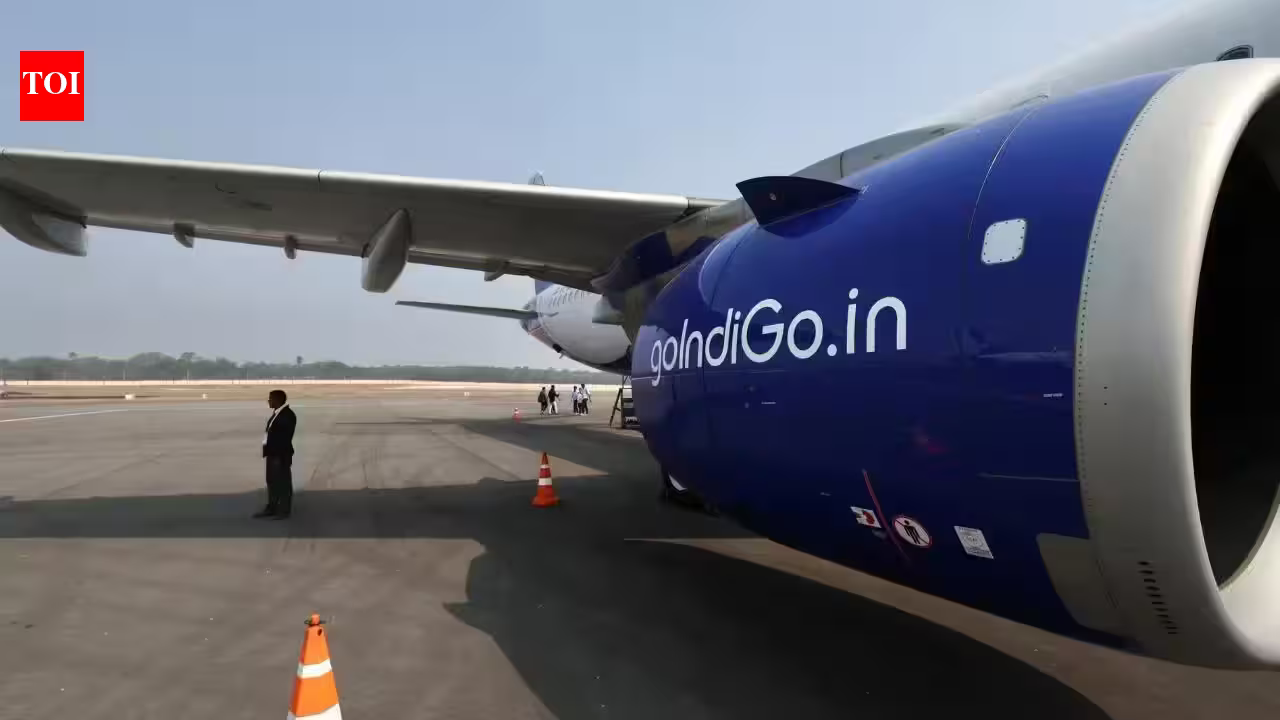
The decision by IndiGo, India’s largest airline, to increase fuel charges across its domestic and international network reflects the precarious nature of the global aviation industry. Aviation Turbine Fuel (ATF) consistently represents the largest variable expense for carriers, often accounting for 30 to 40 percent of total operating costs. When ATF prices fluctuate, airlines are frequently forced to navigate a narrow path between maintaining thin profit margins and ensuring ticket affordability for the mass-market consumer base that sustains domestic air travel in India.
The primary driver for the current price hike is the volatility in crude oil markets, exacerbated by persistent geopolitical tensions in the Middle East. As a net importer of crude oil, India is particularly susceptible to external supply shocks. A 14 percent month-on-month surge in ATF costs indicates a rapid escalation that renders initial operational budgets obsolete. Even though global oil prices remain below the historic peaks witnessed earlier in the conflict, the sustained upward pressure has forced market leaders to re-calibrate their pricing strategies to preserve fiscal health. For an airline like IndiGo, which operates a high-frequency, low-cost model, the inability to hedge completely against such rapid price spikes necessitates a direct pass-through mechanism to the passenger.
Analyzing the Structural Impact of Fuel Surcharges on Network Economics
The revised fuel charge structure implemented by IndiGo serves as a tactical lever for revenue management. By scaling charges based on flight distance—ranging from Rs 375 for short-haul journeys to Rs 1,300 for long-distance domestic segments—the airline is distributing the financial burden across its passenger base in a manner that correlates with fuel consumption. International routes, facing higher operational risks and greater fuel burn, see significantly steeper charges, reaching up to Rs 10,000.
From a network economics perspective, this recalibration is essential for maintaining the viability of specific routes. If an airline were to absorb these costs entirely, the resulting margin compression would lead to the suspension of lower-yield routes, potentially reducing connectivity within the Tier-2 and Tier-3 cities that have been central to India’s aviation growth story. The fuel surcharge is a mechanism to ensure that the total cost of operating an aircraft remains covered by the revenue generated, protecting the airline’s broader network integrity. However, this strategy carries the inherent risk of dampening demand if the cumulative cost of flying becomes prohibitive for the price-sensitive Indian middle-class traveler.
The Broader Context of Ancillary Revenue in the Indian Aviation Market
The recent hike in fuel surcharges does not exist in a vacuum. It follows a series of adjustments in ancillary services, including fees for unaccompanied minors, infant travel, and excess baggage. This trend highlights a fundamental shift in the business models of Indian carriers: the transition from an all-inclusive pricing strategy to a strictly unbundled, fee-based service model.
In the Indian context, where competitive intensity is extreme and yield pressure is constant, ancillary revenue streams have become critical for financial sustainability. While the fuel surcharge is a direct response to global commodity prices, the upward revision in service fees reflects a strategic intent to monetize specific operational demands. By increasing fees for specialized services, IndiGo is effectively insulating its base fare from rising costs while ensuring that the cost of extra services is borne exclusively by the users of those services. This approach allows the airline to remain competitive on headline pricing for standard tickets while generating necessary capital to offset the inflationary pressures on fuel and maintenance.
Navigating Consumer Sentiment and Demand Elasticity
The aviation sector in India is characterized by high price elasticity of demand. A significant percentage of travelers in the domestic market are leisure or cost-conscious corporate flyers for whom ticket pricing is the primary deciding factor. Consequently, any increase in fuel charges carries the risk of a volume drop, particularly on routes with strong alternative connectivity via the extensive Indian railway network.
Airline management must balance the requirement for cost recovery with the need to maintain load factors. If the cost of air travel escalates too rapidly, the airline may witness a shift in passenger behavior, with potential travelers opting for premium train classes or deferring travel plans. The challenge for IndiGo lies in communicating these changes as unavoidable reflections of global geopolitical volatility rather than arbitrary price hikes. By maintaining a transparent structure where the fuel charge is clearly delineated from the base fare, the airline attempts to manage customer expectations and minimize the negative impact on brand perception during periods of high price volatility.
Strategic Outlook for Indian Carriers Amid Global Uncertainty
Looking ahead, the Indian aviation sector is expected to remain under pressure from external macroeconomic factors. With global supply chains still adjusting to the repercussions of Middle Eastern conflicts, the stability of ATF prices remains elusive. For IndiGo and its competitors, the focus must shift toward long-term efficiency measures. This includes the accelerated induction of fuel-efficient aircraft, such as the Neo-series engines, which offer lower fuel consumption per seat, thereby providing a partial buffer against rising fuel costs.
Furthermore, the industry is likely to witness more sophisticated yield management practices. Airlines will increasingly rely on data analytics to determine the optimal balance between seat capacity and ticket pricing in response to fuel price trends. As the Indian government continues to invest in airport infrastructure and regional connectivity schemes, the market potential remains vast. However, the ability of carriers to maintain financial stability will depend on their agility in managing the cost of fuel without alienating the growing base of first-time flyers. In the current environment, the fuel surcharge is merely a short-term correction; the long-term success of the sector will be dictated by operational efficiency, scale, and the ability to navigate the complex intersection of global energy markets and domestic price sensitivities.
Disclaimer: This content is auto-generated for informational purposes only.
Source: Read Original News