






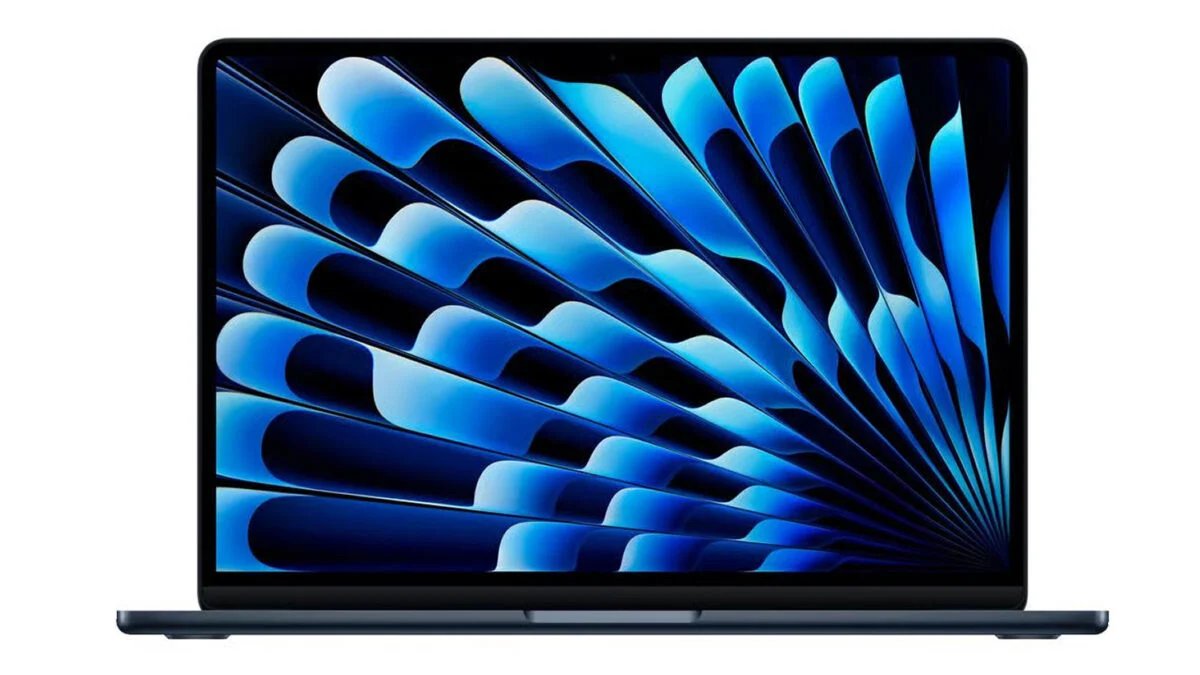
The Arrival of the M5 Architecture in the MacBook Air
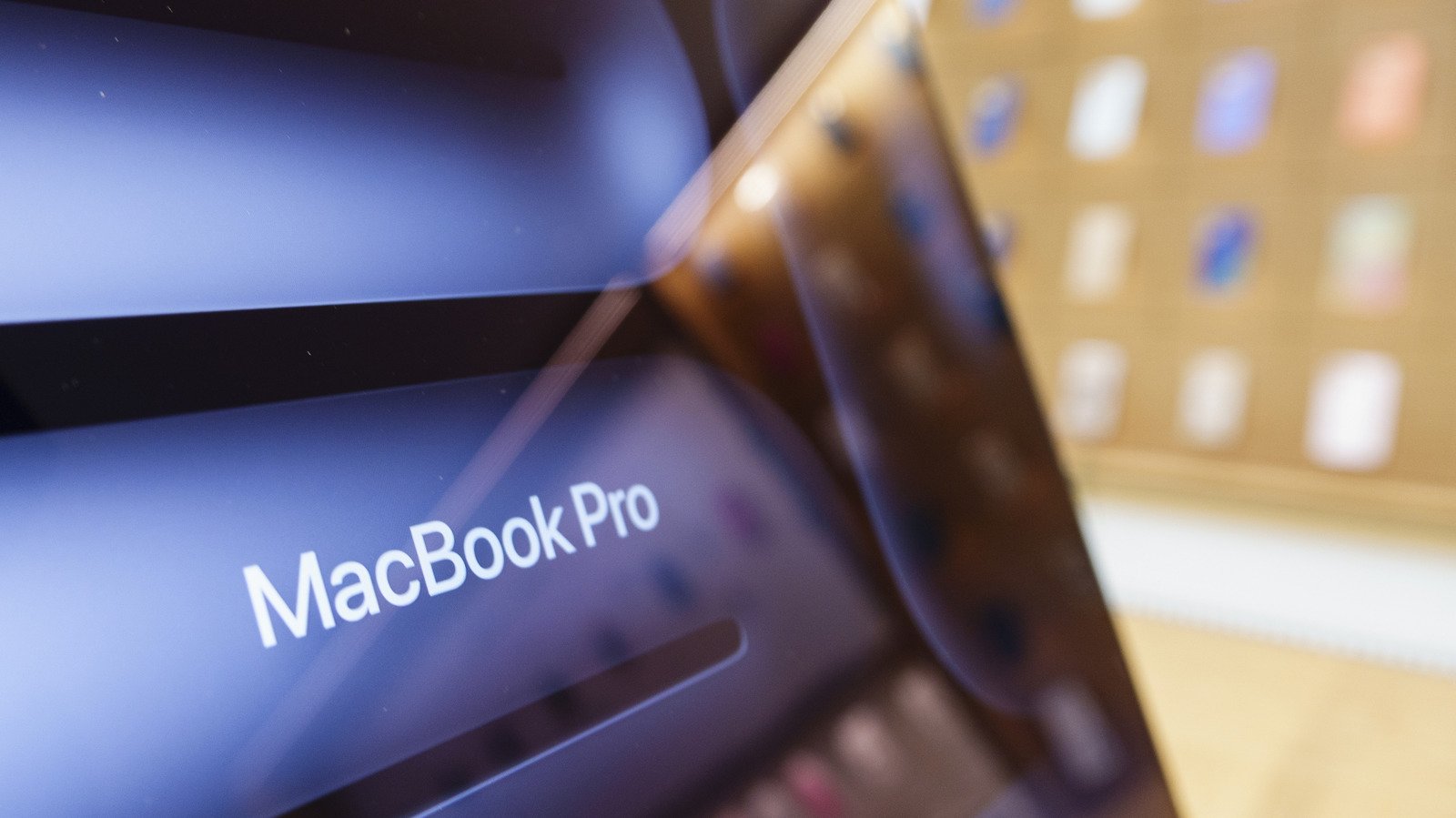
The semiconductor landscape continues to evolve with the release of Apple’s M5 chip, now finding its place within the ultra-portable 13-inch MacBook Air chassis. This hardware refresh represents more than a minor iteration; it signifies a focused effort to integrate high-performance machine learning capabilities into the company’s most consumer-friendly notebook. The M5 architecture introduces refinements to both CPU and GPU throughput, but the primary highlight is the upgraded Neural Engine. This dedicated hardware component is purpose-built to accelerate on-device artificial intelligence workloads, providing the compute power necessary for system-level tools such as Apple Intelligence.
By prioritizing local processing, the M5 chip allows users to utilize advanced productivity and text-generation tools while maintaining a strict privacy posture. Because the data processing occurs within the hardware environment of the device itself, sensitive documents and personal communications remain localized rather than being transmitted to cloud servers. For power users, the inclusion of 16GB of unified memory is a critical upgrade. This memory configuration allows for simultaneous multi-tasking, such as rendering media, conducting high-definition video conferences, and maintaining extensive browser sessions without the latency associated with memory swapping.
Efficiency and Power Management
A defining characteristic of the modern MacBook Air remains its remarkable power efficiency. Apple specifies that the M5-equipped 13-inch model is capable of reaching up to 18 hours of battery life on a single charge. While real-world performance fluctuates based on thermal load and background processes, this efficiency enables users to operate through full-day scenarios—such as academic schedules or international travel—without the need for an external power brick.
This longevity is facilitated by the integration of the processor and memory onto a single system-on-a-chip, which minimizes energy waste during data transfer. The system is designed to handle common tasks with minimal power draw, scaling up only when intensive applications are active. For the professional or student, this removes the persistent requirement of proximity to a wall outlet, effectively changing the physical constraints of portable computing.
Display, Imaging, and Audio Integration
The 13.6-inch Liquid Retina display remains a focal point of the user experience, offering support for a wide color gamut that renders over a billion colors. The pixel density ensures that text remains crisp, reducing eye fatigue during prolonged reading sessions. This visual fidelity is complemented by an updated 12MP camera system, which incorporates Center Stage technology. By utilizing machine learning, the camera automatically adjusts the framing to keep the user centered, even if they move within the workspace.
Additionally, the device includes a Desk View mode, which uses a clever perspective correction algorithm to project an overhead view of a desk surface onto a video call. This feature is particularly useful for demonstrations or collaborative work. On the audio front, the laptop houses a four-speaker array that supports Spatial Audio and Dolby Atmos, providing a broad soundstage that is uncommon in such a thin chassis. The accompanying three-microphone array uses directional beamforming to prioritize the user’s voice while suppressing background noise.
Connectivity and Modern Wireless Standards
While the portability of the MacBook Air is its greatest strength, its connectivity suite remains minimalist. The physical interface includes two Thunderbolt 4 ports, a dedicated MagSafe 3 charging port—which preserves the utility of the Thunderbolt ports during power delivery—and a 3.5mm headphone jack. Users who rely on legacy peripherals, such as HDMI displays or SD memory cards, will need to utilize external adapters.
However, the machine makes significant strides in wireless connectivity with the inclusion of the N1 wireless chip. This brings support for Wi-Fi 7 and Bluetooth 6 to the MacBook Air, positioning the laptop at the forefront of modern networking standards. Wi-Fi 7 offers reduced latency and increased throughput, provided the user has a compatible router, making it ideal for cloud-heavy workflows and high-speed data transfers. The system also supports the simultaneous connection of two external displays, an improvement that expands the utility of the laptop for desktop-style workstations.
Market Availability and Pricing Shifts
Retailers such as Amazon have recently adjusted pricing for the M5 MacBook Air lineup, offering a notable reduction for consumers. The base configuration, featuring the M5 processor, 16GB of unified memory, and a 512GB solid-state drive, has seen a price correction from the standard MSRP of $1,299 down to $1,099. This 15% reduction is available to all shoppers, regardless of their subscription status with the retailer.
For those requiring additional storage, further price tiers are available. The 1TB capacity model, paired with 16GB of memory, has been reduced to $1,399, while the top-tier version—which pairs 1TB of storage with 24GB of unified memory—is now priced at $1,599. These shifts represent a significant move for consumers seeking current-generation hardware at a more accessible entry point. By lowering the financial barrier to entry for a 16GB memory configuration, these retail adjustments allow a broader segment of the market to access the performance benefits of the M5 architecture and the longevity of the latest wireless and display technologies.
Disclaimer: This content is auto-generated for informational purposes only.
Source: Read Original News