




The Evolving Landscape of India-US Trade Relations
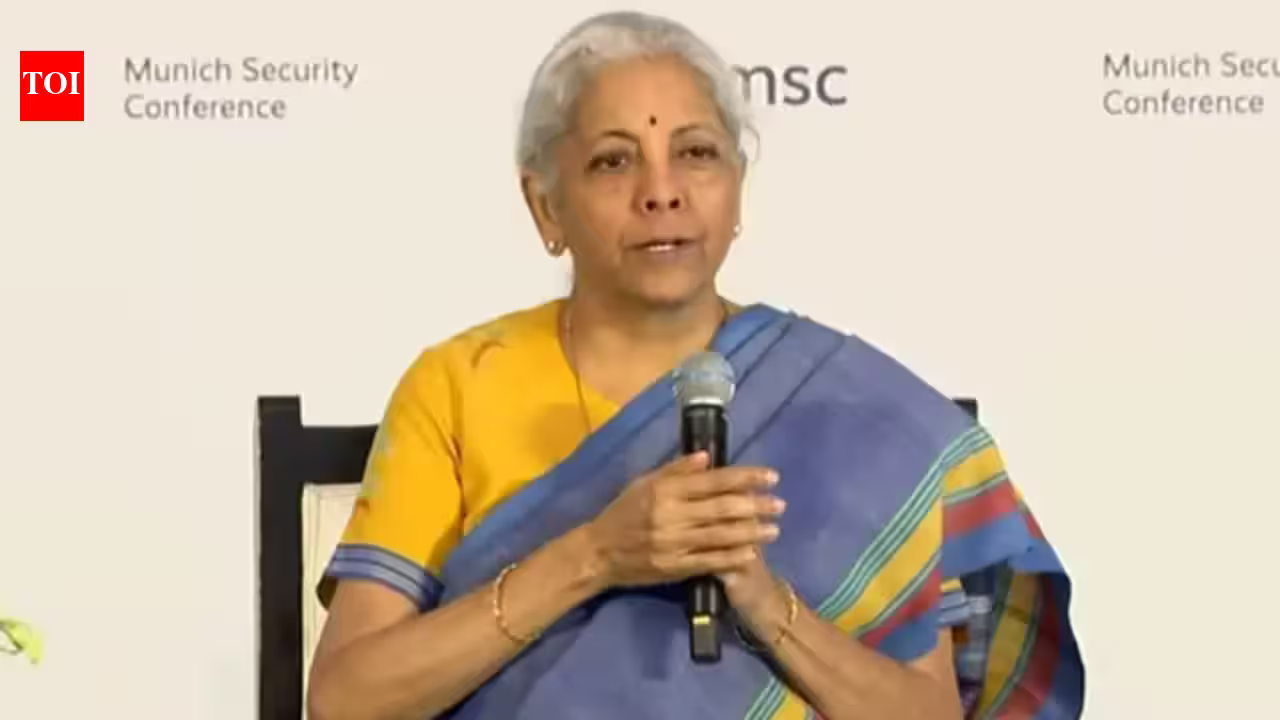
The recent assessment provided by Finance Minister Nirmala Sitharaman regarding the status of trade negotiations between India and the United States highlights a critical juncture in bilateral economic diplomacy. Describing the current state of discussions as a “plateau,” the Finance Minister underscored the diminishing returns of traditional bargaining tactics. This characterization suggests that both nations have reached a point where the fundamental economic interests—often conflicting—have been laid bare, making further concessions exceptionally complex to secure without impacting sensitive domestic sectors.
For years, the India-US trade dynamic has been defined by a significant trade surplus in favor of India. From the perspective of Washington, this imbalance serves as a persistent point of friction, leading to demands for market access and the reduction of tariff barriers. Conversely, India maintains that its domestic industries, particularly those centered on labor-intensive manufacturing and small-scale enterprises, require a measured approach to market liberalization. As both sides grapple with these competing mandates, the realization that they have reached a plateau signifies that the “low-hanging fruit” of trade cooperation has likely been harvested, leaving only the most contentious issues on the table.
Strategic Autonomy in an Era of Bilateralism
A defining characteristic of contemporary Indian economic policy is the firm commitment to strategic autonomy. As global supply chains undergo realignment, India has focused on diversifying its partnerships rather than tethering its economic security to a single bloc. This policy is particularly visible in India’s engagement with both Western economies and traditional partners like Russia. When questioned on the intersection of trade agreements and geopolitical choices, the government has signaled that it will not compromise its core national interests to satisfy the expectations of trade partners.
The shift toward bilateralism is not unique to India; it reflects a global trend where multilateral institutions are struggling to maintain their relevance. As the World Trade Organization (WTO) framework faces challenges in facilitating consensus among a diverse group of nations, individual countries are increasingly turning to bilateral agreements to secure specific economic advantages. For India, this strategy allows for bespoke arrangements that address unique sectoral needs while retaining the flexibility to navigate shifting international geopolitical realities.
Balancing Market Access and Domestic Protection
The negotiation process, as described by the Finance Minister, has moved beyond simple tariff adjustments. While tariffs were once the primary lever of diplomatic pressure, the modern trade dialogue is increasingly focused on systemic reforms, regulatory coherence, and the protection of domestic industry. This is highly relevant in the Indian context, where the government is deeply invested in the success of the Micro, Small, and Medium Enterprises (MSME) sector.
The strategy regarding the ongoing India-EU trade negotiations serves as a template for this approach. By opening a substantial portion of tariff lines while maintaining protections for sensitive areas, India is attempting to balance the benefits of integration into global value chains with the necessity of shielding its employment-heavy industries. With 92.5 percent of tariff lines opened in the potential India-EU pact, the government is signaling a willingness to integrate, provided that the terms support long-term employment generation in sectors such as textiles, footwear, and processed foods. The challenge remains in convincing domestic stakeholders that the benefits of international competition outweigh the risks of market entry for foreign counterparts.
The Decline of Multilateralism and the Rise of Niche Partnerships
The weakening of multilateral trade architecture has forced a recalibration of how emerging economies manage their global standing. Finance Minister Sitharaman’s observation that multilateralism is not disappearing but is becoming less effective is a sentiment shared by many policy experts. In this environment, the strength of a nation’s economy is increasingly measured by the quality and density of its bilateral ties.
India’s proactive outreach to form targeted, sector-specific agreements represents a move away from the “one-size-fits-all” model of trade. This nuanced approach acknowledges that the global economy is no longer a monolith. Instead, it is a complex web of interconnected, and often competing, interests. By pursuing agreements that emphasize technological cooperation, energy security, and digital trade, India is attempting to position itself as a key node in the new global economic order. The move toward these newer, more agile partnerships is not merely a tactical maneuver but a strategic pivot to ensure that the country remains a competitive destination for investment in a post-globalization landscape.
Future Outlook for Global Trade Cooperation
Looking ahead, the friction observed in the India-US trade talks serves as a microcosm of the broader difficulties in international commerce. As nations prioritize domestic economic stability and sovereignty, the scope for broad, comprehensive trade deals is likely to narrow. For India, the path forward involves a delicate balancing act: maintaining open channels of communication with major partners while ensuring that trade concessions do not undermine the government’s efforts to bolster domestic manufacturing and industrial self-reliance.
The “plateau” in negotiations should not necessarily be viewed as a failure, but rather as an acknowledgment of the current limitations of diplomatic bargaining. The future of trade relations between major economies will likely be characterized by intermittent progress punctuated by long periods of negotiation. This necessitates a move toward more flexible, iterative agreements where the goals are clearly defined and centered on specific sectors of high mutual benefit. As India continues to integrate into the global market, its ability to navigate these complex negotiations while maintaining its strategic autonomy will determine its success in achieving the goal of becoming a leading global economic power.
In conclusion, the current state of India-US trade discussions reflects the broader maturity of India’s economic diplomacy. While the plateau presents immediate challenges, it also creates an opportunity for policymakers to re-evaluate what is truly essential in bilateral agreements. By focusing on sustainable growth, job creation in the MSME sector, and the maintenance of strategic independence, India is carving out a role that balances its domestic requirements with the realities of an increasingly fractured global trading system. The focus for the coming years will remain on securing high-quality, mutually beneficial partnerships that respect the evolving priorities of both the Indian government and its global counterparts.
Disclaimer: This content is auto-generated for informational purposes only.
Source: Read Original News