







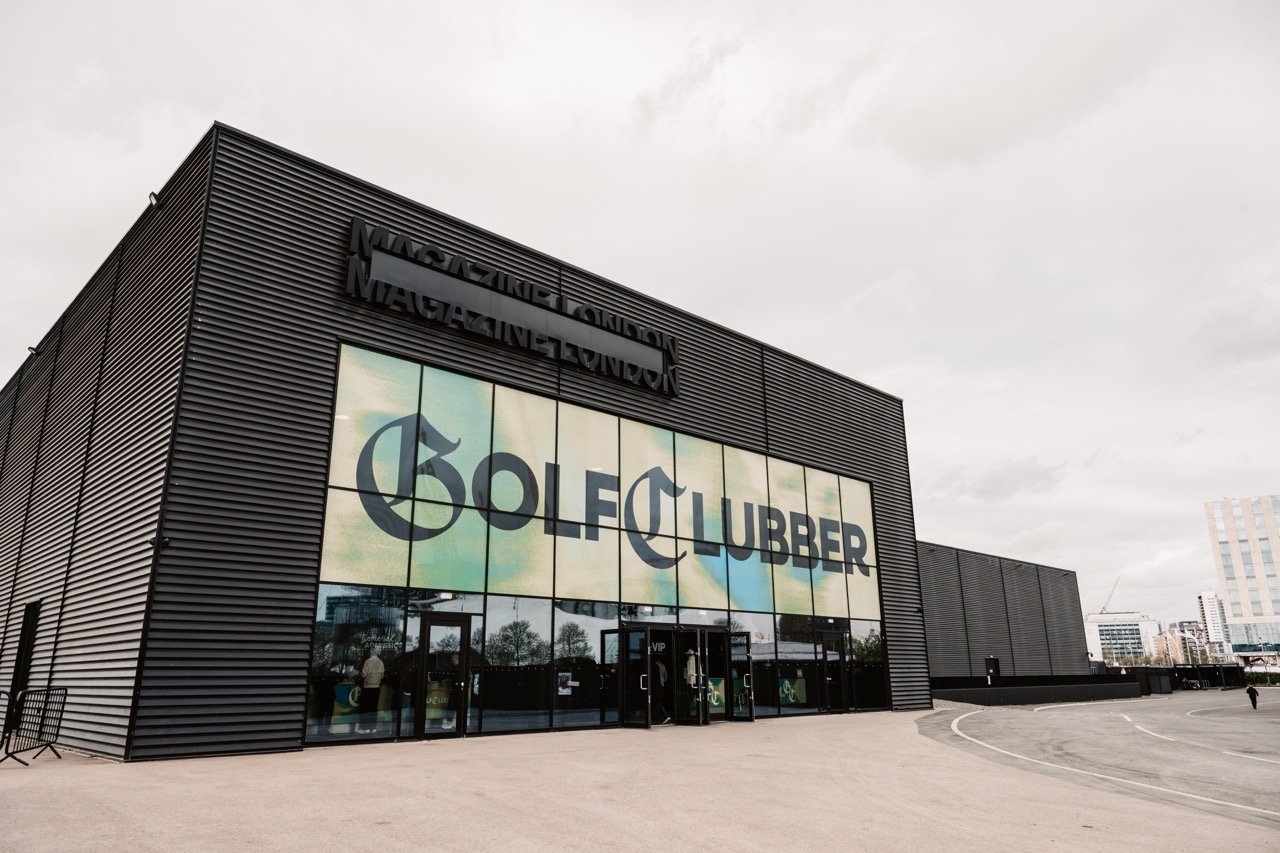
The organizers behind London’s premier golf festival have officially appointed a top-tier marketing agency to scale their operations following the success of their inaugural 2026 event. As the intersection of traditional sports and digital transformation accelerates, the festival aims to leverage advanced data analytics and emerging technologies to redefine how fans engage with the sport.
## Integrating AI and Machine Learning into Fan Experience
The festival’s move to partner with a leading marketing firm is largely driven by the goal of hyper-personalization. By adopting sophisticated AI-driven customer relationship management (CRM) tools, the organizers intend to move away from generic email campaigns. Instead, they plan to utilize predictive modeling to anticipate attendee preferences.
“We are looking at how Google Cloud’s machine learning capabilities can help us process fan sentiment and behavior patterns in real-time,” says the festival’s lead operations officer. By analyzing how attendees interact with the festival app—which is powered by Google’s latest backend infrastructure—the marketing team plans to push real-time, context-aware notifications. This shift mimics the recent updates to Google Maps and Search, where AI-driven “helpful content” is prioritized. For the festival, this means delivering personalized schedules, food recommendations, and interactive map overlays that change based on crowd density, all processed through high-speed edge computing.
## Data-Driven Marketing and Google Ecosystem Synergy
A significant portion of the new marketing strategy involves deep integration with Google’s advertising suite. The agency intends to move beyond standard PPC (pay-per-click) ads, focusing instead on Google’s Performance Max campaigns, which use automation to optimize ad placements across YouTube, Display, and Search.
The festival plans to capitalize on the “Search Generative Experience” (SGE) by optimizing their content for AI overviews. By ensuring that their event information—such as player lineups, interactive clinics, and tournament scoring—is structured for AI-readiness, they hope to become the primary answer for golf enthusiasts querying the web. This tech-forward approach is expected to lower the cost of acquisition per attendee by targeting users who exhibit high-intent search behavior, moving away from broad-spectrum outreach to precision-targeted digital interactions.
## Future-Proofing Through Tech-Enabled Engagement
Beyond marketing, the festival is evaluating the deployment of augmented reality (AR) features at the course, potentially utilizing tools compatible with the Android ecosystem to provide spectators with live, on-screen analytics. By tapping into Google’s geospatial APIs, the organizers aim to create a “digital twin” of the golf course, allowing visitors to visualize ball flight paths and swing metrics directly through their smartphones.
This digital evolution reflects a broader trend within the tech industry where event organizers are moving toward “Phygital” experiences—a seamless blend of physical presence and digital enhancement. As the agency begins its work, the focus will remain on building an infrastructure that can support massive spikes in traffic, utilizing Google’s robust server-side processing to ensure that every participant has a frictionless digital journey.
By aligning their brand with modern tech standards, the festival isn’t just selling tickets; it is building a robust digital ecosystem. As the marketing campaign gains momentum, observers anticipate that this golf festival will serve as a blueprint for how sports events can thrive by leaning into AI-integrated marketing, data-rich analytics, and the widespread utility of the Google product suite to reach a global, tech-savvy audience. The goal for 2027 is clear: to prove that golf, despite its traditional roots, can be at the cutting edge of the digital revolution.
Disclaimer: This content is auto-generated for informational purposes only.
Source: Read Original News