









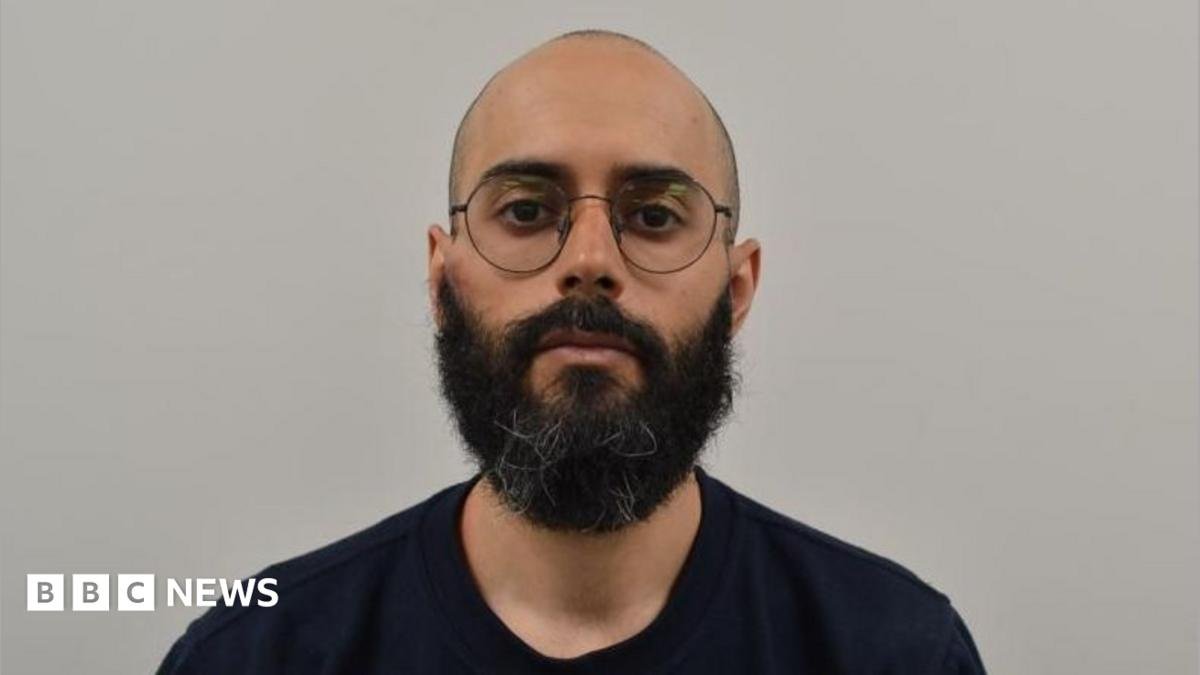
A man who launched a chilling knife attack plot against the Israeli embassy in London has been sentenced to life imprisonment with a minimum term of 20 years.
Abdullah Albadri, 34, was detained by armed police on 28 April 2025 after he attempted to force his way into the diplomatic mission located in Kensington. The Kuwaiti national, who was armed with two knives at the time of his arrest, was later found guilty by a majority verdict at the Old Bailey of preparation of terrorist acts and possession of bladed articles.
During the trial, the court heard that Albadri had become radicalized and motivated to carry out the attack due to the ongoing conflict in Gaza and the death of Palestinians. Prosecutors detailed how Albadri had arrived in the United Kingdom via a small boat across the English Channel just 16 days before the attempted breach.
His journey to the UK was characterized by repeated attempts to enter the country. Records revealed that Albadri first arrived in the UK in August 2021, where he initially sought asylum. However, he departed for France before his application could be processed. He returned to Britain in April 2025, crossing the Channel once again to seek refuge.
Upon his latest arrival, Albadri was housed in a hotel in Basingstoke for three days. His circumstances deteriorated rapidly after he was informed that he was no longer eligible for state-provided accommodation due to his outstanding asylum application. In the days leading up to his attempt to storm the embassy, he had been living on the streets of London, sleeping rough.
Sentencing Albadri, the judge emphasized the severity of the threat posed by his actions, noting that the combination of his extremist ideology and the possession of lethal weapons necessitated a significant custodial sentence. The court heard that Albadri’s actions were a deliberate attempt to strike at a symbol of the Israeli state, intending to inflict violence on those inside the Kensington facility.
The case has drawn significant attention to the security protocols surrounding foreign embassies in London and the complexities of monitoring individuals within the asylum system. While the defense had highlighted his period of homelessness and unstable living conditions as factors, the court remained firm on the necessity of a life sentence to protect the public.
Albadri will now serve a minimum of two decades behind bars before he is eligible to be considered for parole. The conviction and sentencing mark the conclusion of a high-profile national security investigation led by counter-terrorism officers who acted swiftly to neutralize the threat before any casualties could occur at the embassy.
Disclaimer: This content is auto-generated for informational purposes only.
Source: Read Original News