







Supreme Court Demands Answers as Voter Roll Purge Triggers Nationwide Unrest
The Supreme Court of India has issued a stern directive to the central government and the Election Commission of India (ECI), demanding transparency and accountability regarding a massive electoral roll revision that has disenfranchised tens of millions of citizens. The move comes amid escalating nationwide protests and intensifying allegations that the government is orchestrating a systematic attack on the democratic process.
A “Purification” or a Power Grab?
The controversy centers on a “Special Intensive Revision” (SIR) of voter lists, an exercise officially described by the ECI as a routine measure to remove duplicates, deceased individuals, and illegal infiltrators. However, the scale of the operation has sparked national alarm, with reports indicating that approximately 130 million names have been scrubbed from the electoral rolls.
Critics, including legal experts and opposition leaders, argue that the process lacks the necessary transparency. Reports from the Indian Express have highlighted multiple internal objections that were reportedly ignored, fueling suspicions that the revision is being used to target specific demographics. In particular, political observers have noted a disproportionate number of deletions among Muslim populations—a community that has historically stood in opposition to the ruling Bharatiya Janata Party (BJP).
Judiciary Intervenes Amid Growing Outcry
On Monday, the Supreme Court took up two petitions calling for an independent inquiry into the actions of ECI head Gyanesh Kumar. The petitions argue that the credibility of the commission has been irreparably damaged under Kumar’s leadership, noting his appointment by a panel headed by Prime Minister Narendra Modi.
“Deletions of voters have been made in the largest democracy,” remarked Menaka Guruswamy, a lawyer representing one of the petitioners. “We have grown up with free and fair elections; that is not the case now.”
The court has ordered the government and the election body to respond in a “clear, transparent manner,” with further hearings scheduled for next week. One advocate present at the proceedings warned the judges that if the integrity of the voting process is not restored, the resulting public frustration could lead to widespread civil instability.
The Rise of the ‘Cockroach Movement’
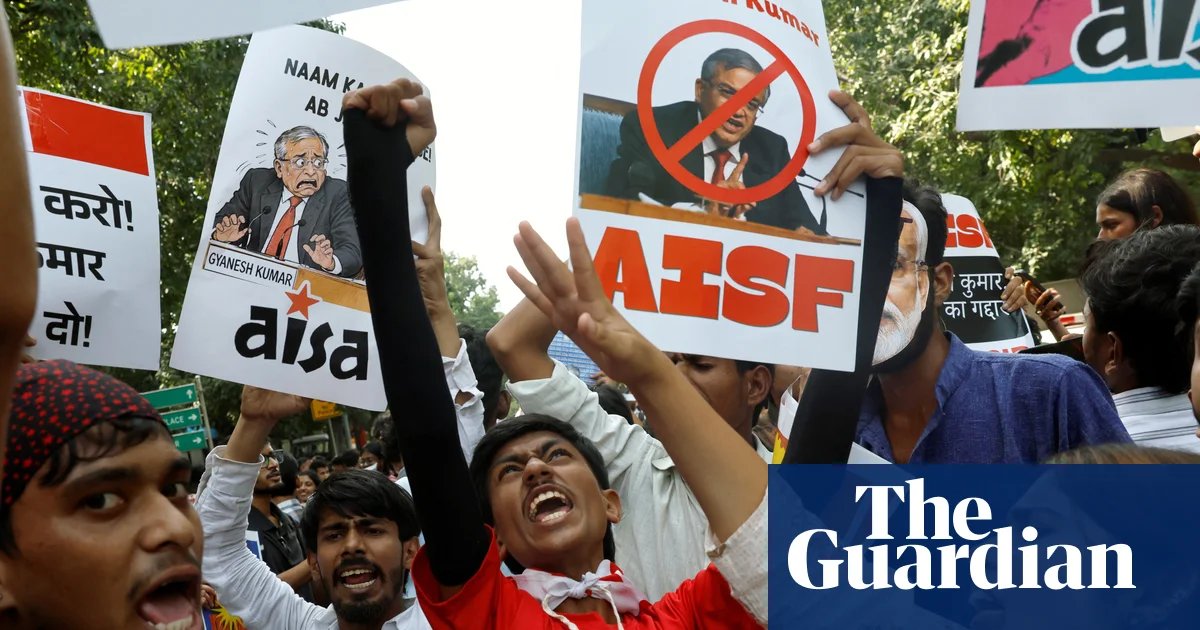
The legal battle is being mirrored by intense pressure on the streets. The “Cockroach movement,” a youth-led coalition that gained significant momentum earlier this year, has spearheaded demonstrations across major urban centers, including Delhi, Mumbai, and Hyderabad. Protesters are demanding the immediate resignation of Gyanesh Kumar, accusing the ECI of acting as a puppet for the ruling administration.
Government authorities have responded to the unrest with significant force. In Delhi, hundreds of protesters were detained over the weekend. Furthermore, the handling of the demonstrations has drawn condemnation from media rights groups, following allegations that police assaulted journalists covering the events. While the Delhi police have stated they are investigating claims of sexual assault against reporters, the incident has further inflamed public anger.
As the government prepares its response for the Supreme Court, the intersection of legal scrutiny and grassroots dissent underscores a deepening crisis of confidence in India’s democratic institutions. For millions of voters who suddenly find themselves stripped of their democratic franchise, the upcoming judicial hearings represent the last line of defense for their right to participate in the future of the country.
Disclaimer: This content is auto-generated for informational purposes only.
Source: Read Original News