






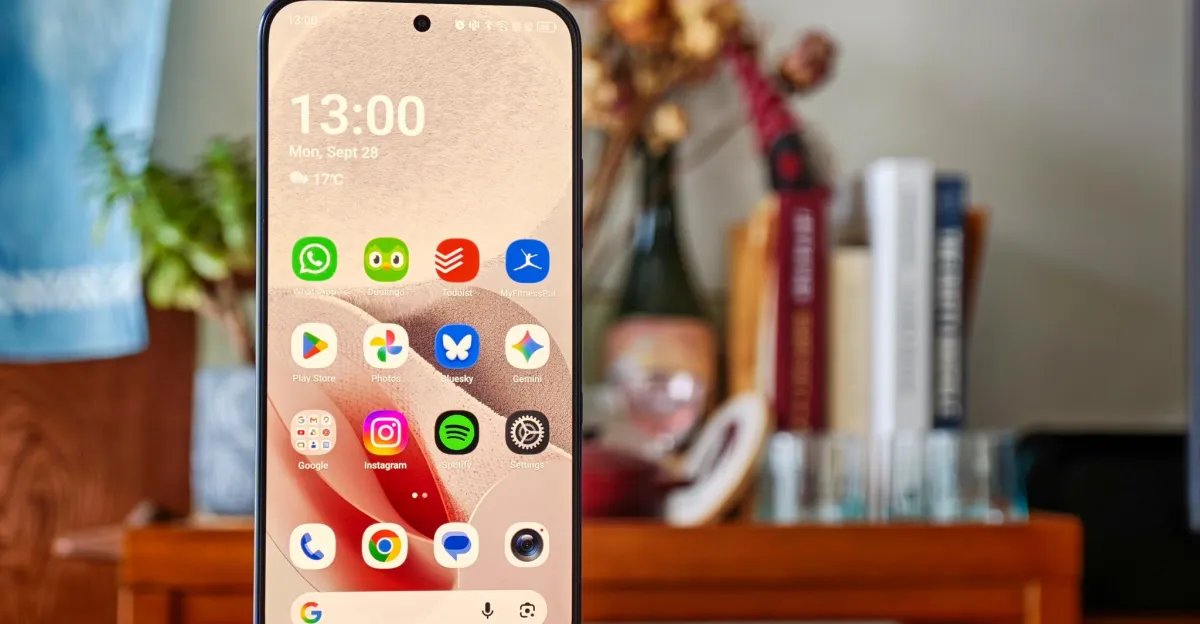
The Evolution of Display Technology: Moving Beyond Glass
For years, smartphone manufacturers have focused on making displays brighter, sharper, and more vibrant. However, a quiet shift is occurring in screen engineering: the move toward matte displays. While high-gloss OLED panels have been the gold standard for contrast and color reproduction, they often struggle with glare and surface reflections. Recent developments, exemplified by the TCL P80 Ultra and the upcoming iPhone Duo, suggest that the future of mobile screens may be less about pure intensity and more about comfort and usability in varied lighting conditions.
The TCL P80 Ultra is the latest device to utilize Nxtpaper technology, a specialized screen treatment that adds a matte, paper-like finish to a device’s surface. Unlike simple aftermarket screen protectors, this integration is built directly into the display stack. By combining this matte finish with an OLED panel, TCL has addressed the primary complaint regarding its previous Nxtpaper efforts: the visual compromise. By retaining the deep blacks and rich colors of OLED while muting harsh reflections, the device offers a viewing experience that remains legible in direct sunlight and comfortable in low-light settings.
The Practical Benefits of Anti-Glare Surfaces
The appeal of a matte display goes beyond aesthetics. The inherent anti-glare properties of these screens significantly improve visibility in challenging environments, such as brightly lit offices or outdoor areas. Because the surface diffuses incoming light rather than reflecting it directly into the user’s eyes, the screen remains readable without requiring the user to crank up the brightness to maximum levels. This not only aids in battery efficiency but also reduces eye fatigue over prolonged periods.
Furthermore, the physical texture of a matte display offers a tactile benefit. The slightly textured surface provides a smooth, satiny feel that reduces friction, making the swiping and gesturing experience more consistent. For users accustomed to the “sticky” feel of traditional glass under humid conditions or during extended gaming sessions, this subtle change in texture can be a noticeable improvement in everyday ergonomics.
Advanced Display Modes and User Control
TCL’s implementation of Nxtpaper takes this hardware advantage and pairs it with software-driven modes to further transform the device’s behavior. Users can toggle between distinct viewing profiles via a physical key on the side of the phone. Paper Mode, for instance, desaturates the display to mimic the look of e-paper, which is ideal for reading text-heavy articles or documents.
For users seeking to minimize digital distraction or further preserve battery life, the Max Ink Mode offers a more rigorous approach. This setting strips the operating system down to a strictly monochrome interface, limiting access to non-essential apps and turning the phone into a tool for focused productivity. This flexibility highlights the potential for modern smartphones to move away from being purely high-intensity media consumption devices toward platforms that can adapt to the user’s specific activity, whether that is high-fidelity video streaming or long-form reading.
The Industry Shift: From Tablets to Foldables
While TCL pioneered this approach in phones, the broader tech industry has been experimenting with matte technology in various formats. Huawei’s PaperMatte tablets, Lenovo’s specialized panels, and even the design philosophy behind Samsung’s Frame televisions all point to a growing consumer preference for screens that do not behave like traditional mirrors.
The most significant validation of this trend is the upcoming iPhone Duo. By incorporating a matte coating on its inner folding display, Apple is leaning into the idea that a specialized finish can solve specific hardware challenges. In the case of a foldable, a matte finish helps to minimize the visual distraction of the crease, which remains a primary design hurdle for the industry. While it is notable that the iPhone Duo only features this on its internal panel, it signifies that major manufacturers are beginning to treat display texture as a premium, functional feature rather than just an afterthought.
Looking Ahead: The Impact of Apple’s Adoption
The inclusion of a matte panel in a high-profile device like the iPhone Duo is likely to accelerate the adoption of similar technology across the mobile landscape. Historically, when a company like Apple adopts a display technique, competitor brands often scramble to offer comparable solutions. We have already seen the industry mimic the wide-format design of the iPhone Duo; it is reasonable to expect that the move toward matte, low-glare, and paper-like screens will follow a similar trajectory.
This is a positive development for consumers. The goal of technology should not just be to make screens brighter; it should be to make them more versatile. As the market for foldable phones matures, the integration of textured, anti-glare surfaces will likely become a competitive differentiator. Not every consumer will demand a matte screen, but the industry is clearly moving toward a point where such an option is becoming the expectation for premium hardware. By prioritizing the user’s visual comfort alongside screen performance, manufacturers are finally acknowledging that how we see the screen is just as important as what we see on it.
Disclaimer: This content is auto-generated for informational purposes only.
Source: Read Original News