







UN Has Become ‘Gridlocked’ and Irrelevant, Says Jaishankar; Calls for Urgent Structural Reform
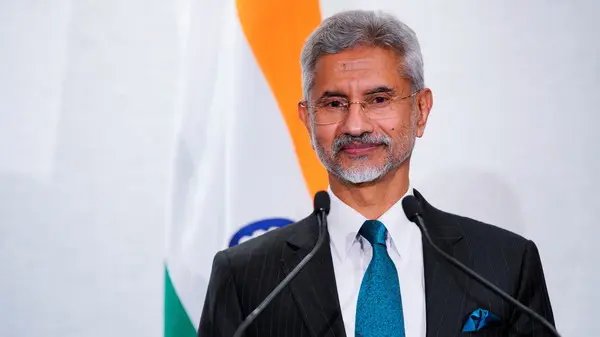
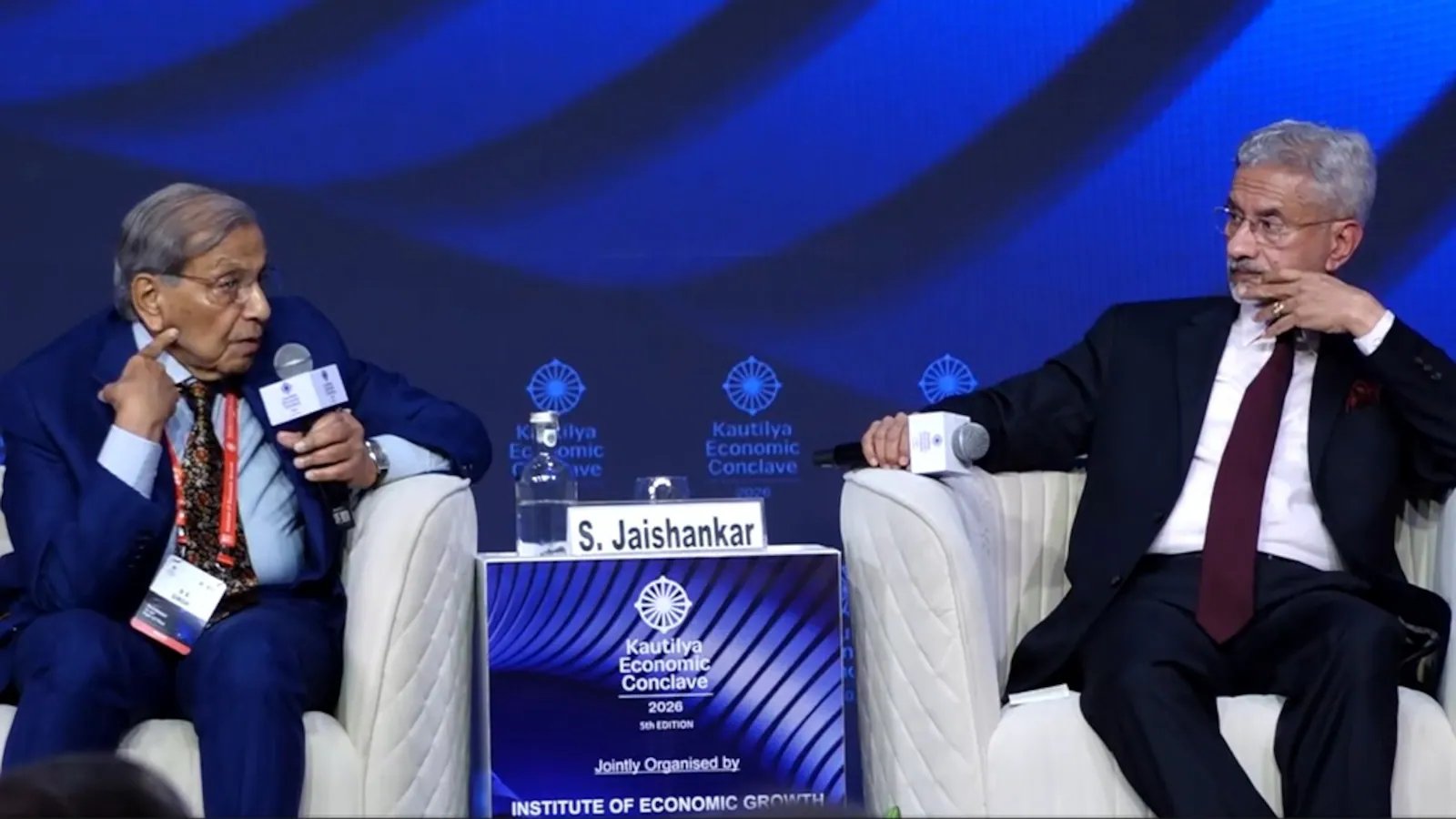
New Delhi: External Affairs Minister S. Jaishankar has delivered a scathing assessment of the United Nations, characterizing the world body as increasingly ineffective and disconnected from the contemporary geopolitical reality. Speaking at the Kautilya Economic Conclave, the Minister argued that the UN’s current governance structure is an archaic relic that fails to address the most pressing crises facing the global community.
A ‘Gridlocked’ Global Institution
Jaishankar’s critique centered on the inability of the UN, and specifically the Security Council, to act as a meaningful arbiter in international conflicts. He pointed to the ongoing turbulence in the Gulf, the war in Ukraine, and various humanitarian crises across Africa as evidence that the institution has been largely marginalized in key decision-making processes.
“Where the UN is concerned, I think it’s obvious to everybody by now that the UN is gridlocked,” Jaishankar stated. He emphasized that the global perception of the UN’s utility is fading, largely because the Security Council no longer mirrors the diverse interests of the modern world.
The ‘Management’ Problem
Highlighting the stark disparity between the UN’s inception and its current status, the Minister reminded the audience that the organization began with just 51 members. Today, that number has quadrupled, yet the “board of management”—referring to the permanent composition of the Security Council—remains stuck in the post-World War II era.
“If you have grown four times and you want to keep the old board of management, it is not going to work. It is common sense,” he remarked. For India, which has been a vocal proponent of expanding the Security Council to include more representative voices from the Global South, this lack of structural evolution is the primary hurdle to the UN’s legitimacy.
Resisting Reform
While Jaishankar refrained from naming specific countries, he took aim at a handful of global players who continue to stonewall efforts to reform the UN. He specifically critiqued the cynical use of African representation as a political shield.
“They are using the name of Africa to block the reform of the UN,” the Minister noted, calling the tactic an “irony.” He clarified that the African nations have already articulated a clear position on their desire for greater representation, effectively undermining the excuse used by those resisting the changes.
Fix, Don’t Abandon
Despite his blunt criticism, the External Affairs Minister underscored that India is not calling for the abolition of the UN. Instead, he framed the government’s stance as a desire to salvage the organization’s original intent.
“Our job must be to fix the UN, not to work around the UN,” Jaishankar asserted. “The idea is not to throw away the UN, but to fix the UN.” He concluded by emphasizing that the international community is at a crossroads, where it must choose between witnessing the continued slide of the UN into irrelevance or undertaking the difficult, necessary labor of modernizing the institution to meet 21st-century demands.
Disclaimer: This content is auto-generated for informational purposes only.
Source: Read Original News