








The Evolution of Desktop Computing Power
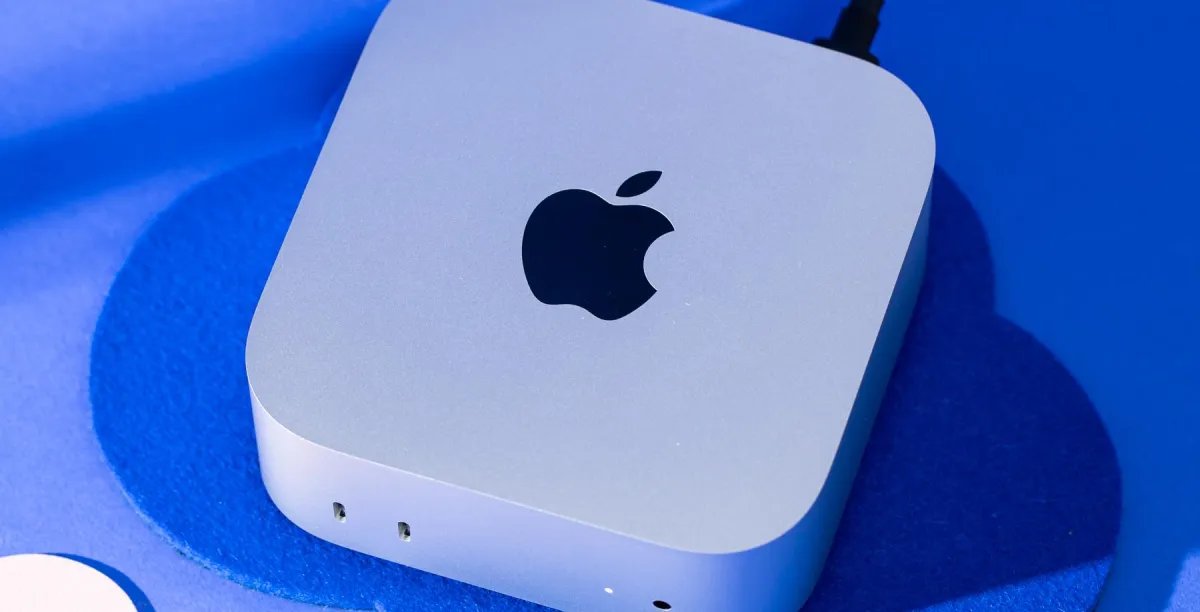
The landscape of compact desktop computing has undergone a significant transformation with the release of the latest iteration of the Mac Mini. At the heart of this hardware refresh lies the new M6 silicon, a processor that represents a major leap in architectural efficiency and computational throughput. While the physical form factor remains largely consistent with previous generations, the internal components have been overhauled to meet the demanding requirements of modern software workflows, including local artificial intelligence processing and high-resolution media production.
For many years, the Mac Mini has served as the baseline for performance-oriented desktop workstations that occupy a minimal physical footprint. The 2026 update addresses the primary criticisms of earlier models, specifically regarding memory capacity. By making 16GB of unified memory the entry-level standard, the manufacturer has acknowledged that contemporary operating systems and professional applications require more headroom to function efficiently. This change ensures that the base configuration is no longer a bottleneck for users, providing a stable foundation for multitasking and heavy data loads.
Architectural Advancements of the M6 Processor
The core of the new Mac Mini is its M6 chip, which utilizes a sophisticated multi-core architecture designed to balance power efficiency with raw speed. The base model features a 12-core CPU and a 12-core GPU, providing a symmetrical performance profile that excels in both sequential processing tasks and parallelized graphical operations. This architecture allows the device to manage complex renders and real-time data analysis with significantly lower thermal output than traditional desktop counterparts.
The M6 chip integrates advanced neural engine capabilities, which are essential for running large language models and other machine learning algorithms directly on the hardware. By keeping these operations local, the system reduces latency and enhances privacy, as data does not need to be transmitted to a cloud server for processing. This transition towards on-device intelligence is a defining characteristic of the 2026 hardware cycle, positioning the Mac Mini as a primary node for users who are building or testing local AI applications.
Evaluating the Price-to-Performance Ratio
When the latest Mac Mini launched, it arrived with a higher starting price point compared to its predecessors. The $899 retail figure marked a shift in the perceived value of the product line, moving it slightly further away from the budget-friendly category it occupied for years. However, this price increase is justified by the internal specifications, specifically the doubling of base RAM and the advancement of the integrated silicon.
The introduction of limited-time price reductions has brought the entry cost down to approximately $779.99, making the hardware significantly more attractive. In the context of the current market, this price point positions the device in direct competition with legacy models that possess fewer cores and reduced memory. Consumers evaluating their hardware procurement strategy should prioritize these newer units, as the architectural longevity provided by the M6 chip and the 16GB memory ceiling offers a substantially better investment over a three-to-five-year horizon compared to older, lower-spec variations.
Hardware Limitations and Expansion Constraints
While the performance gains are notable, users must remain mindful of the hardware’s physical design. The Mac Mini follows a non-upgradeable design philosophy, meaning the memory and internal storage are fused to the system board at the point of manufacture. This creates a reliance on the initial configuration, emphasizing the importance of selecting the correct model for specific professional needs.
The 256GB storage capacity in the base model is sufficient for general productivity tasks, but users focused on video editing, 3D modeling, or heavy software development will likely need to integrate high-speed external storage solutions. The inclusion of modern connectivity ports, such as Thunderbolt 5 or the latest USB-C standards, allows for rapid data transfer, effectively mitigating the limitations of the internal drive. Prospective buyers should calculate the cost of external peripherals if their workflow involves large project files, as this remains a fundamental part of the desktop configuration.
Strategic Use-Cases for Modern Workstations
The target audience for the M6-powered Mac Mini spans from creative professionals to home office users who require a high-performance terminal. In the creative sector, the device handles 4K video editing, color grading, and complex image manipulation with fluid responsiveness. The efficiency of the M6 chip allows for near-silent operation even under sustained load, an advantage for professional recording environments where background noise must be eliminated.
Software developers also benefit from the high core count, which accelerates compilation times for large codebases. Furthermore, the device is an ideal candidate for server-side testing, light virtualization, and local machine learning research. Because the device is small enough to be mounted behind a display, it creates a clean, distraction-free environment that maximizes productivity. When compared to older models, the efficiency of this machine translates into lower electricity consumption over time, contributing to a lower total cost of ownership for institutional deployments.
Future-Proofing Your Hardware Investment
As the industry moves toward more integrated software-hardware experiences, selecting the right hardware at the point of sale is more critical than ever. The M6 generation of the Mac Mini represents a baseline that is built for the requirements of the next decade. By moving away from minimal memory configurations and maximizing the core architecture, the manufacturer has created a desktop system that is less likely to become obsolete as operating systems grow more demanding.
Those looking to upgrade their home or professional office setup should consider the current market opportunities to acquire the base model at a discount. By capitalizing on pricing shifts, users can secure modern, powerful hardware at a rate that aligns with more conservative budgets, ensuring they are prepared for the next wave of software innovation without overspending. The key to successful hardware acquisition in this segment lies in recognizing when the underlying technology provides a sufficient leap in capability to warrant an upgrade, and the M6 Mac Mini clearly crosses that threshold.
Disclaimer: This content is auto-generated for informational purposes only.
Source: Read Original News