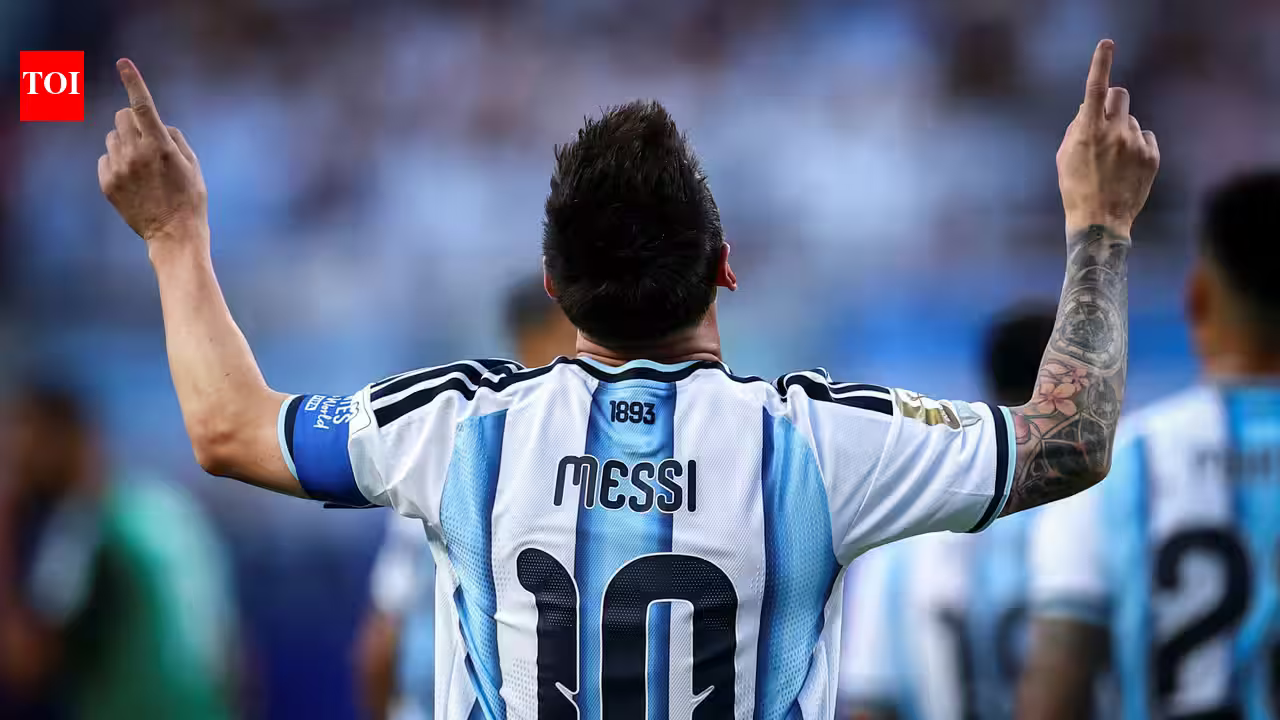








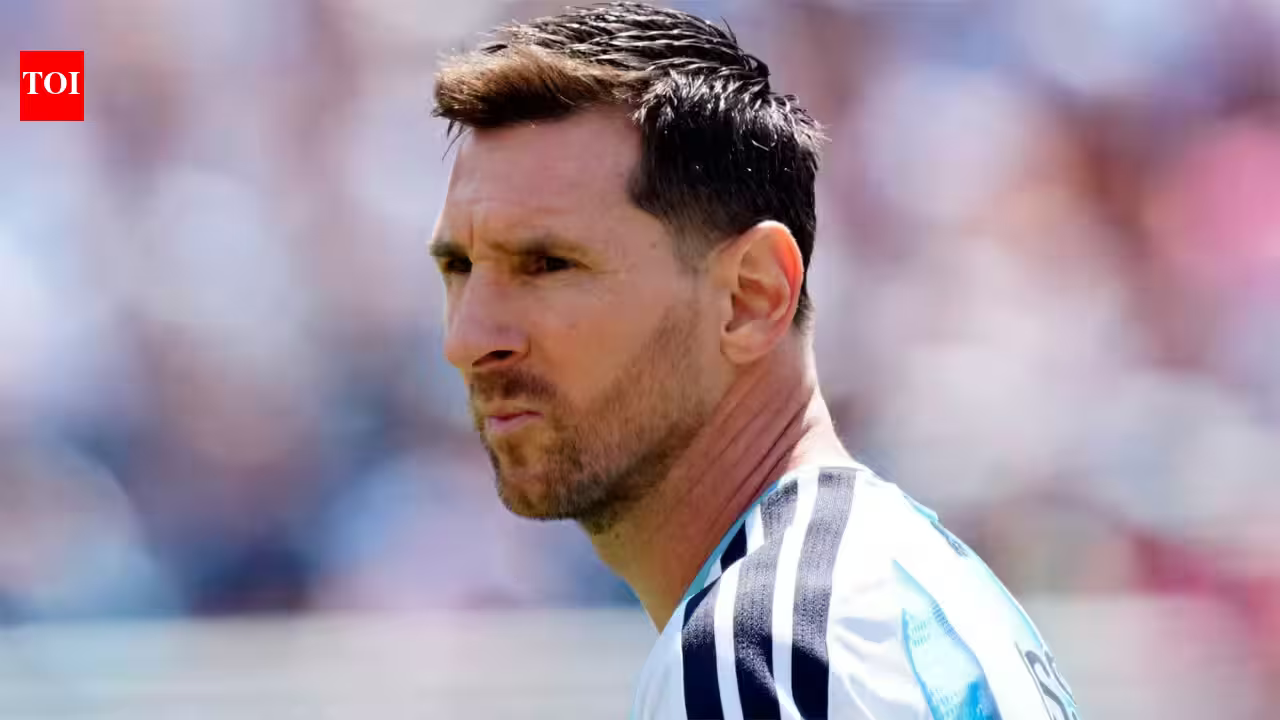
Lionel Messi stands on the precipice of his final act in the iconic blue and white stripes of Argentina. As the clock ticks toward Tuesday, October 6, the footballing world prepares to bid an emotional farewell to the man who redefined the sport over two decades. Yet, as he prepares for his 208th and final senior international appearance against Benin at the Estadio Monumental in Buenos Aires, the narrative surrounding this grand exit has shifted from a celebration of legacy to a controversy regarding the business of international football.
Reports surfacing ahead of the clash suggest that the farewell was not a celebration Messi initially embraced. Instead, sources close to the situation indicate that the 39-year-old harbored significant reservations, suspecting that the Argentine Football Association (AFA) was orchestrating the event primarily as a revenue-generating vehicle rather than a genuine tribute to his monumental career.
The Anatomy of a Disputed Farewell
The emotional weight of this moment was forged in the disappointment of the 2026 World Cup final, where a tearful Messi watched Spain claim the trophy in New Jersey. That loss, coupled with the profound personal grief following the death of his father, catalyzed his decision to step away from international duty. Messi had expressed a desire to leave the pitch on his own terms, having already delivered everything he could to his nation.
“I swear to you that I always gave it my all – not just in these last few years when we won everything, but before that too,” Messi stated during his retirement announcement. Despite this commitment, reports from Gazzetta dello Sport suggest that Messi viewed the organized farewell friendly with a sense of skepticism. He reportedly felt that the AFA was leveraging his immense brand power to secure millions in revenue, turning his final bow into a commercial exercise. Even Argentina head coach Lionel Scaloni, the architect of the nation’s recent successes, was rumored to have shared concerns regarding the structure and intent behind the fixture.
The Search for “Free” Opponents
The administrative maneuvering behind the scenes has only added to the complexity of the narrative. In the lead-up to the October international break, the AFA scheduled a series of friendlies. According to reports, the organization tasked a Colombian agency with finding opponents willing to play Argentina without demanding the standard appearance fees usually associated with a top-tier international side.
Benin emerged as the chosen candidate, reportedly agreeing to participate in the match without a fee—a decision driven by the prestige of sharing the pitch with the legend for his final appearance and the potential for a historic photo opportunity. The contrast is stark: a routine friendly repurposed as a massive gala, with roughly 85,000 spectators expected to fill the Monumental, paying top dollar to witness the final seconds of an era. The optics of sourcing “free” opposition to fill a stadium for a high-profit farewell match have left a bitter taste for those who feel the occasion should have been handled with more dignity.
A Legacy Beyond Comparison
Despite the controversy, the statistics serving as the backdrop for Tuesday’s match are staggering. Messi leaves the international stage not just as a cultural icon, but as the most decorated player in the history of the Albiceleste. With a World Cup title, two Copa America trophies, and a Finalissima victory, he has solidified his status as the greatest to ever wear the shirt.
Entering his final match, he boasts 125 goals and 68 assists across 207 senior caps. To put those numbers in perspective, he sits 69 goals clear of the legendary Gabriel Batistuta and 61 caps ahead of Javier Mascherano. He remains part of an elite fraternity of only four players to eclipse the 200-cap threshold, though his career trajectory remains unique among his peers. Unlike rivals Cristiano Ronaldo or Luka Modrić, Messi’s trophy haul with his nation includes the ultimate prize—the World Cup—a crowning achievement that few ever reach.
Life After the Legend
The match in Buenos Aires will serve as a poignant transition. While the focus remains on the captain, the pitch will also feature a farewell for vice-captain Nicolás Otamendi, signaling that the changing of the guard is well underway. The presence of stalwarts like Rodrigo De Paul and Giovani Lo Celso—called up specifically for this fixture—raises whispers that they, too, may be preparing for life without the Argentine talisman.
Messi remains under contract with Inter Miami until 2028, but the shadows of his father’s recent passing and the grueling nature of top-flight football suggest his time on the pitch in total is finite. As the fans prepare to pack the Monumental, the air will be thick with nostalgia. Yet, the reported hesitation from Messi himself serves as a sharp reminder that behind the glitz of the stadium lights, the business of football continues to grind on.
Regardless of the boardroom politics and the skepticism that marred the preparation, the final whistle on Tuesday will mark the end of a singular epoch. Argentina prepares to move forward, but for 90 minutes, the world will watch as the curtains fall on the most significant chapter in South American football history. Whether the AFA’s motives were pure or purely financial, the fans in the stands will see only one thing: the closing of the book on Lionel Messi’s international career.
Disclaimer: This content is auto-generated for informational purposes only.
Source: Read Original News