




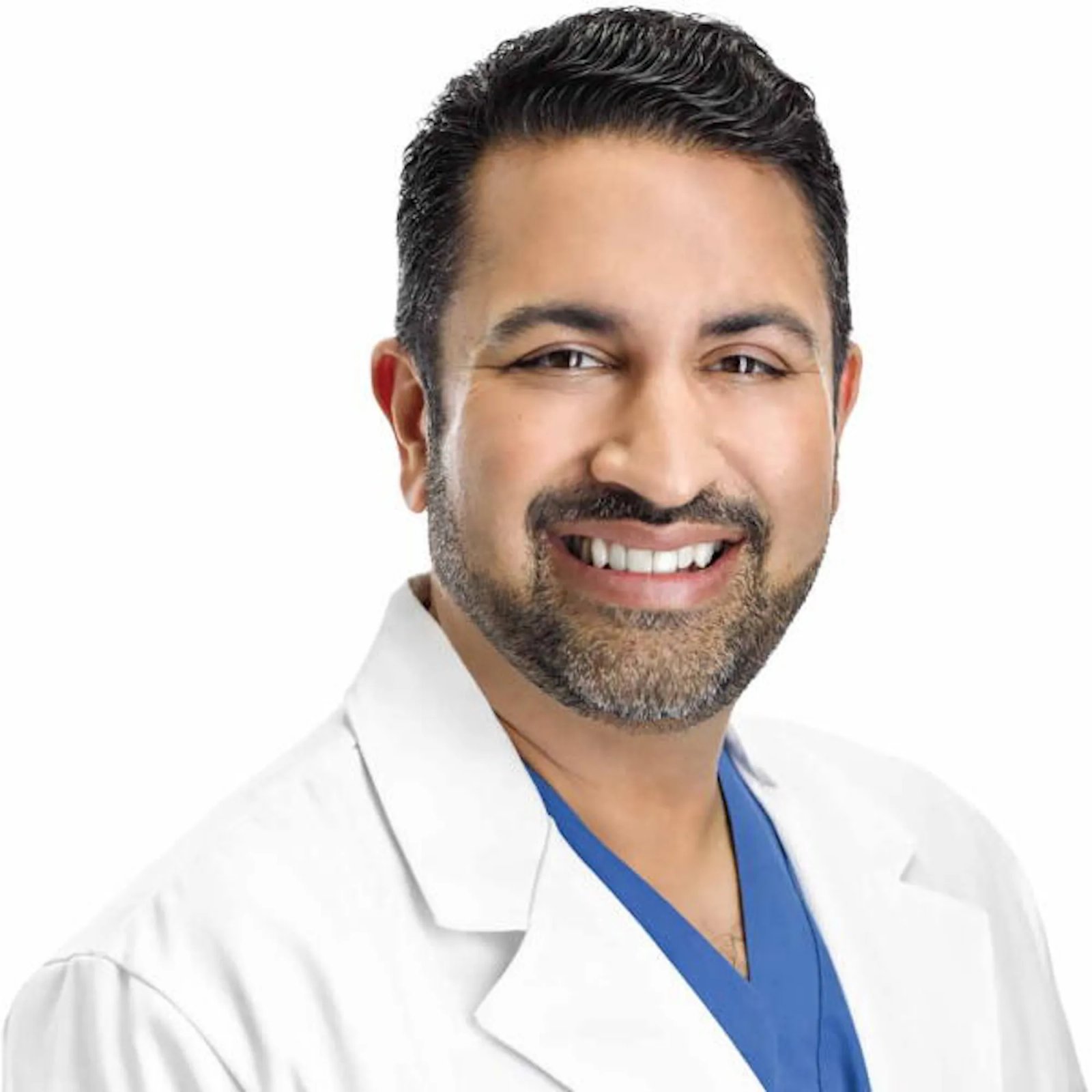
The “Apple Store” of Healthcare: How Dr. Darshan Shah is Redefining the Clinic Experience
In an era where the healthcare industry is aggressively pivoting toward telehealth and AI-driven virtual consultations, one medical entrepreneur is betting big on the physical world. Dr. Darshan Shah, a board-certified surgeon and founder of Next Health, believes that the future of longevity medicine doesn’t live behind a screen, but rather in a high-end, intentionally designed clinical space that feels more like a flagship tech retail store than a sterile exam room.
From Surgical Burnout to Longevity Visionary
Dr. Shah’s journey into the wellness economy was born from a personal crisis. Despite his high-level medical training—including a residency at the Mayo Clinic—Shah found himself suffering from the very ailments he treated in others. Overworked and perpetually stressed, he became diabetic, hypertensive, and was eventually diagnosed with an autoimmune condition that left him dependent on immunosuppressants.
Frustrated by a system that focused exclusively on reactive “disease management,” Shah pivoted toward functional medicine. He began applying his new findings to his own life and those of his surgical patients, finding that many people could avoid invasive procedures entirely if they proactively managed their health. This shift in philosophy served as the foundation for Next Health, a company designed to flip the traditional medical model on its head.
Designing Against the “Doctor’s Office” Dreads
When Shah drafted the initial blueprint for his clinics, he utilized a simple, effective brainstorming technique: he listed every friction point inherent to the standard medical visit. Long waits, uncomfortable furniture, indifferent staff, and an atmosphere of institutional dread were all on his list.
His solution was to curate an experience that emphasizes hospitality as much as science. By creating what many now call the “Apple Store of health,” Next Health uses physical design to transform a routine checkup into an aspirational event. While much of the health-tech sector is currently preoccupied with AI diagnostics and app-based symptom checkers, Shah argues that human-centric design in a brick-and-mortar setting is what actually keeps patients engaged and compliant with their health goals.
Scaling Wellness in a Virtual World
Despite the current industry trend of moving healthcare online to minimize overhead, Next Health has aggressively expanded its physical footprint to over 25 global locations. This growth strategy defies the common Silicon Valley wisdom that physical assets are a liability. Instead, Shah views the clinic as an essential component of the “product.”
He believes that the environment in which care is delivered impacts the outcomes themselves. By fostering an aesthetic that feels premium and welcoming, he aims to reduce the anxiety that typically prevents patients from seeking preventive care. This approach has allowed the company to offer everything from comprehensive executive physicals—which provide deep-dive diagnostics—to hormone optimization and IV therapy.
While some critics point to the high costs associated with boutique longevity medicine, such as the $14,500 executive physical, Shah maintains that democratizing access is a core part of the roadmap. By offering entry-level memberships starting at $99 a month, he intends to make preventive, data-driven healthcare accessible to a broader demographic.
As healthcare continues to integrate more technology, the battle for the patient experience will likely be fought between those who double down on the efficiency of artificial intelligence and those, like Dr. Shah, who believe that the future of wellness still requires a place where people actually want to show up. For now, the strategy of investing in the physical “third space” of the clinic seems to be paying off, proving that even in a digital-first world, a thoughtfully designed office can still be the best medicine.
Disclaimer: This content is auto-generated for informational purposes only.
Source: Read Original News