






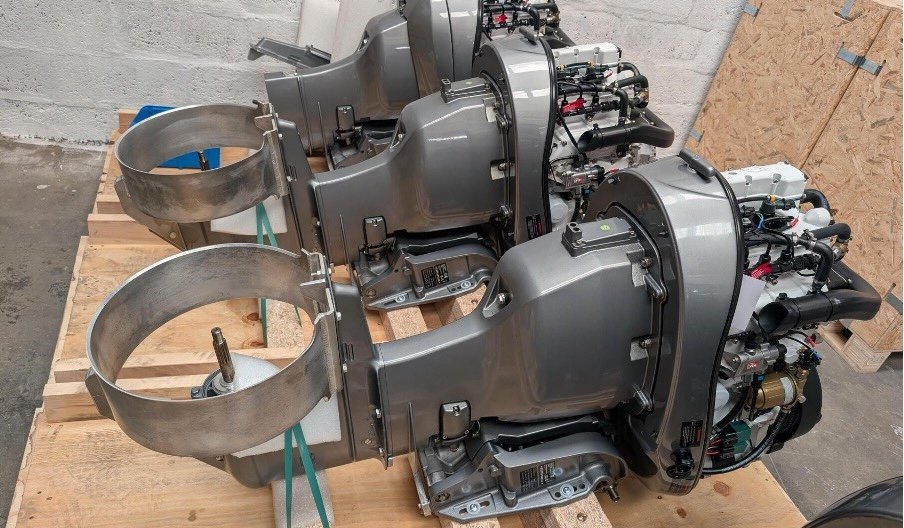
Neander Marine has officially cleared a significant regulatory hurdle that positions its flagship Dtorque 50 diesel outboard as a frontrunner for the global maritime rescue sector. The company has secured formal approval for the engine to be used in SOLAS (Safety of Life at Sea) rescue boat applications, a milestone that effectively grants the technology a “green light” for integration into critical life-saving vessels worldwide.
This certification, issued under the “MED 1.37: Rescue boat propulsion engine, outboard motor” standard, covers both Module B and Module E. By meeting these rigorous requirements, Neander Marine has proven not only the mechanical reliability of its product but also the consistency and quality of its manufacturing processes.
## A Strategic Shift for Marine Propulsion
The professional marine sector has long grappled with the limitations of gasoline outboards, particularly regarding fuel flashpoints, storage logistics, and long-term maintenance cycles. The Dtorque 50 addresses these pain points by offering the distinct advantages of diesel power. For rescue boat operators, this means enhanced fuel safety, extended service intervals, and a level of durability designed to withstand the harsh, unpredictable environments inherent to emergency search and rescue missions.
The timing of this approval is no coincidence. It follows a sustained period of market pressure from distributors and naval architects who have been eager to incorporate the Dtorque 50 into their fleet designs. With the certification now formalized, a backlog of potential contracts is expected to move rapidly from the proposal phase to active production and delivery.
## Global Deployment and Manufacturing Excellence
The real-world impact of this certification is already being felt. Neander Marine confirmed that the first batch of SOLAS-compliant engines has already been manufactured and dispatched to Spain, where they are slated for immediate installation on a new rescue vessel. This rapid transition from regulatory approval to active deployment serves as a powerful proof-of-concept for the industry.
Paula Blanco, CEO of Neander Marine, described the milestone as a pivotal moment for the firm. “There has been clear demand for the Dtorque 50 within the rescue boat market, and this milestone allows us to respond to that demand and pursue new opportunities with our customers and distributor partners,” Blanco noted.
Adding to this, CTO Ben Sherwood emphasized the significance of the dual-module approval. Securing both Module B and Module E acts as an industry-standard validation of the engineering team’s commitment to safety and quality, providing potential buyers with the necessary assurance that the engine is built for mission-critical reliability.
## Expanding the Reach of Diesel Technology
This regulatory win is a cornerstone of Neander Marine’s broader strategic roadmap. The company is actively aiming to disrupt the professional marine market by demonstrating that diesel outboards can outperform traditional gasoline variants in demanding workboat applications.
By achieving SOLAS certification, Neander Marine is not just selling an engine; it is setting a new standard for professional marine propulsion. The move is expected to ripple across the international shipbuilding industry, offering shipyards a proven, compliant, and efficient solution that meets modern safety mandates.
As the marine industry continues to prioritize safety and operational uptime, the adoption of diesel outboard technology is likely to accelerate. Neander Marine’s ability to navigate the complex certification landscape places it in a strong position to capitalize on this shift, signaling a new era for rescue boat performance and reliability. For those operating in the professional marine, defense, and emergency response sectors, the arrival of the SOLAS-certified Dtorque 50 marks a definitive step forward in maritime engineering.
Disclaimer: This content is auto-generated for informational purposes only.
Source: Read Original News