






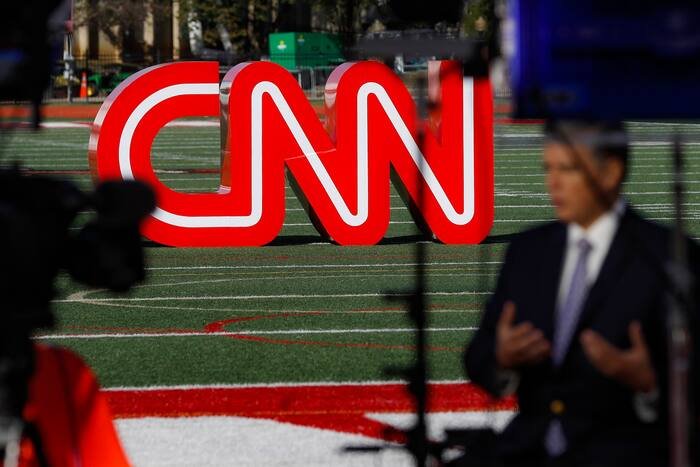
A monumental shift has occurred in the American media landscape. After a turbulent, yearlong regulatory and financial battle, Skydance-owned Paramount officially completed its $81 billion acquisition of Warner Bros. Discovery on Tuesday. The mega-merger unites two of the nation’s most prominent news institutions—CNN and CBS—under a single corporate umbrella, sparking immediate debate regarding the future of journalistic independence.
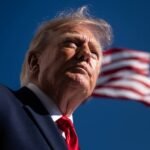
The deal’s finalization arrives at a sensitive political moment, less than a month before the 2026 midterm elections. As Skydance takes control, questions loom over how the new ownership will handle its massive news assets, particularly given the close ties between the family of Skydance CEO David Ellison and President Donald Trump. The President has historically been highly critical of both networks, recently barring CNN from the White House—an action that has since triggered a joint lawsuit from the affected outlets.
In a move to maintain stability, Skydance confirmed on Monday that Mark Thompson will remain the editor-in-chief of CNN, while Bari Weiss continues to lead CBS News. In a memo to staff, Thompson expressed “real confidence” that the new ownership would respect the network’s editorial integrity, pledging to lead with the same prerogatives he has held since 2023.
Despite these assurances, experts warn that the true test of independence will manifest over time. J. Christopher Hamilton, an associate professor at Syracuse University, noted that corporate influence is rarely as overt as direct interference. Instead, influence often arrives through “subtle” decisions regarding budgets, staffing, and long-term resource allocation that can gradually erode a news organization’s character.
To address antitrust concerns, the merger includes a legal requirement to form a “News Editorial Independence Board” within 180 days. This board is tasked with establishing guiding principles and monitoring ethical journalism at both CNN and CBS. However, the structure of this body has drawn immediate skepticism. Because members will be appointed by the company’s board of directors—chaired by Ellison—critics worry the oversight mechanism may lack the teeth necessary to truly hold the company accountable.
“This board, while it is termed independent, it is going to be filled with members appointed by Paramount,” said Megan Duncan, a journalism professor at Virginia Tech. “That will likely lessen the teeth of this board.”
The road to this merger was marked by significant resistance from state attorneys general. While a coalition of states eventually settled with the company, others, such as Connecticut Attorney General William Tong, expressed deep disappointment that a full divestiture of the news divisions was not achieved.
As the new entity begins its tenure, it inherits a strained relationship with the executive branch. With the 2026 midterms looming and the President’s vocal hostility toward both networks, the pressure on Ellison to balance corporate interests with the public demand for objective, fact-based reporting has never been higher. For now, the leadership of both CNN and CBS maintains that they will continue to answer to the facts—not to any party or political cause.
Disclaimer: This content is auto-generated for informational purposes only.
Source: Read Original News