









The global decline of nature continues at an alarming rate, with vertebrate wildlife populations plunging by an average of 73% since 1970, according to the latest analysis by the World Wildlife Fund (WWF). Drawing on data from nearly 36,000 populations and over 5,000 species, the report serves as the most comprehensive assessment of its kind, offering a stark warning that there is currently no sign of these losses slowing.
The crisis is most acute in tropical, biodiversity-rich regions. Latin America and the Caribbean have experienced a staggering 95% collapse in land and freshwater wildlife populations over the past five decades. Africa follows with an 80% decline, while Europe and Central Asia show a more moderate, yet still significant, decrease of 23%. Freshwater ecosystems have suffered the most severe damage, with populations in rivers and lakes falling by an average of 85%—a decline significantly steeper than that of land (69%) or marine (59%) species.
Beyond the ecological implications, the report frames the collapse as an “existential threat” to the global economy. Approximately half of the world’s GDP—valued at $58tn in 2023—is directly dependent on nature and the services provided by stable ecosystems. Researchers warn that the erosion of biodiversity now poses tangible risks to geopolitical security, food supplies, and overall human wellbeing.
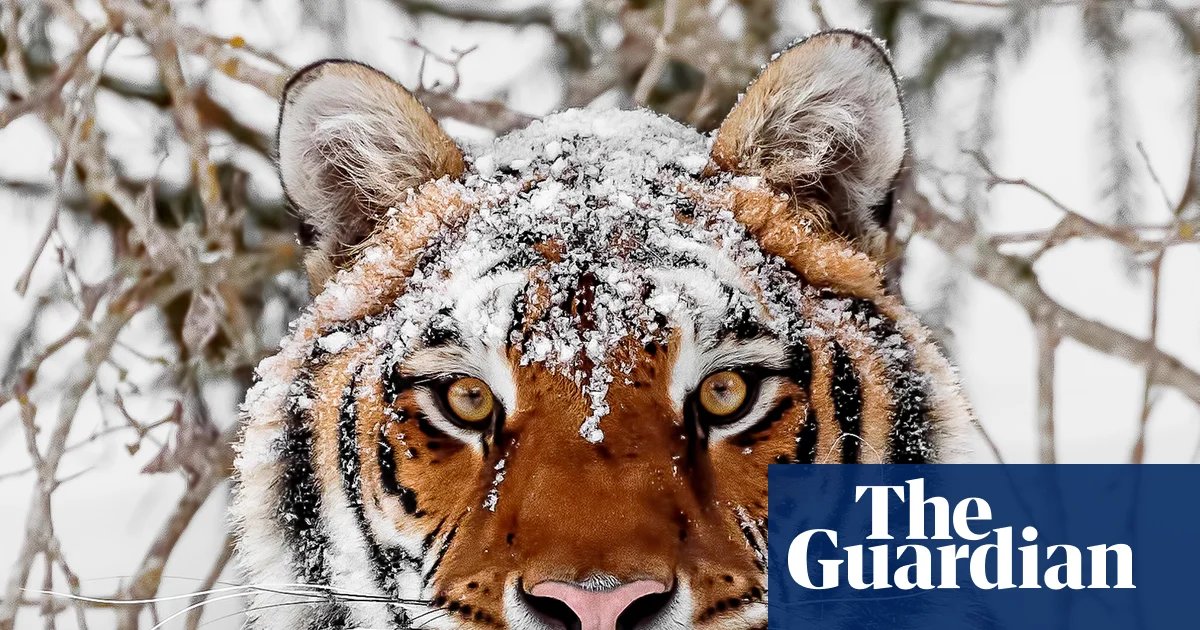
Despite these grim statistics, the report highlights a “science of hope.” Targeted conservation efforts have proven that the downward trend of biodiversity loss is reversible. The wild tiger population, for instance, has surged by more than 70% since 2010, rising from roughly 3,200 to 5,700 individuals. Similarly, both Atlantic and Pacific bluefin tuna have moved out of the “threatened” category following decades of recovery from overfishing. Furthermore, the green sea turtle has seen its status improved to “least concern” on the IUCN red list, marking a milestone after 50 years of coordinated international conservation work.
These success stories demonstrate that when action is taken, nature can recover even after being pushed to the brink. However, experts caution that conservation alone is insufficient to address the systemic scale of the problem. Dr. Mike Barrett, chief scientific adviser for WWF UK, emphasized that the fundamental systems driving nature loss—energy, finance, and food—must be transformed.
While the report notes that the world has passed a “positive tipping point” in the energy sector, as evidenced by the now-unstoppable transition toward renewable energy, the food system remains the most significant hurdle. Agriculture is currently the primary driver of habitat loss, accounting for nearly 90% of global deforestation, while simultaneously serving as a major contributor to greenhouse gas emissions.
Achieving a sustainable and healthy food system is identified as the most critical “positive tipping point” required to avert a total biodiversity collapse. Positive tipping points occur when sustainable practices become so widespread, affordable, or politically popular that progress becomes self-propelling. As the report concludes, the world is at a fork in the road: society must either continue to pay the rising price of ecological degradation or choose to invest in a future where human economic activity and wildlife can thrive in tandem.
Disclaimer: This content is auto-generated for informational purposes only.
Source: Read Original News