






The Shift Toward Open-Source Re-Engineering
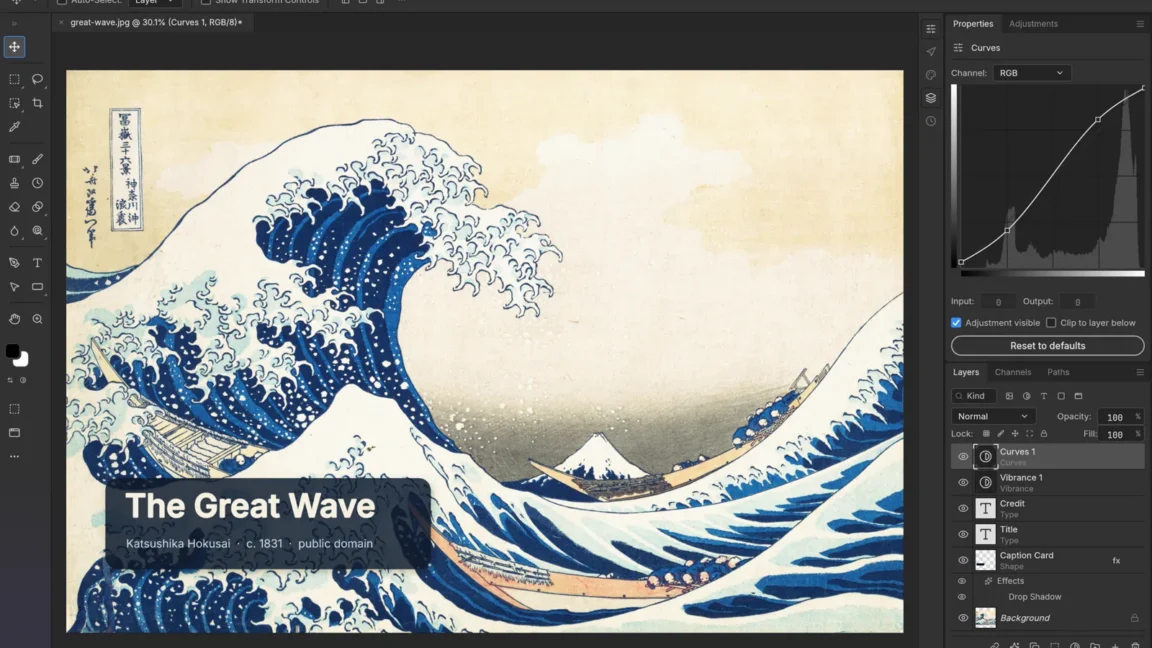
The landscape of professional creative software is witnessing a disruptive challenge, led by a developer known as Thomas, who is leveraging AI-assisted coding to build open-source alternatives to industry-standard tools. Frustrated by complex subscription models and punitive cancellation fees associated with established software providers, developers are increasingly turning to a “clean-room” approach to replicate complex functionality. By creating functional equivalents without copying proprietary code, these projects aim to provide highly performant, cross-platform tools that are distributed under open licenses like MIT and Apache.
This movement represents a significant pivot in how complex software is developed. Historically, creating a professional-grade image or video editor required years of investment from large engineering teams. Today, AI-accelerated development allows individual engineers to reverse-engineer core functionalities of massive software suites with unprecedented speed. The philosophy driving this project is one of digital sovereignty: replacing centralized, ad-supported, or subscription-gated platforms with community-owned alternatives that prioritize performance and user agency.
Funding Models and AI Integration
A central challenge for any open-source project is long-term sustainability. Without the backing of a large corporation, many small-scale software projects eventually become orphaned, losing compatibility with modern hardware and security standards. To address this, the Artcraft initiative has established a self-sustaining funding model. While the software itself remains free, the project generates revenue through a token-based system linked to a proprietary visual AI model and integrated development environment.
Users who require advanced features, such as generative imagery integration within their creative workflow, can access these specialized AI services. This revenue stream is intended to fund ongoing maintenance and development, ensuring that the software remains updated and relevant. By decoupling the core functionality—which remains free—from the optional AI-driven power features, the project intends to avoid the common pitfall of turning into a restrictive SaaS product while still ensuring the project has the resources to scale and support professional filmmakers and designers.
The Mechanics of Clean-Room Design
The technical foundation of these new tools is built on languages known for high performance and memory safety, specifically Rust. By utilizing Rust, the developers aim to provide a level of performance that matches or exceeds current industry standards while eliminating common classes of software bugs. The process of reverse engineering involves observing the inputs and outputs of established software to replicate the user experience and internal logic without infringing on protected source code.
This practice is historically established in the computing industry and is generally regarded as legally permissible, provided that the development team does not directly access or copy proprietary source code. However, the risk remains in the user interface. If a new application creates a “trade dress” that is indistinguishable from its competitor, it may invite legal scrutiny regarding copyright and brand identity. Consequently, the challenge for these new platforms is to provide a familiar workflow—enabling users to transition easily from incumbent software—without mirroring the protected design elements that could lead to litigation.
Redefining Software Development with AI
The developer behind the Artcraft initiative has been coding exclusively with AI-driven tools since early 2026, a practice that has significantly reduced the time required to architect complex systems. This transition in methodology suggests a broader trend: the democratization of high-end software creation. As AI models become more adept at writing and optimizing code, the barrier to entry for building complex, resource-heavy applications continues to drop.
Proponents of this approach argue that we are entering an era where users can demand “de-enshittified” software—tools stripped of intrusive ads, unnecessary tracking, and restrictive licensing. The stated goal is to replicate not just creative software, but the foundational layers of the internet, including search engines and infrastructure management tools. By building these systems from the ground up, developers believe they can create a more transparent digital ecosystem where the user, not the corporation, retains control over the tools they use every day.
Long-term Impact and Potential Barriers
The promise of replacing monolithic software suites is ambitious, and the transition will likely encounter several obstacles. While AI can assist in writing the code for a functional equivalent, the ongoing task of maintaining compatibility with ever-changing hardware drivers, file formats, and operating system updates is substantial. For these open-source projects to succeed, they must maintain a cadence of development that rivals the largest software companies in the world.
Furthermore, the impact of these tools will be measured by their adoption rates among professionals who rely on established workflows. Moving from a suite like Adobe Premiere to an alternative requires not just feature parity, but stability and reliability. If these projects can demonstrate that they are not mere clones but more efficient, sustainable, and user-friendly alternatives, they could force a shift in the entire software market. The vision presented here—that software, in its current restrictive form, is nearing its limits—is being tested in real-time. Whether these projects succeed or struggle against the gravitational pull of established industry standards, the underlying shift toward AI-assisted, open-source development is an indicator that the power dynamics of software production are fundamentally shifting.
Disclaimer: This content is auto-generated for informational purposes only.
Source: Read Original News