








The Arrival of Local AI Hardware
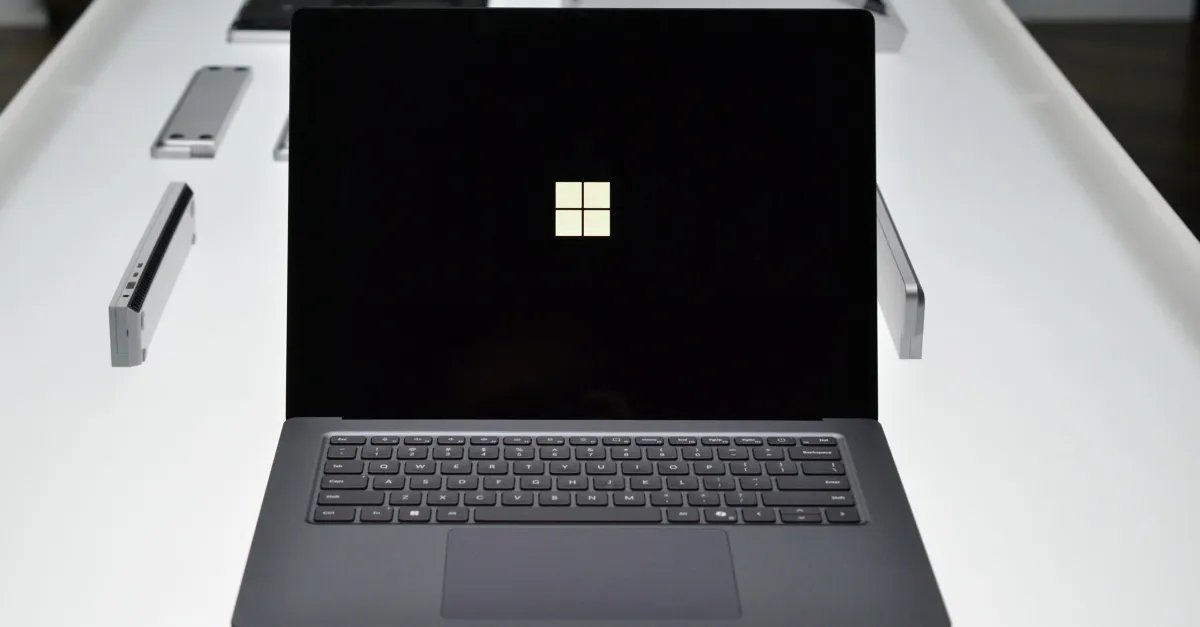
The landscape of personal computing is shifting toward a model where artificial intelligence is no longer tethered solely to remote cloud servers. Following the initial announcement in June regarding partnerships with Nvidia, Microsoft has officially unveiled the Surface Laptop Ultra and the Surface RTX Spark Dev Box. These machines are built around the Nvidia RTX Spark chip, a specialized processor designed to handle heavy AI workloads directly on the hardware. By migrating complex tasks from the cloud to the local machine, Microsoft aims to address latency, privacy, and the growing need for autonomous AI agents that operate within the user’s immediate digital environment.
The hardware rollout signals a departure from traditional mobile computing, prioritizing the raw power necessary to run large language models (LLMs) and agentic frameworks without requiring an active internet connection for processing. To support this high-performance output, these devices feature advanced thermal management systems, unified memory architectures, and high-bandwidth pathways that prevent the bottlenecks typically encountered when running intensive AI applications on standard laptop hardware.
Technical Specifications and Pricing Tiers
The Surface Laptop Ultra enters the market as a premium device, targeting professionals who require high-end performance for software development and generative AI tasks. The base models start at $2,600, scaling up to $3,700 for higher-tier chip configurations. For power users, the price can reach $5,900 when maxing out RAM and storage, a segment where Microsoft reports immediate supply constraints due to high demand.
Complementing the laptop is the Surface RTX Spark Dev Box, a dedicated workstation priced at $6,000. This machine serves as a turnkey environment for engineers. It comes pre-installed with a suite of essential development tools, including VS Code, GitHub Copilot CLI, Windows Subsystem for Linux (WSL), and PowerShell 7. This hardware is specifically optimized for the lifecycle of AI agent development, providing the compute density required to train, test, and run persistent agents locally. In a strategic maneuver to attract professional users away from competing platforms, Microsoft is incentivizing the transition with a trade-in program offering up to $1,000 for users switching from MacBook Pro devices.
The Role of Execution Containers
A critical component of this new hardware ecosystem is the integration of “Execution Containers” within a revamped version of Windows 11. CEO Satya Nadella emphasized that simply possessing an AI model is insufficient for modern workflows; the true challenge lies in orchestration. The new Windows architecture allows developers to sandbox AI agents within these containers, providing a secure and controlled space for agents to operate, interact with local memory, and access specific system context without risking system-wide instability.
This containerization approach is designed to create a layer where models can safely access and utilize information across different applications. By enabling this functionality at the platform level, Microsoft is positioning Windows as the primary host for agentic workflows. These features are not limited to the new high-end hardware; Microsoft intends to bring Execution Container support to the broader Windows 11 user base, facilitating a ecosystem where third-party developers can deploy their own autonomous agents that rely on local security and compute resources.
Industry-Wide Integration and OEM Support
The shift toward local AI is not exclusive to the Microsoft Surface line. The partnership ecosystem announced earlier this year is already yielding results from major hardware manufacturers. Dell has confirmed the rollout of the Dell XPS 16 Creator Edition, which also leverages the RTX Spark chip. Priced at $3,800, this machine is currently available for preorder with deliveries slated for late October.
This multi-vendor approach suggests a broader strategy to establish a standard for “AI-ready” PCs. By aligning with industry giants like Dell, Nvidia and Microsoft are aiming to standardize the hardware requirements for local AI, ensuring that software developers can build applications with the assurance that their code will run consistently across a range of high-performance machines.
Use Cases and Long-term Impact
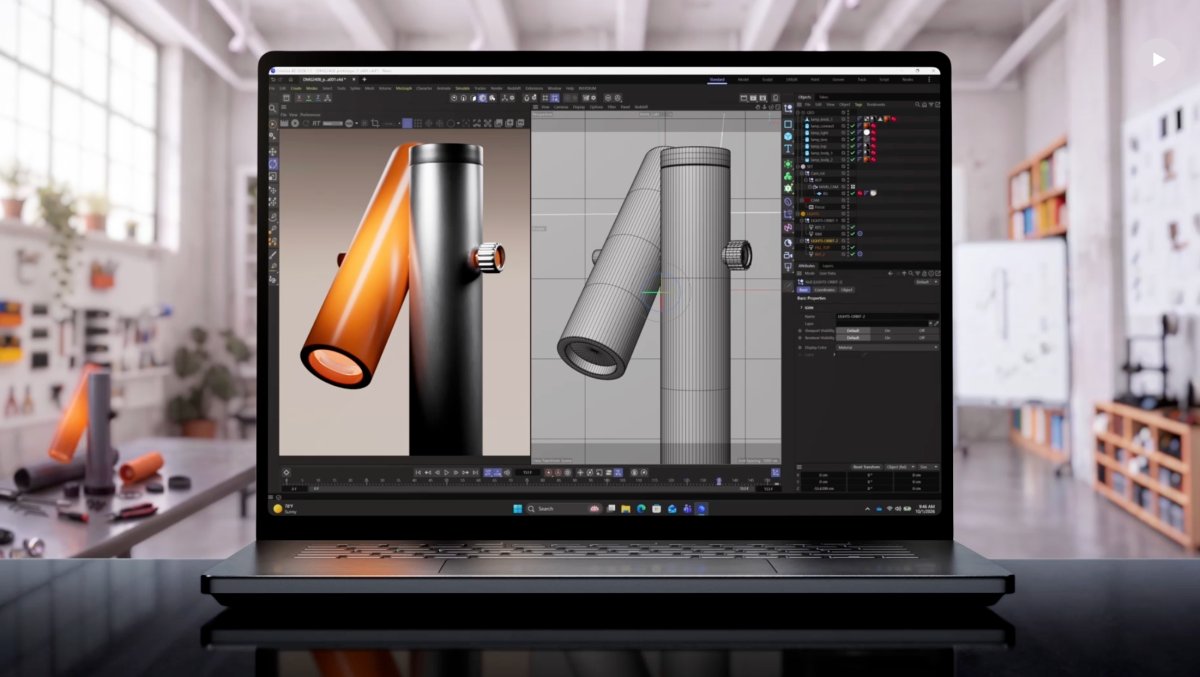
While these devices are being marketed primarily to developers, the underlying technology is versatile. Beyond the immediate application of agent orchestration, the high-performance graphics and processing units on these machines are equally capable of handling traditional intensive tasks such as high-resolution video rendering, advanced content creation, and real-time gaming.
The shift toward local processing represents a fundamental change in how AI will be integrated into daily productivity. By reducing dependency on cloud infrastructure, these devices offer significant benefits in terms of data sovereignty and security. Sensitive data remains on the physical machine, reducing the risk of exposure during transmission to external servers. As these hardware platforms mature, the ability for local agents to manage complex workflows—such as automating file organization, orchestrating communication between software tools, and performing predictive analysis—could redefine the definition of a personal computer, moving the device from a passive tool to an active, intelligent participant in the user’s workflow.
Disclaimer: This content is auto-generated for informational purposes only.
Source: Read Original News