









The Evolution of Native Spam Mitigation
For years, the nuisance of unsolicited telemarketing and fraudulent robocalls has plagued mobile users. While third-party applications were once the standard defense against these intrusions, the landscape has fundamentally shifted. Modern mobile operating systems, including Android and iOS, have integrated robust, system-level defenses that render many external services redundant. By leveraging carrier-provided data and on-device machine learning, these built-in tools provide a frictionless experience that eliminates the need for auxiliary subscriptions or privacy-compromising permissions.
The primary advantage of relying on native tools lies in their integration with the operating system’s kernel and communication framework. Third-party applications often require extensive access to contacts, call logs, and network traffic, which creates potential privacy risks. In contrast, native features operate within the secure sandbox of the phone’s firmware. Furthermore, major cellular carriers now perform real-time verification of incoming signals, allowing them to flag suspicious numbers at the network level before the device even registers an incoming request.
Securing the iOS Ecosystem
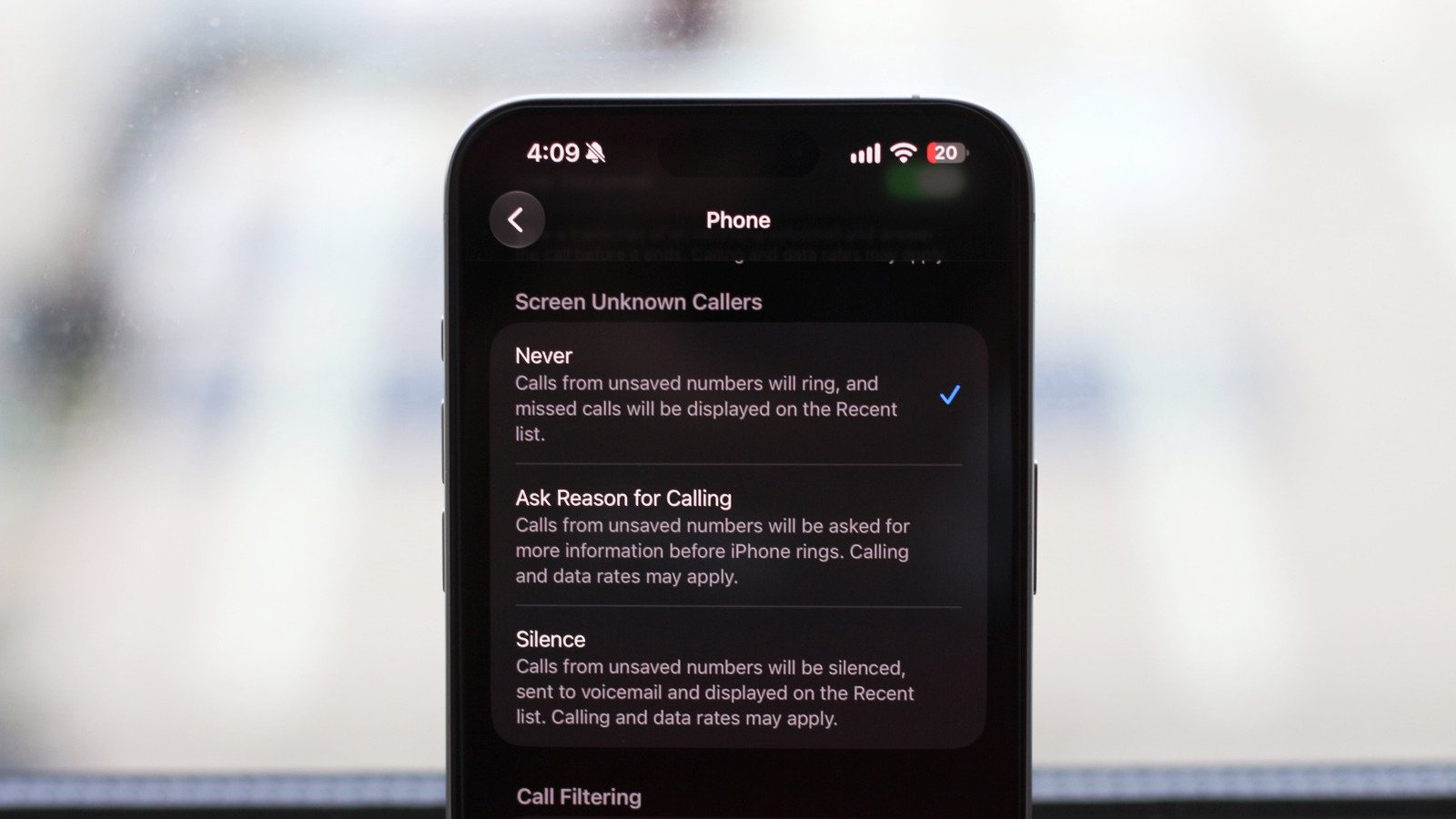
Apple has significantly expanded its suite of telephony management tools in recent iterations of iOS. Users looking to minimize unwanted distractions should navigate to the Settings menu, select the Phone application, and focus on the Call Filtering section. By enabling the primary Spam toggle, the operating system cross-references incoming identifiers with databases provided by the cellular provider. When a match occurs, the device suppresses the ring, automatically shunting the call to voicemail. These entries are then segregated into a dedicated folder within the Phone application, ensuring the main call log remains organized.
Beyond basic spam identification, iOS offers a sophisticated mechanism for managing unknown callers. Activating the Unknown Callers filter moves all numbers not found in the user’s contact list into a secondary category. This prevents the primary call log from becoming cluttered with high-volume, low-value interactions. For users who need to verify the nature of a call before deciding to engage, the Call Screening functionality represents a major advancement. This feature forces callers not listed in the contacts to state their purpose. The device provides a real-time transcript of the incoming audio, allowing the user to judge the legitimacy of the inquiry without revealing their presence to the caller.
Carrier-Level Defense Mechanisms
While the handset itself manages the user interface and logic for filtering, the underlying data originates from the carrier. Most Tier-1 network providers now offer dedicated infrastructure for spam detection. Depending on the carrier, these services may be active by default, utilizing STIR/SHAKEN protocols—a set of technical standards designed to authenticate caller ID information and prevent spoofing.
If these protections do not appear to be functioning, users should access their carrier’s administrative portal or proprietary mobile application. In many instances, there is a specific toggle for spam protection services. Activating this ensures that the carrier’s centralized network intelligence is communicating directly with the smartphone’s OS. This dual-layered approach—where the carrier identifies the threat and the device manages the user experience—is significantly more efficient than manual blocking or third-party interventions.
The Importance of Contextual Management
Effective use of these tools requires a disciplined approach to contact management. Because native filters are designed to err on the side of caution, they operate most effectively when the contact list is comprehensive. Users should ensure that essential services, such as healthcare providers, educational institutions, and professional contacts, are saved as entries. If these numbers are left unsaved, they may be caught in the sweep of strict filtering policies, leading to missed critical communication.
It is helpful to treat the contact list as a whitelist. By prioritizing the inclusion of legitimate, non-personal numbers, users create a clear distinction between verified human or institutional communication and automated spam. This administrative maintenance is a small price to pay for the reduction in interruptions. Users who occasionally receive legitimate calls from unknown numbers can utilize the feature that allows these interactions to be marked as known, effectively updating the user’s personal database of trusted callers.
Technological Impact on User Experience
The shift toward native spam protection reflects a broader trend in mobile technology: the internalization of utility once provided by separate apps. By reducing the reliance on third-party software, mobile manufacturers have effectively streamlined the user experience. This reduction in overhead leads to improved battery efficiency and better privacy outcomes, as fewer processes are required to monitor incoming signals.
The impact of these features extends beyond mere convenience. By filtering out malicious attempts at fraud, phishing, and social engineering, these tools serve as a critical layer of cybersecurity. As artificial intelligence continues to make the generation of synthetic voice calls more convincing, the reliance on real-time, network-backed identification becomes paramount. Native spam solutions are not merely convenient; they are a necessary adaptation to an environment where the frequency and complexity of automated communication continue to grow. Users are encouraged to audit their telephony settings regularly to ensure they are utilizing the most current security implementations provided by their platform and carrier.
Disclaimer: This content is auto-generated for informational purposes only.
Source: Read Original News