







CRITICISM HAS erupted in the wake of India’s commanding eight-wicket victory over the West Indies in the opening T20I in Lucknow, as former national opener Aakash Chopra publicly clashed with the team management’s selection policy. While the squad’s performance on the field was largely dominant, the decision to leave rising all-rounder Nitish Kumar Reddy on the bench has sparked a fiery debate regarding the long-term vision of the side.
India’s clinical dismantling of the West Indies—bowling them out for a modest 171 and chasing the total with over five overs to spare—would typically signal a perfect start to a five-match series. However, the absence of Reddy, a talent earmarked for future stardom, left a sour taste for Chopra.
## The Nitish Kumar Reddy Dilemma
Speaking on his widely followed YouTube channel, Chopra didn’t mince words about the team’s current direction. “Personally, I would put my hand up. I thought Nitish Kumar Reddy should have been played. If you are not going to play Nitish now, when are you going to play him?” he questioned.
Chopra’s frustration stems from a perceived disconnect between his assessment of the team’s needs and the current selection strategy. With India looking to groom multi-dimensional players, Reddy represents exactly the kind of prospect that arguably requires immediate exposure at the international level to transition from a domestic standout to a staple of the national side. By opting for a more established lineup, the management may be favoring short-term stability over the essential development of a high-ceiling prospect.
## Naman Dhir: The Silver Lining
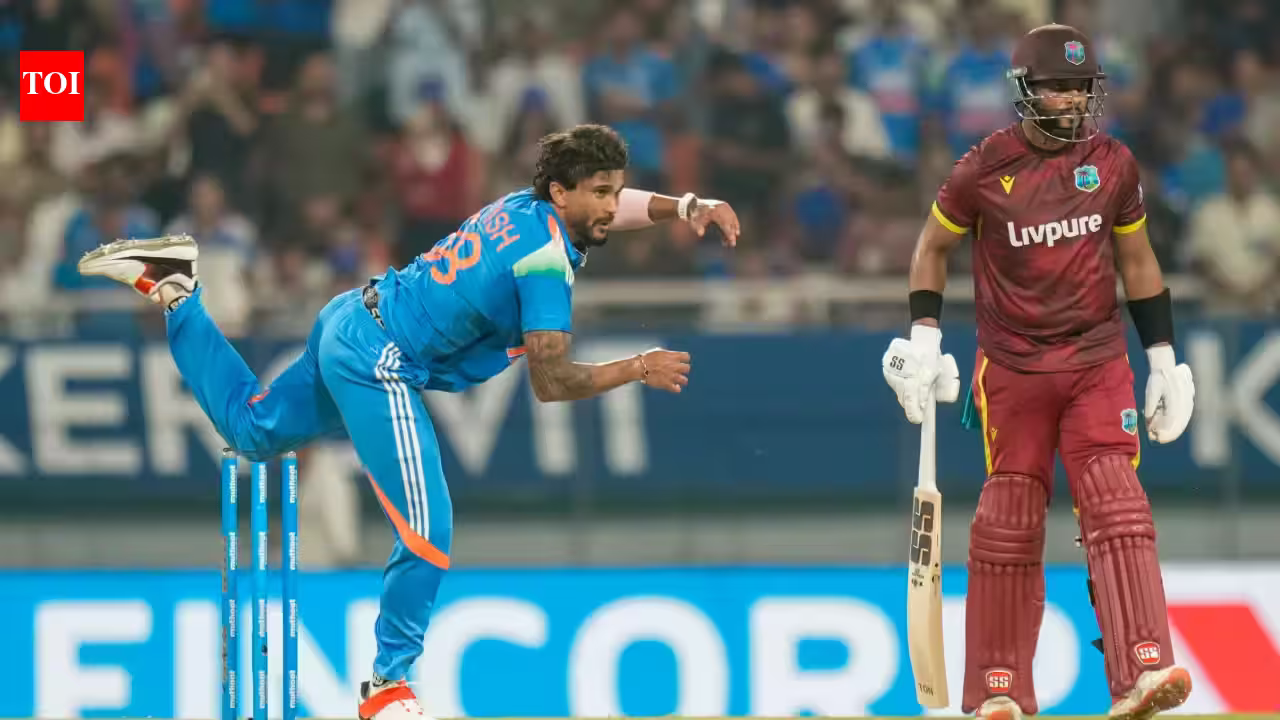
Despite his frustration regarding Reddy, Chopra was effusive in his praise for Naman Dhir, who justified the management’s faith with a standout bowling performance. Finishing with figures of 3/31, Dhir displayed a level of tactical maturity that caught even the most seasoned analysts off guard.
Dhir’s spell was characterized by a rare ability to bounce back from adversity. In a sequence that defined his composure, he conceded a maximum only to immediately strike back on the following delivery, claiming the wickets of Shai Hope, Romario Shepherd, and Shamar Springer in succession.
“This team has great confidence in Naman Dhir. They feel this guy has a huge upside, which is correct,” Chopra noted. “He got hit for a six and bowled the next ball slightly far and slow… That tells you that the guy is thinking and is executing that skill. The seam position was good. So, a lot of things were super impressive.”
Dhir’s ability to “apply his brain”—adjusting his lengths and speeds based on the batter’s momentum—suggests he is more than just a supplementary bowler; he is an emerging thinking cricketer capable of thriving under the pressure of the international stage.
## A Missed Opportunity for the Caribbean Side
While India’s bowling attack, spearheaded by the spinning duo of Kuldeep Yadav (2/33) and Axar Patel (2/26), proved difficult to navigate, Chopra was equally critical of the West Indies’ approach. According to the former opener, the visitors were the authors of their own misfortune on a track that demanded a more aggressive batting display.
“West Indies, you didn’t bat well. This was a pitch on which 200 should have been scored easily,” Chopra remarked. “Your batting was extremely ordinary.”
The West Indies innings relied heavily on half-centuries from Shai Hope (52 off 37) and Sherfane Rutherford (56 off 34). Beyond these two, the lineup crumbled, with only Akeal Hosein and Kamil Pooran managing to reach double figures. The failure of the middle order to capitalize on the foundation laid by Hope and Rutherford left the tourists well short of a competitive total, allowing India to dictate the tempo of the game.
## The Return of Mayank Yadav
The match also served as a litmus test for fast bowler Mayank Yadav, who is returning to the fold following a stint on the sidelines due to injury. His figures of 1/40 reflected a performance that Chopra described as “rusty.”
“It felt like he was slightly rusty, as he is returning from injury and hasn’t played a lot of cricket,” Chopra observed. Yadav’s reliance on slower deliveries and his overall expensive spell suggest that while the raw pace is there, the rhythm and control expected of a primary strike bowler are still in the process of returning. With the series only just underway, the management will be hoping that more overs in the middle will help the youngster regain his lethal edge.
As the caravan moves forward, the pressure remains on the Indian management to balance the need for wins with the development of the next generation. While the series opener resulted in a 1-0 lead, the “Nitish Reddy question” remains a subplot to watch. Will the selectors stick to their guns, or will the demands of the remaining four matches force a rethink regarding the inclusion of their exciting young all-rounder? For now, the momentum lies firmly with the hosts, provided they can continue to capitalize on their depth while smoothing out the rough edges of their returning stars.
Disclaimer: This content is auto-generated for informational purposes only.
Source: Read Original News