







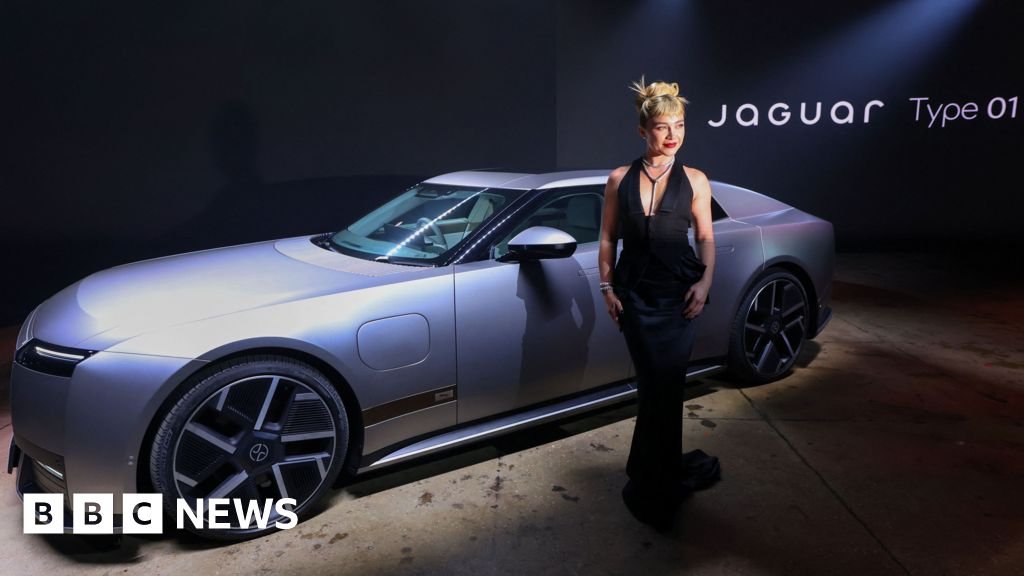
The luxury automotive landscape is currently undergoing a seismic shift, mirroring the high-stakes evolution seen in the tech industry. Just as software giants are racing to integrate generative AI to regain relevance, storied manufacturers are fighting to reclaim their heritage in an era dominated by digital interfaces and autonomous driving. Jaguar, a brand that once defined the aesthetic of the Swinging Sixties, finds itself in a precarious position, grappling with a identity crisis that resonates deeply within a modern corporate climate driven by Silicon Valley’s rapid pace of innovation.
The Digital Pivot and the Search for Identity
For years, Jaguar suffered from an eroding market position. Once the choice of icons like Steve McQueen and Brigitte Bardot, the brand’s image faded as it shifted toward a bland, functional approach that failed to excite the modern consumer. In an age where the “user experience” is defined by sophisticated software stacks and AI-driven infotainment systems, Jaguar struggled to compete with the seamless integration offered by German rivals like Audi and BMW.
While its competitors doubled down on digital ecosystems—partnering with tech titans to ensure their vehicles acted as high-performance mobile devices—Jaguar lagged behind. This struggle is emblematic of the broader tech industry’s “middle-management” trap, where legacy companies fail to transition from hardware-centric business models to the service-oriented, software-defined future. As Google continues to expand Android Automotive OS across the industry, the pressure on brands like Jaguar to pivot to a cloud-first infrastructure has never been greater.
AI Integration as the New Benchmark for Luxury
The revival of a legendary badge in today’s economy requires more than just premium leather and powerful engines; it requires an intelligent interface that anticipates driver needs. Modern luxury is increasingly measured by how well a vehicle utilizes artificial intelligence to optimize battery performance, suggest navigation routes via Google Maps integration, or offer personalized cabin environments.
Jaguar’s previous inability to capture the attention of corporate executives stems from a failure to recognize this shift. A car is no longer just a luxury asset; it is a node in a vast internet-of-things (IoT) network. Tech industry analysts suggest that for Jaguar to regain its luster, it must stop mimicking the standard SUV designs of the early 2000s and instead lead with a “digital-first” philosophy. This means leveraging machine learning to refine autonomous driving features and creating an AI-backed cockpit that feels as intuitive as the latest smartphone ecosystem.
Overcoming the Legacy Tech Debt
The challenge facing Jaguar is akin to “technical debt”—the implied cost of additional rework caused by choosing an easy, suboptimal solution now instead of a better approach that would take longer. By clinging to outdated market perceptions and traditional manufacturing hierarchies, Jaguar allowed itself to be sidelined by rivals who embraced the tech-centric “disruptor” model.
However, the tide may be turning. As the automotive industry shifts toward full electrification, the playing field is being leveled. New software-defined vehicle architectures allow brands to bypass years of mechanical baggage. By collaborating with major tech platforms and prioritizing seamless connectivity, Jaguar has a rare window to redefine what “British cool” means for the 21st century.
For the brand to succeed, it must embrace the reality that the next E-Type will not be judged solely by its silhouette, but by the intelligence of its software and its ability to integrate into the modern digital lifestyle. Whether Jaguar can bridge this gap between its storied past and the AI-driven future remains the industry’s most compelling narrative. The move away from stagnant corporate sales and toward a tech-forward identity is not just a marketing decision—it is a survival necessity in a world where software is the new engine of prestige.
Disclaimer: This content is auto-generated for informational purposes only.
Source: Read Original News