







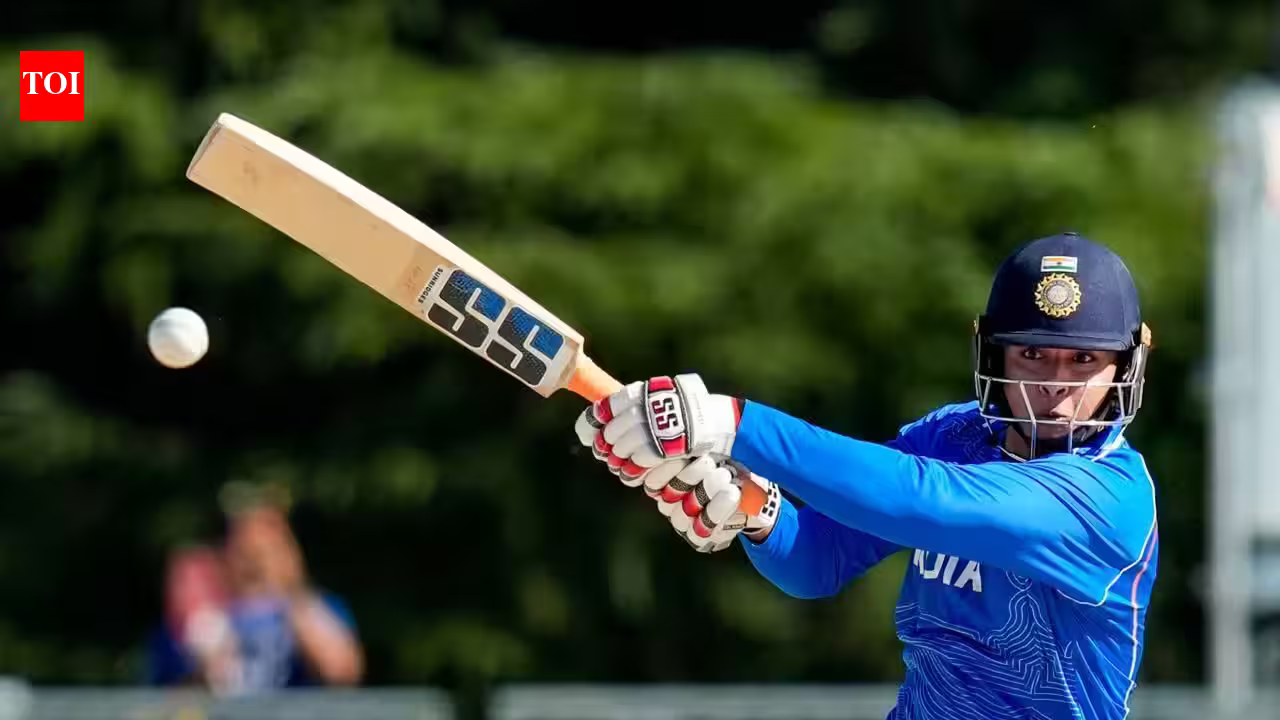
NEW DELHI: One will have to feel for 15-year-old Vaibhav Sooryavanshi. The cricketing prodigy, who has captured the collective imagination of Indian fans with his explosive stroke play, currently finds himself navigating the most difficult phase of any young athlete’s career: the limbo of the sidelines.
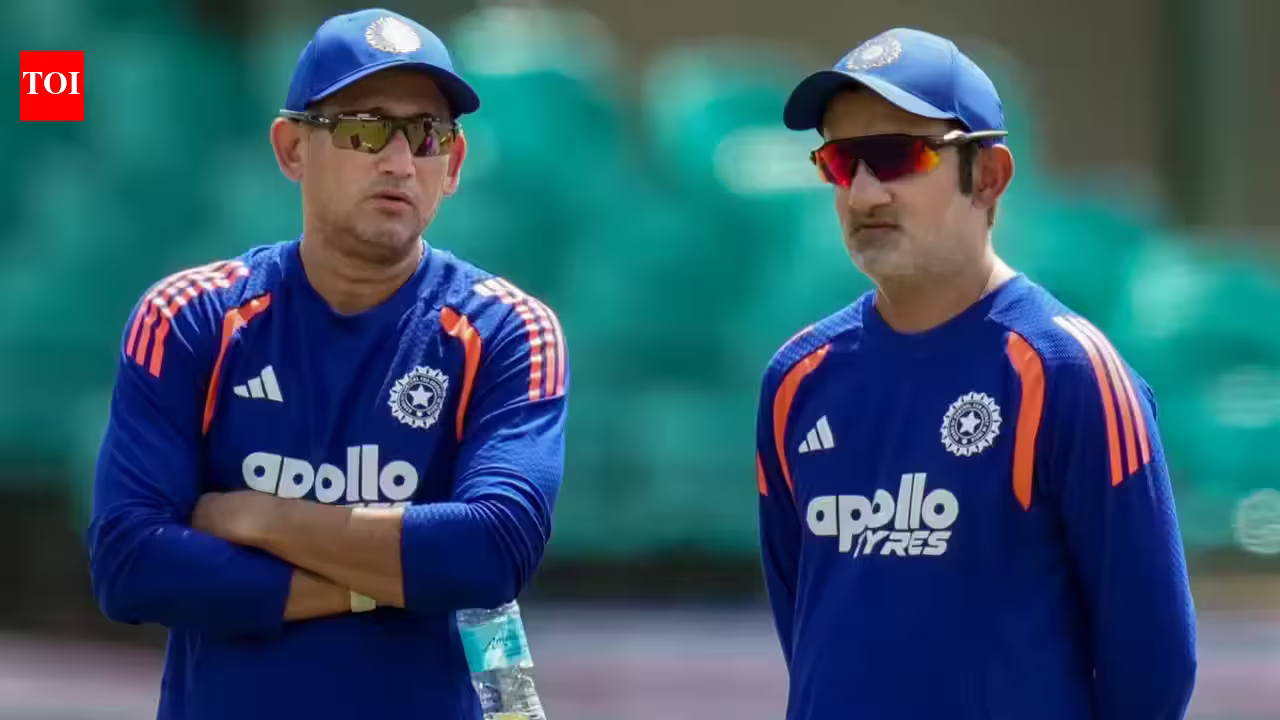
During the tenures of VVS Laxman, Sooryavanshi was a recurring figure in the Indian setup, featuring prominently in tours to Zimbabwe and the 2026 Asian Games in Aichi-Nagoya, Japan. Such was the team’s commitment to his development that seasoned campaigner Sanju Samson frequently shuffled down to the No. 3 spot to accommodate the teenager in the starting XI. However, the winds have shifted since the return of head coach Gautam Gambhir for the West Indies T20I series. The teenager has been relegated to the bench, serving as a stark reminder of the cold, meritocratic reality of international cricket.
The Gambhir Doctrine: Trust and Timing
While Sooryavanshi made his international debut under Gambhir’s watch during the England tour earlier this year, the head coach has remained steadfast in his messaging: patience is a prerequisite for greatness. Gambhir has made no secret of his unwavering faith in Sanju Samson, the man who earned Player of the Tournament honors during India’s successful 2026 T20 World Cup campaign.
In a recent interview with Jio Hotstar, Gambhir addressed the selection dilemma with characteristic bluntness. “First of all, he [Samson] doesn’t need to give me any credit. His talent itself is enough for him to be in the dressing room. He’s shown what he’s capable of. Someone doesn’t become a Player of the Tournament in a World Cup without having the talent. So he’s done enough.”
Regarding Sooryavanshi, Gambhir’s stance is equally unequivocal. “From Vaibhav’s point of view, it was again a very clear conversation that he has to wait for his opportunity. We know the kind of talent he has. We know what he can do.”
A Test of Temperament
The tension between youthful exuberance and established pedigree was on full display during the first T20I against the West Indies. With Sooryavanshi watching from the dugout, Samson opened the batting alongside Abhishek Sharma, only to fall for a soft dismissal—a half-tracker hit straight to the fielder after just nine balls. The moment drew instant scrutiny, with commentator Ian Bishop noting the persistent inconsistency that has plagued Samson’s post-World Cup form.
Yet, for a 15-year-old superstar, the challenge now is not just physical, but psychological. Former India and Karnataka opener and sports psychologist Sujith Somasunder believes that the teenager is in a unique position where his internal narrative must evolve to keep pace with his public profile.
“Sooryavanshi has achieved what he has achieved so far on his own. Now, suddenly, his status in the cricketing world has moved to a different tangent,” Somasunder told TimesofIndia.com. “The world sees him differently, and he sees himself differently in the world. What is in his control is the only thing that we can talk about: how he manages himself in this new world that he is in.”
Somasunder emphasizes that this “waiting period” is not necessarily a negative for Sooryavanshi’s trajectory. Instead, it offers a crucial window for maturity. “Sooryavanshi has to realize that, ‘I am now going to get into the water, so I need to know how to swim.’ He needs to understand that the world he is in now is a little different from what it was before he became the ‘Vaibhav Sooryavanshi’ that everyone talks about.”
Lessons from Abroad: The Ponting Model
Drawing comparisons to international structures, Somasunder suggested that Indian cricket might benefit from a more proactive approach to nurturing young talent, similar to how Australia groomed icons like Ricky Ponting.
“In Australia, I remember Ricky Ponting was a very brash young talent. The Australian Institute of Sport identified him early as a leader,” Somasunder noted. “If they saw that he could be the future captain, they took the initiative to groom him to behave appropriately and develop the right leadership skills. Meanwhile, in our culture, which is relationship-oriented, the onus is often placed on the individual to find their way through the hierarchy.”
Somasunder argues that Indian cricket should look beyond simple performance metrics and invest in the mental architecture of its young stars. By preparing players for the pressures of fame and the frustrations of being dropped, the BCCI could ensure that talents like Sooryavanshi don’t burn out under the intense scrutiny of the spotlight.
The Road Ahead
As the West Indies series progresses, the spotlight remains firmly on the balance between giving veterans like Samson the room to rediscover their rhythm and providing Sooryavanshi with the exposure he needs to harden his game.
Sooryavanshi has already proven he can handle the pressure of an international debut and the intensity of a major tournament like the Asian Games. Now, he faces a different type of challenge—the silence of the dressing room and the patience required to reclaim his spot. At 15 years old, if he can master the art of waiting as effectively as he handles a rising delivery, his future in the game is not just bright; it is inevitable. For now, the prodigy remains in the wings, biding his time, learning that in the world of elite cricket, the ability to wait is just as crucial as the ability to strike.
Disclaimer: This content is auto-generated for informational purposes only.
Source: Read Original News