









IRFC Inks INR 42 Billion Deal to Fuel Renewable Energy Expansion in Eastern India
In a significant move to accelerate India’s transition toward sustainable power, the Indian Railway Finance Corporation (IRFC) has announced a landmark debt financing agreement valued at INR 42 billion (approximately USD 434 million). This substantial capital infusion is earmarked for the development of cutting-edge renewable energy projects across the states of Jharkhand and West Bengal, signaling a robust commitment to bolstering the nation’s green energy infrastructure.
The strategic allocation of funds, facilitated by the government-owned financial entity, marks a pivotal shift in how state-backed institutions are channeling investments into large-scale energy storage and solar initiatives. By targeting the eastern corridor of the country, this initiative aims to address regional power demands while simultaneously reducing the carbon footprint of industrial activities in the mineral-rich regions of Jharkhand and the densely populated urban centers of West Bengal.
Strengthening Energy Security Through Solar and Storage
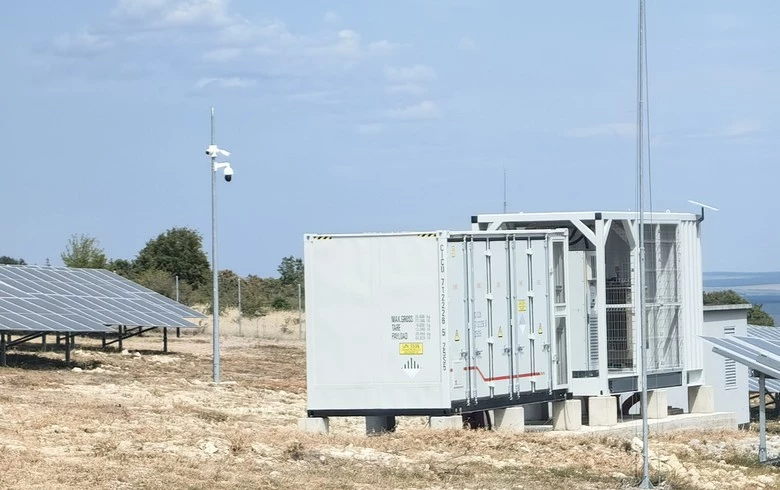
The core objective of this funding is to integrate solar photovoltaic installations with advanced battery energy storage systems (BESS). This dual approach is essential for ensuring grid stability. By pairing solar generation with storage, the projects will mitigate the inherent intermittency of renewable sources, providing a reliable and consistent supply of electricity even during off-peak hours.
Industry experts believe that this infusion of capital will serve as a catalyst for other public sector undertakings to prioritize sustainable infrastructure. The involvement of IRFC—typically known for financing rolling stock and railway development—underscores a broadening mandate that aligns with the Union Government’s “Net Zero” ambitions. As India strives to meet its aggressive renewable energy targets for 2030, such large-scale financing deals become instrumental in bridge-building between traditional financial instruments and the burgeoning green energy sector.
Regional Impact and Industrial Growth
For Jharkhand and West Bengal, the injection of INR 42 billion is expected to have a transformative effect. Jharkhand, a state historically reliant on coal, stands to benefit immensely from the diversification of its energy mix, potentially attracting further investment from green manufacturing companies seeking to utilize sustainable power sources.
Meanwhile, in West Bengal, the integration of these renewable projects is projected to support the rising demand for electricity in major industrial hubs and metropolitan areas. Beyond the immediate energy benefits, the construction and maintenance of these new solar-storage facilities are expected to generate thousands of jobs, fostering socio-economic development in the local communities where these plants will be situated.
Aligning with National Green Goals
This financial commitment arrives at a critical juncture for the Indian energy landscape. With the rising global impetus toward ESG (Environmental, Social, and Governance) compliance, IRFC’s foray into the renewable sector demonstrates a pivot toward responsible finance. By diversifying its portfolio, the corporation is not only securing long-term returns but also supporting the nationwide agenda of reducing fossil fuel dependence.
As the implementation phase begins, stakeholders will be closely monitoring the technical execution of these solar-storage hubs. The success of this initiative could potentially set a blueprint for future infrastructure financing models, proving that the synergy between government policy and public-sector funding can successfully drive the transition to a cleaner, more resilient power future for India.
Disclaimer: This content is auto-generated for informational purposes only.
Source: Read Original News