







Clarifying the Cloud Streaming Landscape for Grand Theft Auto 6
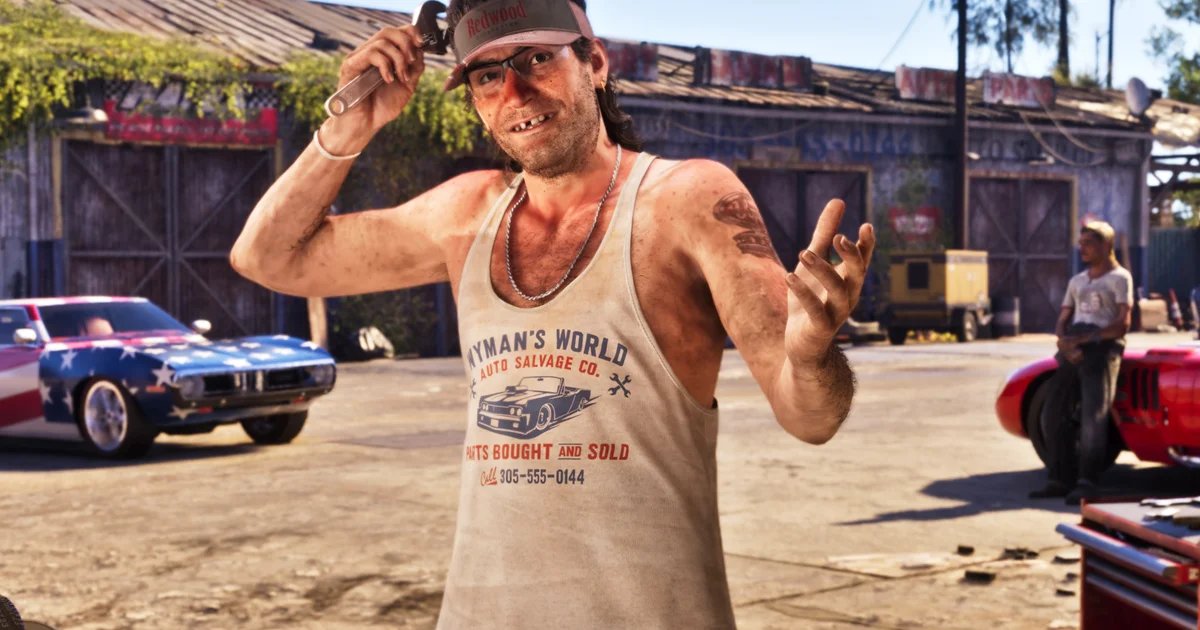
The gaming industry recently experienced a surge of speculation regarding the distribution strategy for Grand Theft Auto 6. Reports surfaced suggesting that Microsoft had secured exclusive cloud streaming rights for the highly anticipated title, theoretically allowing users to stream the game on platforms where it would not otherwise exist, such as PC. This conjecture stemmed from comments attributed to Xbox CEO Asha Sharma, who hinted at a unique initiative during an internal meeting.
However, Matthew Ball, the Chief Strategy Officer at Xbox, acted quickly to address these claims. Through a public statement, Ball explicitly denied that the company had obtained exclusive streaming rights or that the game would be accessible via the cloud on non-native hardware like PC. While he confirmed that the title is scheduled to arrive on Xbox consoles on November 19, he clarified that the rumored exclusivity deal was a misunderstanding of the platform’s broader strategy. This correction serves to realign consumer expectations with the current realities of software distribution and platform licensing agreements.
The Mechanics of Xbox Cloud Gaming
Although the rumors of cross-platform exclusivity were debunked, the focus on Xbox Cloud Gaming remains pertinent. For users, the service operates by running game software on remote high-performance server hardware, transmitting the visual output to the user’s device while receiving input commands in real-time. This technology is designed to decouple high-fidelity gaming from expensive, localized hardware requirements.
If Xbox maintains specific cloud streaming rights for its own ecosystem, it implies that users who own a copy of Grand Theft Auto 6 could potentially use the cloud to play the game on secondary devices—such as tablets or mobile hardware—provided those devices are supported by the Xbox infrastructure. This functionality is distinct from a “PC streaming” scenario, as it restricts the cloud experience to the parameters of the Xbox service framework. For the consumer, this requires two components: ownership of the digital software license and an active subscription to the appropriate cloud-enabled service tier.
Shift Toward a Sustainable Cloud Business Model
A significant transformation is currently underway within the Xbox Cloud Gaming division. Under the leadership of Asha Sharma, the service has moved away from an unrestricted, all-inclusive model toward a more structured, consumption-based framework. Recent implementation of time limits—capping users at 15 hours per month on the Ultimate tier—signals a clear transition toward operational profitability. Analysis suggests that previous models, which allowed unlimited streaming, faced unsustainable overhead costs due to server utilization and high-bandwidth requirements.
To address the fiscal realities of cloud infrastructure, Microsoft is diversifying its access model. Starting in November, the company is preparing to launch a standalone version of the Cloud Gaming service. This will decouple the streaming experience from the broader Game Pass subscription, allowing users to purchase specific blocks of playtime. This move is indicative of a broader industry trend toward “pay-as-you-go” utilities, which aims to accommodate casual gamers who do not wish to commit to recurring monthly subscriptions but still require the flexibility of remote play.
The Role of Advertising in Gaming Distribution
Beyond time-based caps and subscription restructuring, Xbox is actively experimenting with an ad-supported, free tier of its Cloud Gaming service. Currently being piloted through the Xbox Insider program, this model offers a distinct mechanism for revenue generation that does not rely solely on subscription fees. By incorporating advertisements into the streaming experience, Microsoft may provide a lower barrier to entry, potentially attracting a larger, broader demographic that is currently priced out of the premium hardware or subscription market.
Integrating advertisements into a streaming environment presents unique technical challenges, particularly regarding latency and video encoding. However, if successful, an ad-supported model could prove vital for long-term growth. It creates a secondary market for titles like Grand Theft Auto 6, allowing developers and publishers to monetize content across a wider user base. As the November launch date approaches, the integration of these features will likely serve as a benchmark for how major publishers handle the cost of cloud computing in the coming decade.
Industry Impact and Future Outlook
The current situation highlights the intricate power dynamics between platform holders and major software publishers like Rockstar Games. Despite the absence of a cross-platform streaming deal, the reliance on cloud infrastructure is an undeniable trajectory for the gaming industry. It offers a solution to the “hardware divide,” where high-fidelity experiences are often locked behind the purchase of a specific console or high-end GPU.
For Rockstar Games, the priority remains the successful launch of their title across traditional platforms. To date, no streaming partnerships have been publicly confirmed by the developer. This silence suggests that Rockstar is carefully evaluating how cloud distribution impacts the perceived value and control of their intellectual property. As the November 19 release date nears, the industry will watch closely to see if other partners—such as browser-based streaming providers or third-party hardware manufacturers—attempt to bridge the gap that Xbox has currently declined to fill. The evolution of these distribution models will ultimately determine how gamers interact with major blockbuster releases in an era defined by high-bandwidth, low-latency connectivity.
Disclaimer: This content is auto-generated for informational purposes only.
Source: Read Original News