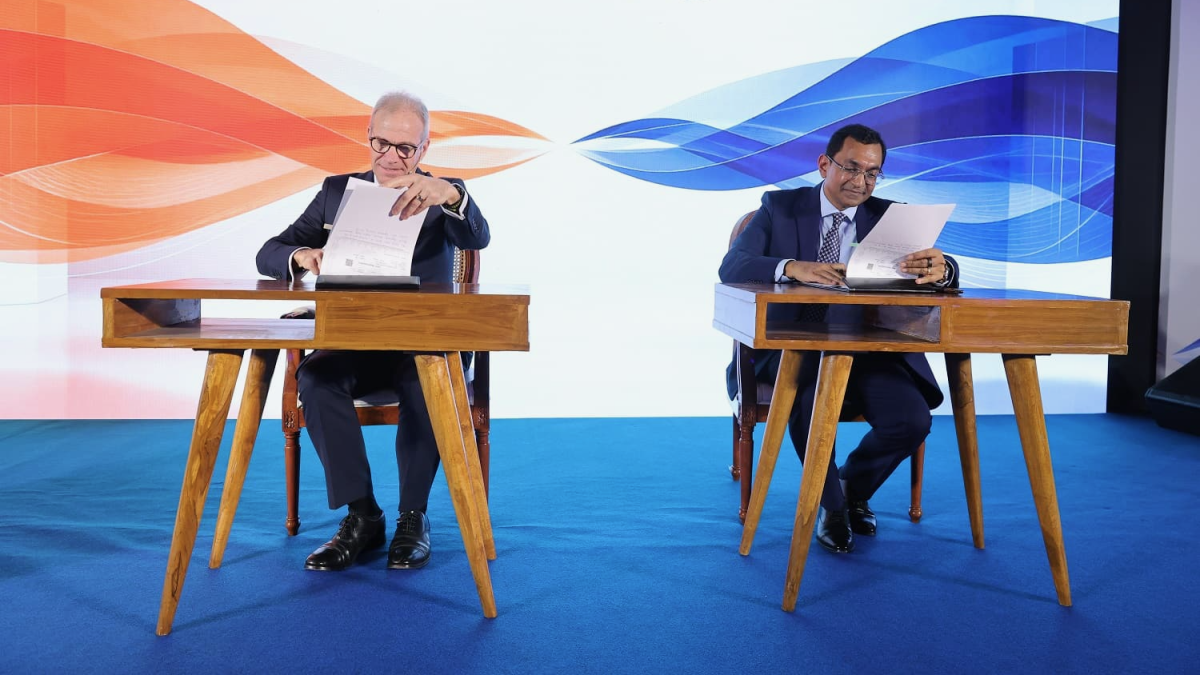









Nagaland Hydropower Push: Studio Pietrangeli Begins Work on Zungki and Lower Tizu Projects
KOHIMA – The push for sustainable energy in Northeast India has gained significant momentum as international and domestic experts commence preparatory work on two major hydropower ventures in Nagaland. Studio Pietrangeli, a global leader in dam engineering, has partnered with India-based DMR Hydroengineering & Infrastructures Ltd to spearhead the development of the 24MW Zungki and 42MW Lower Tizu hydropower projects.
The collaborative initiative represents a critical step toward harnessing the untapped water resources of the region. By focusing on these two sites, the state aims to bolster its energy security, reduce reliance on external power grids, and contribute to the broader national goals of renewable energy expansion.
Comprehensive Project Review Underway
The consultancy assignment is multifaceted, requiring a deep dive into the viability of the projects. The team is currently conducting extensive due diligence to update and refine existing Detailed Project Reports (DPRs). This process is essential for ensuring that the projects align with contemporary engineering standards and economic realities.
The scope of the work is comprehensive, covering a broad spectrum of assessments, including:
- Technical Feasibility: Evaluating the structural integrity and design requirements for the dam sites.
- Economic and Financial Analysis: Determining the long-term viability and return on investment for the state and stakeholders.
- Institutional Framework: Coordinating between local government bodies, the Asian Development Bank (ADB), and private sector partners to ensure seamless implementation.
- Implementation Strategy: Mapping out a roadmap for construction phases, logistical planning, and project timelines.
Field Mission to Kiphire
A critical milestone was reached recently with the successful completion of the first site mission. The project team, accompanied by specialists conducting environmental and social impact assessments, traveled to the Kiphire district. This remote and rugged region is home to the proposed dam sites, where the experts focused on gathering primary data that will dictate the future trajectory of the construction.
During the visit, the technical teams surveyed the topography and geology of the area. They evaluated the accessibility of the sites—a significant challenge in the mountainous terrain of Nagaland—and identified potential zones for construction infrastructure. Notably, the team also spent time exploring alternative dam locations, ensuring that the chosen sites maximize energy output while minimizing environmental footprints.
Strategic Partnerships for Development
The engagement of the Asian Development Bank (ADB) highlights the international significance of these projects. As a major financing partner, the ADB’s involvement ensures that the Zungki and Lower Tizu projects adhere to international best practices in sustainability, social governance, and community engagement.
Studio Pietrangeli and DMR Hydroengineering have emphasized that the upcoming phases of the project will rely heavily on transparent communication with local stakeholders. Integrating local institutional knowledge with global technical expertise is seen as the cornerstone for successfully navigating the logistical and cultural complexities inherent in such large-scale infrastructure projects.
As the team moves into the next stage of the assignment, the residents of the Kiphire area and the wider state of Nagaland look toward a future where these hydropower plants serve as catalysts for regional development, bringing reliable, clean electricity to one of India’s most resource-rich, yet energy-starved, frontiers.
Disclaimer: This content is auto-generated for informational purposes only.
Source: Read Original News