







India Steps Up Diplomatic Mediation to Secure Black Sea Shipping Routes
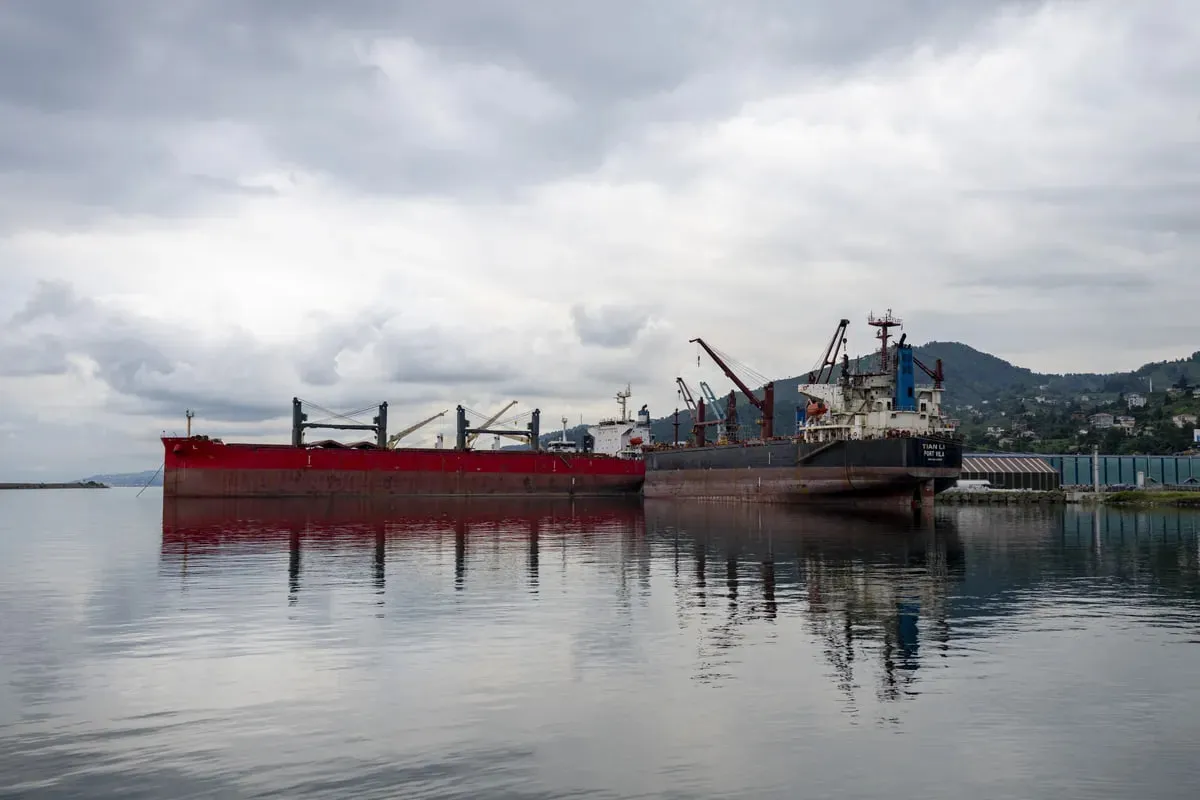
New Delhi has intensified its diplomatic efforts to mediate a resolution concerning the safety of merchant shipping in the Black Sea, as escalating hostilities between Russia and Ukraine continue to jeopardize global supply chains and the lives of maritime personnel. Indian officials are currently engaged in active discussions with both Kyiv and Moscow, aiming to establish safe transit corridors for vessels carrying critical commodities, including energy resources and grain.
The initiative follows a troubling surge in drone strikes and military incidents targeting commercial shipping. The frequency of these attacks has directly impacted Indian interests, with several sailors suffering injuries or facing life-threatening conditions during recent maritime escalations.
Addressing Humanitarian and Economic Concerns
Randhir Jaiswal, the spokesperson for the Indian Ministry of External Affairs, confirmed on Wednesday that India is seeking to play a constructive role in stabilizing the region. “We are trying to be helpful, starting with the issue of maritime safety in the Black Sea, addressing the pressing concerns of Russia and Ukraine regarding grain and energy exports, as well as the possibility of halting the attacks,” Jaiswal stated.
The gravity of the situation was underscored by a series of recent attacks on international merchant vessels. Among the incidents, the Togo-flagged ship Alfa Watan was reportedly struck, with the status of its crew remaining unclear. In another instance, an Indian sailor was injured during a strike on the Palau-flagged MV Able. Furthermore, 23 Indian nationals required emergency evacuation following a direct hit on a Liberian-registered oil tanker.
A Heightened Diplomatic Stance
External Affairs Minister S. Subramanyam Jaishankar recently emphasized that New Delhi has adopted a more assertive position in its bid to de-escalate the conflict. According to the Minister, India initiated formal outreach to both parties in July, specifically following the casualty reports involving Indian mariners on commercial carriers.
While the primary focus of these talks is the establishment of secure maritime lanes, the scope of the dialogue has broadened to encompass the facilitation of grain exports and broader energy stability—sectors where India maintains significant import interests. However, Minister Jaishankar urged a degree of cautious optimism, noting that while the discussions are ongoing, there is no guarantee that a binding agreement will be achieved in the immediate future.
Balancing Geopolitical Influence
Prime Minister Narendra Modi continues to leverage India’s strategic autonomy to push for a diplomatic conclusion to the war. During a recent meeting in New Delhi held ahead of the BRICS summit, the Prime Minister renewed his call to the Russian leadership to initiate formal negotiations with Ukraine.
As a major importer of Russian energy and agricultural products, India is uniquely positioned to act as a bridge between the two warring nations. However, the recurring threat to civilian vessels—ranging from drone warfare to naval blockades—remains a significant hurdle. By advocating for the protection of neutral shipping, New Delhi hopes to protect its own citizens working at sea while mitigating the broader economic fallout that the ongoing conflict in the Black Sea continues to impose on global markets.
Disclaimer: This content is auto-generated for informational purposes only.
Source: Read Original News