







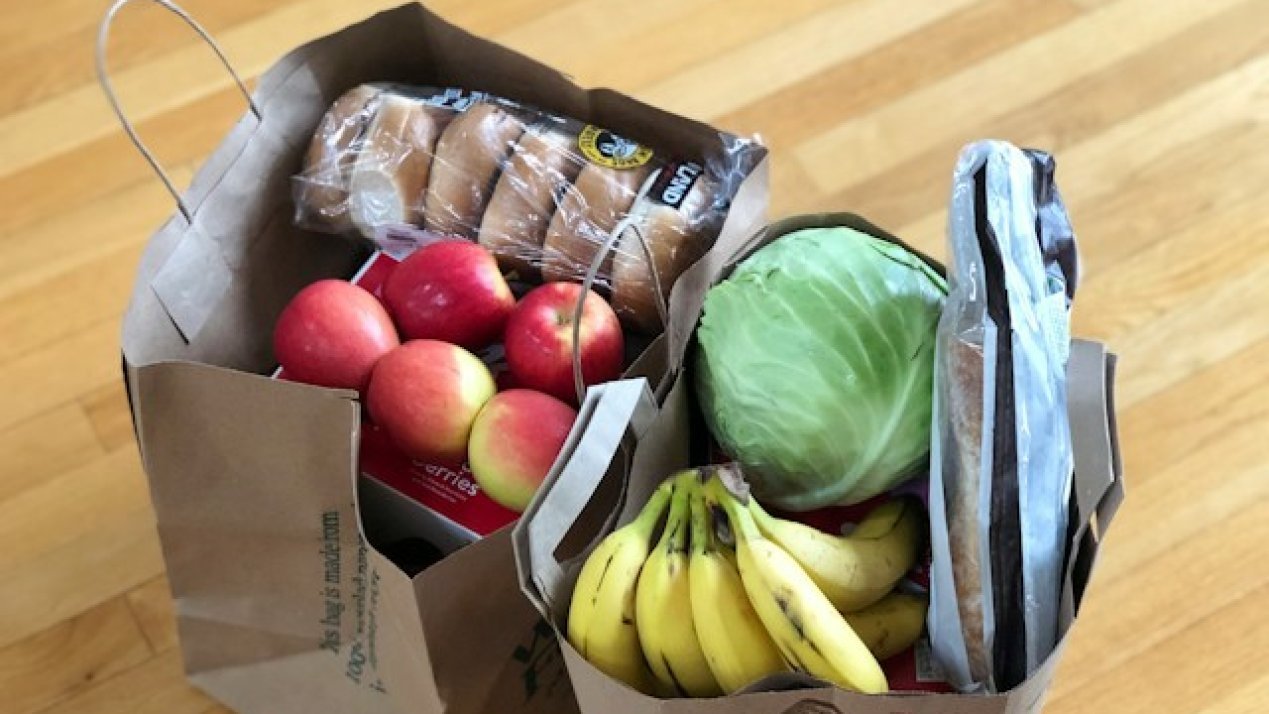
Food rescue pioneer Cheaf is pivoting its business strategy, moving beyond its digital roots to launch a series of physical storefronts in Mexico City. The startup, which has built a reputation as a digital intermediary for surplus food, is now taking direct control of inventory to combat the country’s significant food waste crisis.
This strategic evolution comes as Mexico grapples with a staggering reality: between 37% and 40% of its food production is lost or wasted annually, costing the national economy over MX$490 billion. With more than 44 million Mexicans facing food insecurity, the startup’s new physical footprint serves both an environmental and a social mission.
From Digital Marketplace to Direct Retail
Founded in 2020, Cheaf initially gained traction as an app connecting restaurants and bakeries with consumers looking for discounted, high-quality surplus food. However, the closure of e-commerce partner Jüsto in 2025 served as a catalyst for a new business model. When Cheaf took over the liquidation of the online supermarket’s remaining stock, the inventory sold out in a mere two weeks. This “market signal” convinced leadership that a hybrid approach—combining its app with dedicated brick-and-mortar locations—could scale their impact.
The company has already opened two locations in Mexico City: one in the Portales neighborhood and another inside the bustling Mercado Roma. By managing the inventory directly, Cheaf can handle products that were previously difficult to list on their digital marketplace, such as goods affected by packaging redesigns, retailer returns, or shifts in brand strategy. The startup aims to have 10 stores operational by 2026, targeting approximately US$35 million in annual revenue.
Scaling Technology for Food Sustainability
While the storefronts provide a physical channel, the underlying growth is powered by the company’s digital infrastructure. With over 8.5 million downloads across Latin America, Cheaf leverages data and tech-driven logistics to manage supply chains that were previously discarded. By shifting to a direct-management model, the company improves the frequency and volume of recovery, ensuring that thousands of kilograms of food don’t just avoid landfills, but reach consumers at about 50% of their original retail price.
The tech-enabled startup is also catching the eye of large-scale consumer goods brands. Rather than just partnering with small local bakeries or coffee shops, Cheaf is now positioned to act as a secondary sales channel for major manufacturers. With potential agreements valued at US$5 million in monthly product volume, the company is actively expanding its storage capacity to handle the incoming supply, proving that there is a massive, untapped market for “rescued” inventory.
The Triple Threat of Food Waste
The broader impact of these operations cannot be overstated. According to the UN Environment Programme (UNEP), if food waste were a country, it would be the third-largest producer of greenhouse gas emissions globally. In Mexico, the issue is systemic; households alone waste roughly 77kg of food per person every year.
Mariana Jiménez, Director General of the Mexican Food Bank Network (BAMX), emphasizes that the core problem is not a lack of food, but a broken distribution chain. By integrating its app with physical retail spaces, Cheaf is attempting to bridge the gap between industrial surplus and the population that needs it most. As the company eyes future expansion into Brazil and the United States, its model highlights how private sector innovation, supported by digital marketplaces and efficient logistics, is becoming an essential tool in the global fight against waste.
With an average annual growth rate of 100% to 150%, Cheaf is well on its way to hitting its goal of 6,000 partner establishments by the end of 2026, turning the tide on a multi-billion dollar economic and environmental loss.
Disclaimer: This content is auto-generated for informational purposes only.
Source: Read Original News