









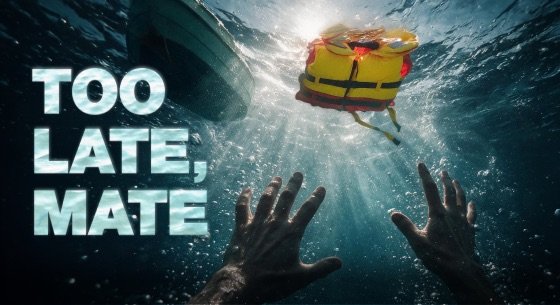
As the summer boating season approaches, Marine Safety SA is launching a high-stakes campaign to prevent tragedies on the water. With 21 lives lost in South Australian boating incidents between mid-2021 and mid-2026, officials are emphasizing a sobering reality: proper safety protocols are the single most significant factor separating a near-miss from a fatality.
The campaign centers on the importance of lifejackets and reliable emergency communication. To streamline compliance and preparation, authorities are integrating modern digital tools into the boating experience, mirroring the tech-driven safety standards seen across other mobile-first industries.
Digital Integration and Mobile Safety Tools
Boaters are being encouraged to leverage mobile technology to ensure their safety before even leaving the shoreline. Marine Safety SA is promoting the widespread adoption of the DECKEE app, a specialized platform that acts as a digital first-aid kit for mariners. Similar to how Google Maps updates users on real-time traffic and hazards, DECKEE provides boaters with vital situational awareness, including waterway conditions and localized regulations.
This digital-first approach extends to compliance as well. Through an intuitive online lifejacket selection tool, users can input their specific vessel type and activities to receive instant, accurate guidance on which safety gear is legally required. This shift toward self-service digital platforms mirrors the broader tech industry’s move to simplify complex regulatory requirements through intuitive, user-centric interfaces.
New Regulatory Shifts for Crayfishers
Effective October 1, 2026, a significant update to South Australian maritime safety laws requires everyone aboard a recreational vessel to wear a Level 100 or higher lifejacket while handling, lifting, or transporting Southern Rock Lobster (crayfish) traps.
This mandate covers all recreational vessels, from large motorboats to human-powered craft like kayaks and canoes. By digitizing the information flow regarding these rules—distributing QR-coded posters to retailers and clubs—Marine Safety SA is ensuring that this critical update is accessible via smartphone scans at the point of sale, making it easier for boaters to stay informed without needing to navigate dense legal documentation.
Tech-Enhanced Safety Clinics and Community Engagement
Technology is also taking center stage at the upcoming Club Marine SA Boat and Fishing Show, running from October 23 to 25. Marine Safety SA will host demonstrations on the main fishing stage to show boaters how to perform self-service inspections on inflatable lifejackets.
These sessions are part of a broader “Stay Afloat” initiative that combines human expertise with AI-supported, easy-to-follow inspection checklists. By teaching boaters how to check for wear, replace gas cylinders, and ensure auto-inflation mechanisms are operational, the organization is empowering the community to maintain their gear with the same level of routine care one might apply to their smartphone’s software updates.
“Every safe trip starts before leaving the shoreline,” officials noted, stressing that the integration of mobile apps and better-maintained, sensor-equipped safety gear is vital for a risk-free summer.
As Marine Safety SA continues its outreach—reaching hundreds of enthusiasts at recent events like the Riverland Field Days—the message remains clear: the intersection of responsible behavior and smart, easy-to-access safety technology is the best defense against disaster. For those heading out on the water, the message is simple: don’t wait until it’s too late to check your gear or update your safety plan.
For more information, including how to access the latest safety updates and find local clinics, visit the Marine Safety SA portal.
Disclaimer: This content is auto-generated for informational purposes only.
Source: Read Original News