






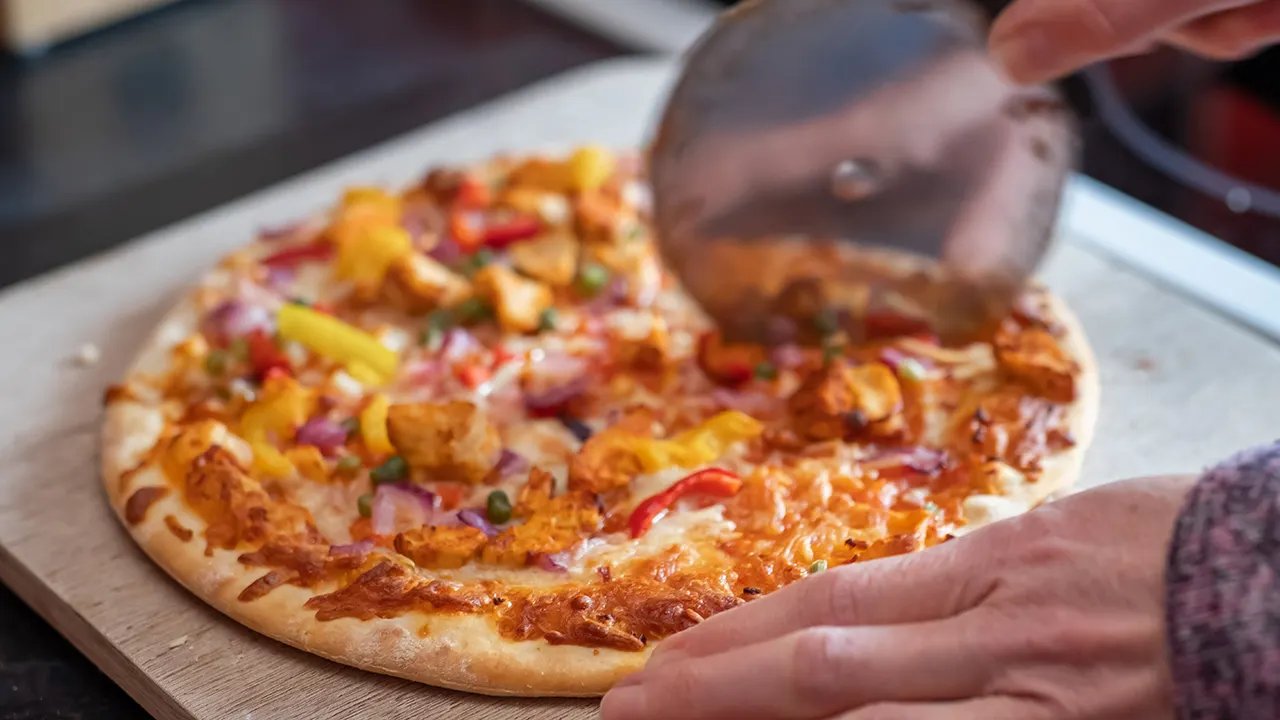
The frozen food aisle is losing a piece of its history as Conagra Brands officially pulls the plug on the iconic Celeste frozen pizza line. For decades, the budget-friendly “Mama Celeste” pies have been a staple in freezers across America, but the company confirmed during its fiscal first-quarter 2027 earnings report that it has ceased all production of the product.
This decision marks a significant pivot for Conagra as it aims to streamline its vast portfolio of offerings. For consumers who grew up with the brand, the announcement has triggered a wave of nostalgia, though the company maintains that the move is a necessary step to optimize its financial performance.
## Strategic Simplification and the End of an Era
During the earnings call held on September 30, Conagra CEO John Brase addressed the decision directly, framing it as part of a broader mandate to prune underperforming or “low-profit” brands. Brase noted that the company currently manages over 400 single-serve meal stock-keeping units (SKUs) and that the future of the organization lies in a much more simplified and productive assortment.
By exiting the Celeste category, Conagra expects to see an improvement in its overall profit margins moving forward. While the move resulted in a slight dip in first-quarter net sales—roughly 15 basis points—the leadership team views the abandonment of such brands as a critical component of their long-term growth strategy. A spokesperson for the company confirmed that while current supply chain inventory will be sold through until it is depleted, no new pizzas are being manufactured.
## AI and Digital Analytics in Modern Retail
In the broader context of the food industry, this shift highlights how major conglomerates are increasingly relying on sophisticated data analytics and artificial intelligence to refine their product pipelines. Modern consumer packaged goods (CPG) companies now utilize advanced machine learning models to track real-time shopping behaviors, inventory turnover, and margin sensitivity.
By leveraging these digital tools, companies like Conagra can identify exactly which products are losing their “future” potential before they become a significant financial drag. This analytical approach often pits historical legacy brands against the cold efficiency of data-driven forecasting. As industry leaders aim for operational excellence, the human element—the nostalgic connection a consumer has to a specific product—is frequently weighed against the rigid requirements of margin optimization.
## The Social Media Eulogy
The news of the brand’s retirement has resonated deeply on social media platforms, proving that while a product may no longer fit a corporate ledger, it remains firmly embedded in consumer culture. Instagram and other platforms have become digital memory books, with users lamenting the loss of their “childhood pizza.”
Many fans pointed to the specific “10 for $10” sales that were common in grocery stores during the 1990s as a touchstone of their youth. Others shared personal stories of how the budget pizzas were a constant presence in their grandmothers’ homes. These testimonials serve as a reminder that for many shoppers, brand loyalty is less about the product’s current profit margin and more about its connection to past traditions and family memories.
As the final boxes of Celeste pizza disappear from store shelves, the brand—which traces its roots to founder Celeste “Mama” Lizio and her early Chicago-based food business—will transition from a grocery store staple to a piece of culinary history. For Conagra, the focus now turns toward the future, signaling a leaner, more digitized, and more consolidated era for the company’s vast catalog of consumer goods.
Disclaimer: This content is auto-generated for informational purposes only.
Source: Read Original News