








The Dawn of the Surface Laptop Ultra Era
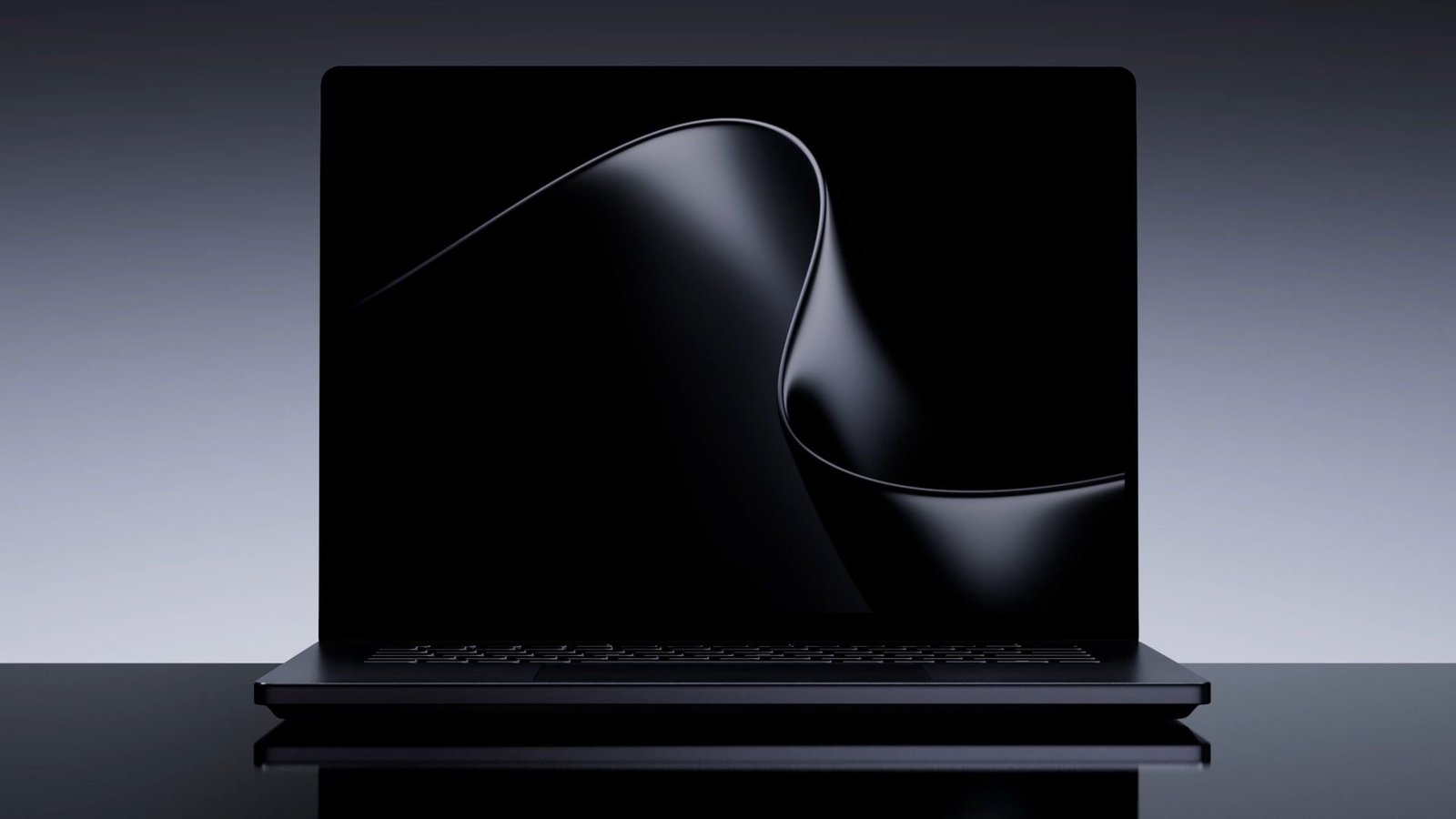
Microsoft has officially signaled a bold shift in its hardware strategy with the announcement of the Surface Laptop Ultra. Positioned as the most powerful notebook ever produced by the company, the device aims to disrupt the high-end creative and developer landscape. With a starting price of $2,599, the laptop is strategically positioned to challenge established industry leaders, specifically targeting the market segment currently occupied by premium workstation laptops. By emphasizing raw computational power, advanced thermal management, and a versatile architecture, Microsoft is making a definitive statement about its role in the professional computing sector. The device is scheduled for a market release on October 16, marking a significant milestone in the company’s push toward high-performance Arm-based computing.
Architecture Driven by the Nvidia RTX Spark
The engine room of the Surface Laptop Ultra is the innovative Nvidia RTX Spark chipset. This hardware configuration moves away from traditional x86 processor designs, opting instead for a symbiotic integration of an Nvidia Grace CPU and a Blackwell-architecture RTX GPU. The Grace CPU delivers up to 20 cores, providing substantial multi-threaded performance, while the RTX GPU boasts an impressive 6,144 cores. This combination is designed to handle intensive 3D rendering, complex software development environments, and massive AI workloads with ease.
Because the RTX Spark is an Arm-based architecture, the Surface Laptop Ultra runs the specialized version of Windows on Arm. To maintain compatibility with the vast library of existing software, the system utilizes Microsoft’s Prism emulation layer. This translation technology allows legacy x86 applications to run with minimal overhead, ensuring that developers and creators retain access to their necessary toolchains while benefiting from the power efficiency of the Arm instruction set. With support for up to 128GB of unified memory, the laptop is built to ensure that memory-intensive tasks do not become bottlenecks for professional users.
Visual Fidelity and Display Technology
Microsoft has prioritized visual precision with the Surface Laptop Ultra, implementing what it describes as its most advanced display to date. The 15-inch mini-LED touchscreen is engineered to deliver exceptional color accuracy and depth, boasting peak HDR brightness levels that outperform current industry benchmarks by 25 percent. This emphasis on display quality is critical for users involved in color grading, digital illustration, and high-fidelity video production.
The decision to make the display a touchscreen while omitting stylus support suggests a focus on gesture-based navigation and workflow efficiency rather than digital artistry. By integrating touch functionality directly into a workstation-grade display, Microsoft provides a natural interface for navigating complex timelines or massive codebases, effectively bridging the gap between traditional laptop ergonomics and modern interactive computing.
Hardware Connectivity and Modular Design
A point of contention in modern high-end laptops has been the reduction of physical ports. Microsoft has addressed this with a robust I/O strategy. The Surface Laptop Ultra features three USB-C ports, a legacy USB-A port, a dedicated HDMI port, an integrated SD card reader, and a 3.5mm headphone jack. This comprehensive array ensures that professionals can connect to peripherals, external displays, and storage media without relying on external dongles.
Furthermore, Microsoft has introduced “Magnetic Connect,” a proprietary implementation that brings magnetic charging functionality to the USB-C standard. This solution acts as a built-in magnetic USB-C charging mechanism, prioritizing cable safety and ease of use. Complementing the port selection, the laptop features a large, precision-engineered haptic trackpad and an upgradeable storage architecture. These features underline a commitment to longevity and hardware maintenance, which are often overlooked in the ultra-portable category.
Expanding the Ecosystem with the RTX Spark Dev Box
Beyond the portable form factor, Microsoft is broadening its hardware reach with the Surface RTX Spark Dev Box. Priced at $5,999, this desktop-class machine is designed to compete directly with high-performance compact workstations. Utilizing the same RTX Spark architecture, the Dev Box is capable of delivering up to 1 petaflop of AI-specific performance. This massive throughput is designed to support the training and deployment of large language models with up to 120 billion parameters, providing a dedicated local environment for AI researchers and developers who require high-density compute power without moving their workloads to the cloud.
Market Strategy and Competitive Positioning
Microsoft’s competitive strategy is not limited to hardware specifications; it also includes an aggressive incentive program to convert current users of competing hardware. By offering up to $1,000 in trade-in credit for existing MacBooks, the company is attempting to lower the barrier to entry for users considering a transition to the Windows on Arm ecosystem.
This launch occurs against the backdrop of ongoing industry rumors regarding future iterations of competing ultra-premium laptops. As Apple reportedly prepares to integrate OLED display technology and its own high-end M5-series chips into its future product lineup, the market is entering a phase of intense hardware innovation. With the Surface Laptop Ultra, Microsoft is establishing a new standard for what a Windows-based professional laptop can achieve, inviting creators and developers to reconsider their hardware foundations. The upcoming launch will serve as the primary litmus test for whether the transition to Arm-based high-performance computing can successfully satisfy the rigorous demands of the global developer and creator community.
Disclaimer: This content is auto-generated for informational purposes only.
Source: Read Original News