









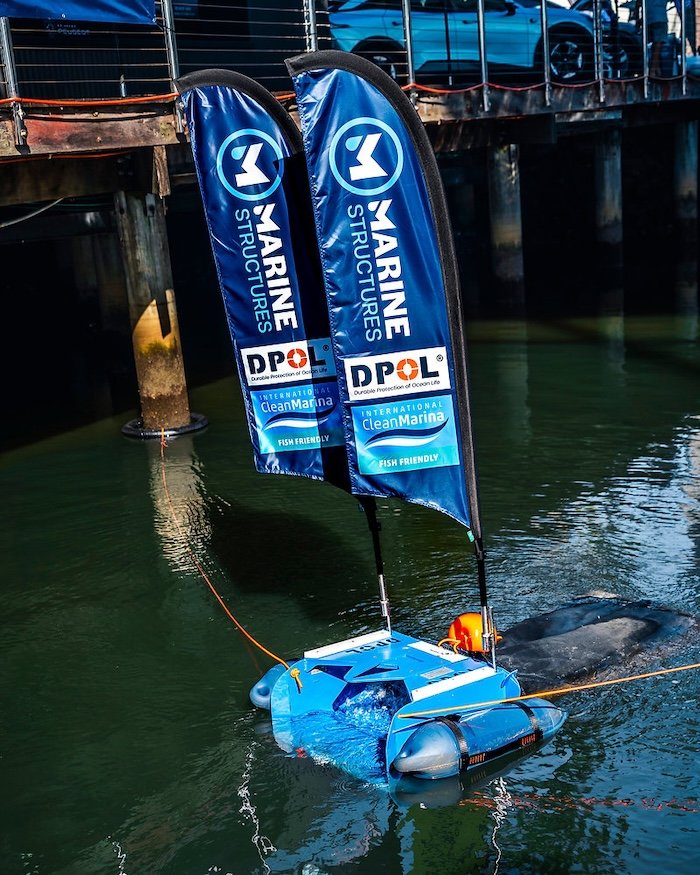
The modern definition of a sustainable marina is undergoing a radical shift, moving away from sterile, eco-branded checklists and toward data-driven, community-integrated infrastructure. According to John Hogan, Director of Marine Structures and former chair of the Global Marina Institute, the future of the industry lies not in massive capital expenditures, but in the practical application of “Destination Protection”—the fourth pillar of sustainability that focuses on making marinas lively, useful hubs for the public.
## Harnessing Low-Tech Data for High-Impact Results
For years, the industry has relied on broad, sometimes vague, definitions of sustainability that often struggle to fit into concrete business plans. Hogan suggests that the solution is to “bring sustainability back to earth” by using simple technology to gather actionable insights.
Much like how Google Analytics provides granular data on how users interact with a website, marinas can utilize basic proximity sensors and IoT devices to track real-world traffic. Measuring foot traffic at a gangway or monitoring the occupancy of a marina cafe isn’t just about security; it provides the empirical evidence needed to prove that a marina is a public-facing asset rather than a gated boat park. When marinas aggregate this data—tracking school visits, volunteer hours, and public boardwalk usage—they transform from isolated storage facilities into essential community infrastructure.
## Integrating AI and Dashboard Tech
While the industry has long relied on manual record-keeping, the next logical step is integrating these metrics into automated dashboards. By leveraging AI-driven analytics, operators can move beyond guessing and start optimizing their facilities based on user behavior. Whether it is tracking the volume of waste collected in smart bins or automating reports on pump-out station usage, technology allows for a level of transparency that fosters community trust.
Hogan envisions a framework where the Marina Industries Association (MIA) could aggregate this data to create a compelling, unified narrative for the industry. By adopting a digital-first mindset, marina operators can report on key performance indicators—such as local job creation and water quality improvements—providing the quantitative proof required to secure government support and environmental grants.
## The Shift Toward Whole-of-Life Stewardship
Sustainability is often framed as an expensive burden, but Hogan argues that the best environmental decisions are frequently the most sound commercial ones. This is where “whole-of-life” value comes into play. By choosing durable materials that minimize maintenance and designing layouts that adapt to changing vessel sizes, operators can avoid the “disposal problem” that plagues short-term, low-cost construction.
This stewardship extends to how boats are utilized. In an era where sharing economies are becoming the norm, marinas can encourage sustainability by supporting charter fleets, sailing schools, and shared ownership models. This increases the utilization of assets that might otherwise sit idle, reducing the environmental footprint of each vessel while ensuring that more people—not just berth holders—gain access to the water.
Ultimately, the goal is to create a vibrant destination that future generations will value. By combining low-cost sensors, AI-powered insights, and a focus on community connection, marinas can move past the “greenwash” of the past decade. The next phase of maritime development isn’t defined by massive new breakwaters or expensive carbon offsets, but by the discipline of measuring what truly matters and sharing that story with the world. Through transparency and data-backed stewardship, the industry can prove that a sustainable marina is a thriving, busy, and essential part of the modern waterfront.
Disclaimer: This content is auto-generated for informational purposes only.
Source: Read Original News