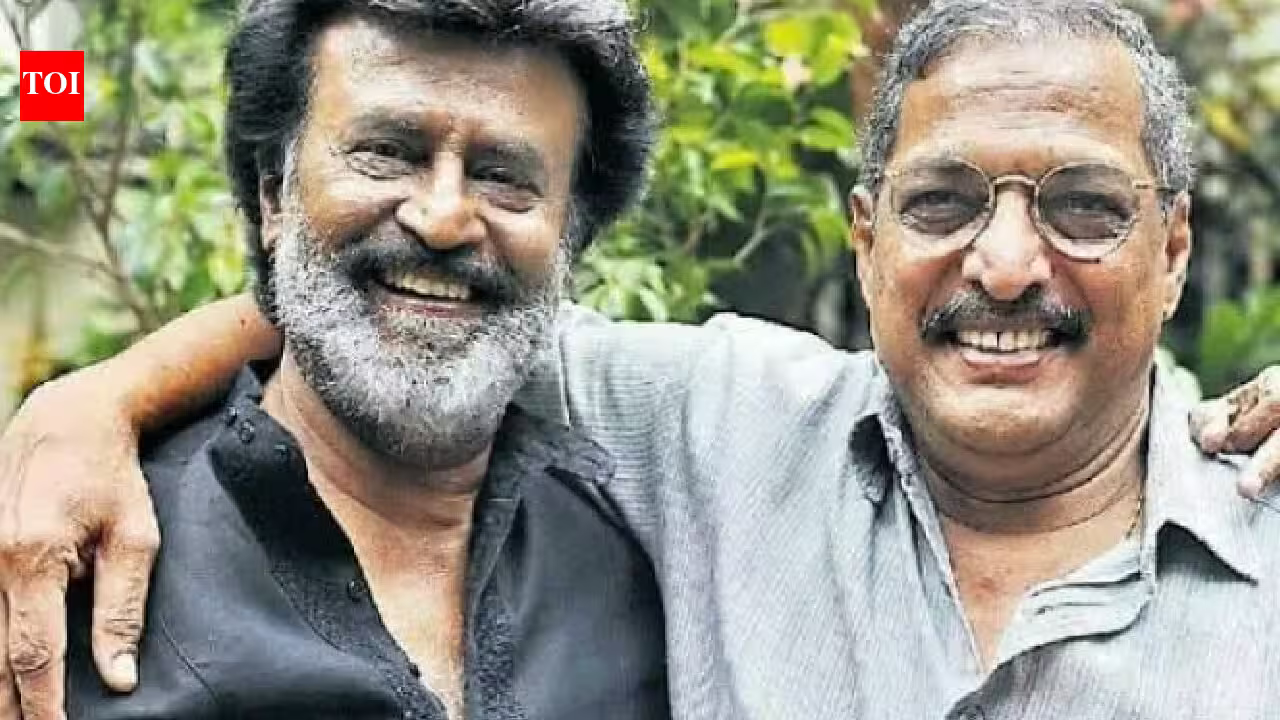
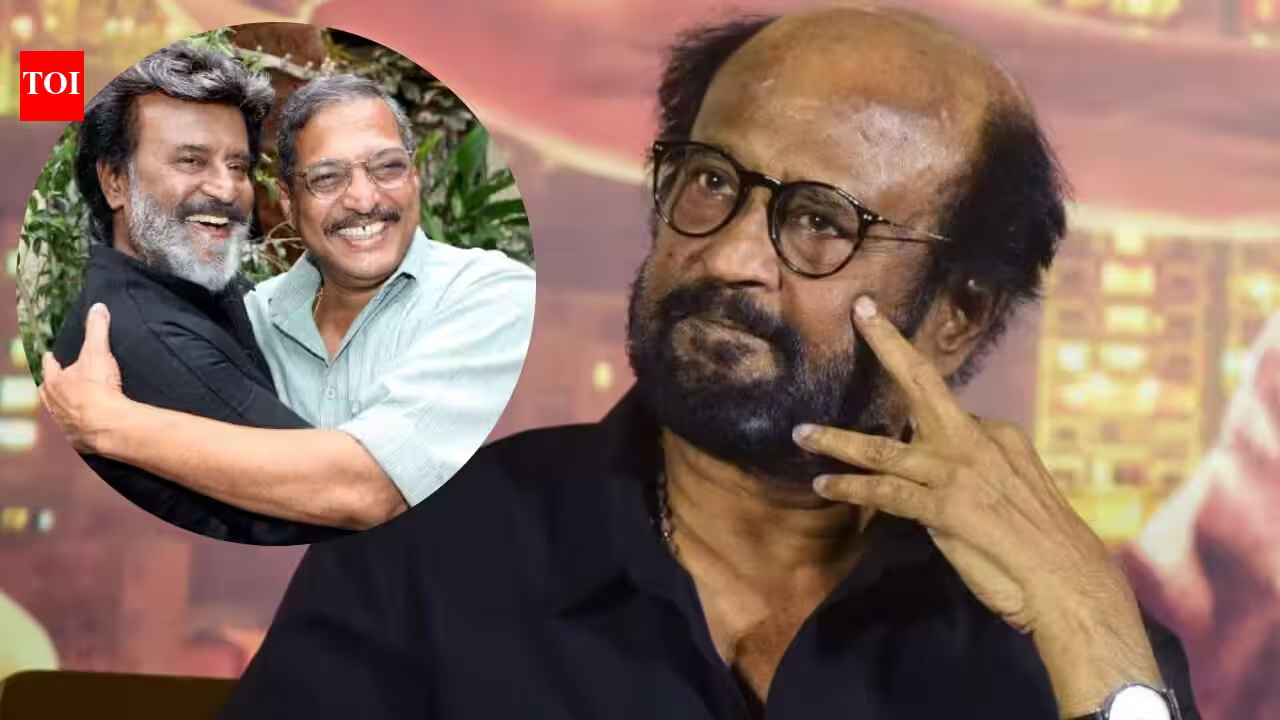







The Indian film industry is reeling under a profound sense of loss following the sudden passing of veteran powerhouse Nana Patekar. The news of his demise on the morning of October 8 at his Goa residence has sent shockwaves through the corridors of Bollywood and Marathi cinema alike. Found unconscious and declared dead upon arrival at the hospital despite heroic 45-minute efforts by medical staff to revive him, Patekar leaves behind a void that arguably cannot be filled.
As the nation mourns, with Prime Minister Narendra Modi leading the tributes and the Maharashtra government announcing a state funeral, those who knew him behind the scenes are beginning to share the quiet, human side of a man often defined by his thunderous screen presence. Among them is actress Sonali Kulkarni, whose grief is deeply personal and reflective of a bond that spanned decades, projects, and significant life milestones.
From Rivalry to a Deep-Rooted Friendship
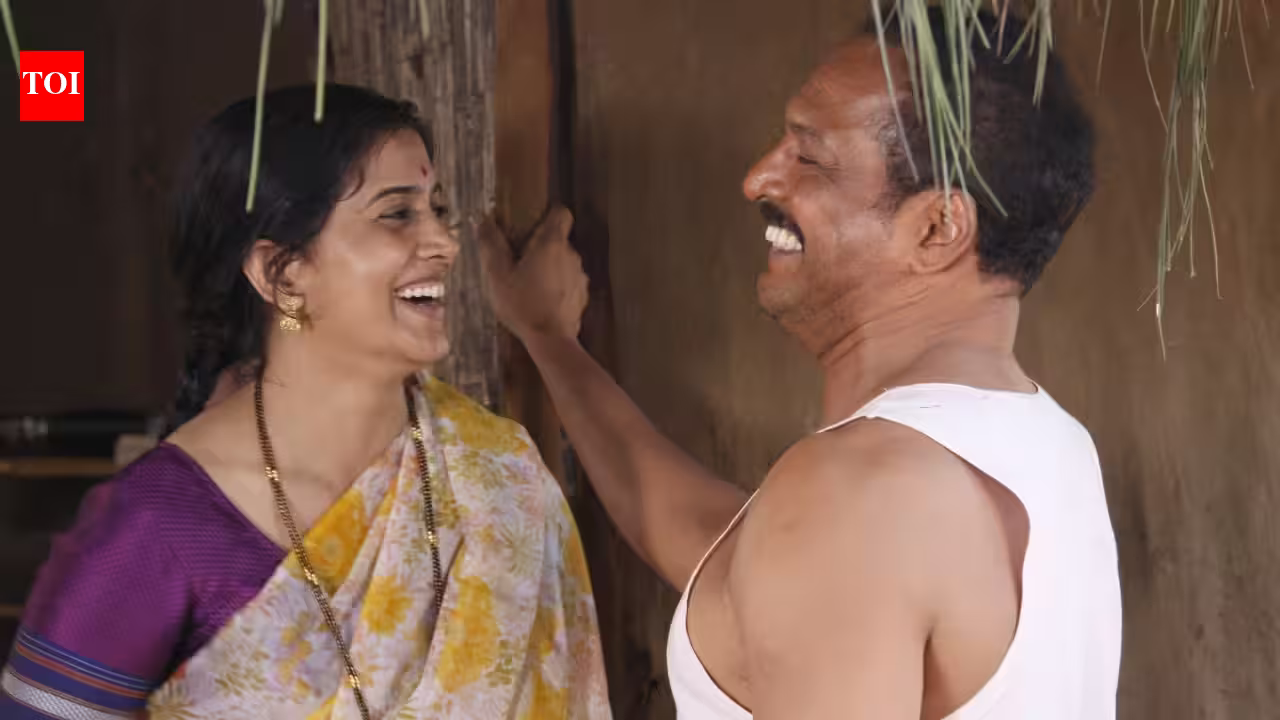
For Sonali Kulkarni, the loss is not just that of a legendary co-star, but of a mentor and a confidant. Their professional journey, which saw them share screen space in iconic films like Taxi No. 9211, Deool, and Dr. Prakash Baba Amte, was not an immediate fairytale. Kulkarni reveals that their relationship underwent a fascinating evolution—a trajectory that moved from friction to a profound, unwavering respect.
“We started by not exactly being rivals, but we started fighting,” Kulkarni shared in an exclusive conversation. “Then we came to terms with each other’s respect, and then we became friends, and later we became really, really good friends.” This evolution speaks volumes about Patekar’s character; he was not a man of superficial industry alliances. He demanded authenticity, and for those who stood their ground and earned his trust, he became a pillar of support.
The Relentless Giver Behind the Intensity
Public perception of Nana Patekar often fixated on his volatile, high-octane performances in films like Krantiveer or Parinda. However, Kulkarni paints a picture of a man whose heart was significantly softer than his public persona suggested. She describes him as a “giver”—someone who spent his life funneling his resources and energy into the service of others, from farmers to the technicians who toil behind the scenes.
“Dono haathon se dete aa rahe hain (He has been giving with both hands), but I don’t think he got the return of the love he deserved,” Kulkarni lamented. It is a poignant observation about the transient nature of fame and the often-unseen sacrifices of those who dedicate their lives to social causes. While the world watched Patekar command the screen with rage and intensity, he was quietly, persistently, working to alleviate the struggles of the underprivileged, particularly in the agricultural sector.
A Trailblazer from Nowhere
When discussing his legacy, Kulkarni emphasizes that Patekar was a true trendsetter. In an era where modern discourse is obsessed with the “outsider vs. insider” narrative, she points out that Nana Patekar was the original archetype of the man who came from nowhere. Born into a humble family, his ascent to the pinnacle of Indian cinema was fueled by raw talent and an uncompromising work ethic.
He didn’t just play characters; he inhabited them with a level of intensity that challenged his contemporaries to reach higher. Whether it was the chilling precision of Ab Tak Chhappan or the gravitas of Natsamrat, Patekar’s approach to acting was never about the glamor—it was about the craft. He brought a sense of gritty, grounded reality to roles that could have easily become caricatures in lesser hands.
A Personal Confidant and Family Man
Beyond the sets and the accolades, Patekar’s influence permeated Kulkarni’s private life. He was a presence at her book launch and a recurring figure in the lives of her husband and daughter. To be a “confidant” to a man as guarded and complex as Nana Patekar is a testament to the depth of their connection.
“I have unbelievable memories and fabulous moments that we have spent together,” Kulkarni recalls. “We have laughed, and we have cried.” These snippets of their shared history provide a human anchor to the larger-than-life figurehead of Indian cinema. He was a man who expressed himself freely to those he trusted, shedding the armor he wore for the cameras to reveal a man who was deeply reflective, occasionally melancholic, but always deeply engaged with the human experience.
The Final Curtain on an Illustrious Career
As we look back at his filmography—spanning from the visceral impact of Krantiveer to the nuanced warmth of Dr. Prakash Baba Amte—it is clear that the industry has lost one of its most versatile actors. His directorial venture, Prahaar: The Final Attack, showed he had an eye for storytelling that went beyond the script, and his late-career projects like Vanwaas and Subedaar proved that his passion for the medium had not dimmed even after decades in the limelight.
Nana Patekar was, in many ways, the conscience of the industry. He was a man who spoke his mind, often leading to controversy, but he was also a man who walked the talk when it came to altruism. As the film industry prepares to bid him a final farewell, the legacy left behind is not merely one of box office numbers or prestigious awards, but of a man who fought his way to the top, lived on his own terms, and loved his friends with a quiet, fierce loyalty.
In the words of Sonali Kulkarni, the industry has lost a star, but she has lost a dear friend. The lights may be dimming on his final performance, but the echoes of his dialogue and the impact of his philanthropy will resonate in Indian culture for generations to come. Nana Patekar didn’t just act in films; he left an indelible mark on the soul of the audience—and for that, he truly deserves the love he perhaps never fully felt he received.
Disclaimer: This content is auto-generated for informational purposes only.
Source: Read Original News