







Government Rejects Musk’s Claims of Oligarch Interference in Starlink Rollout
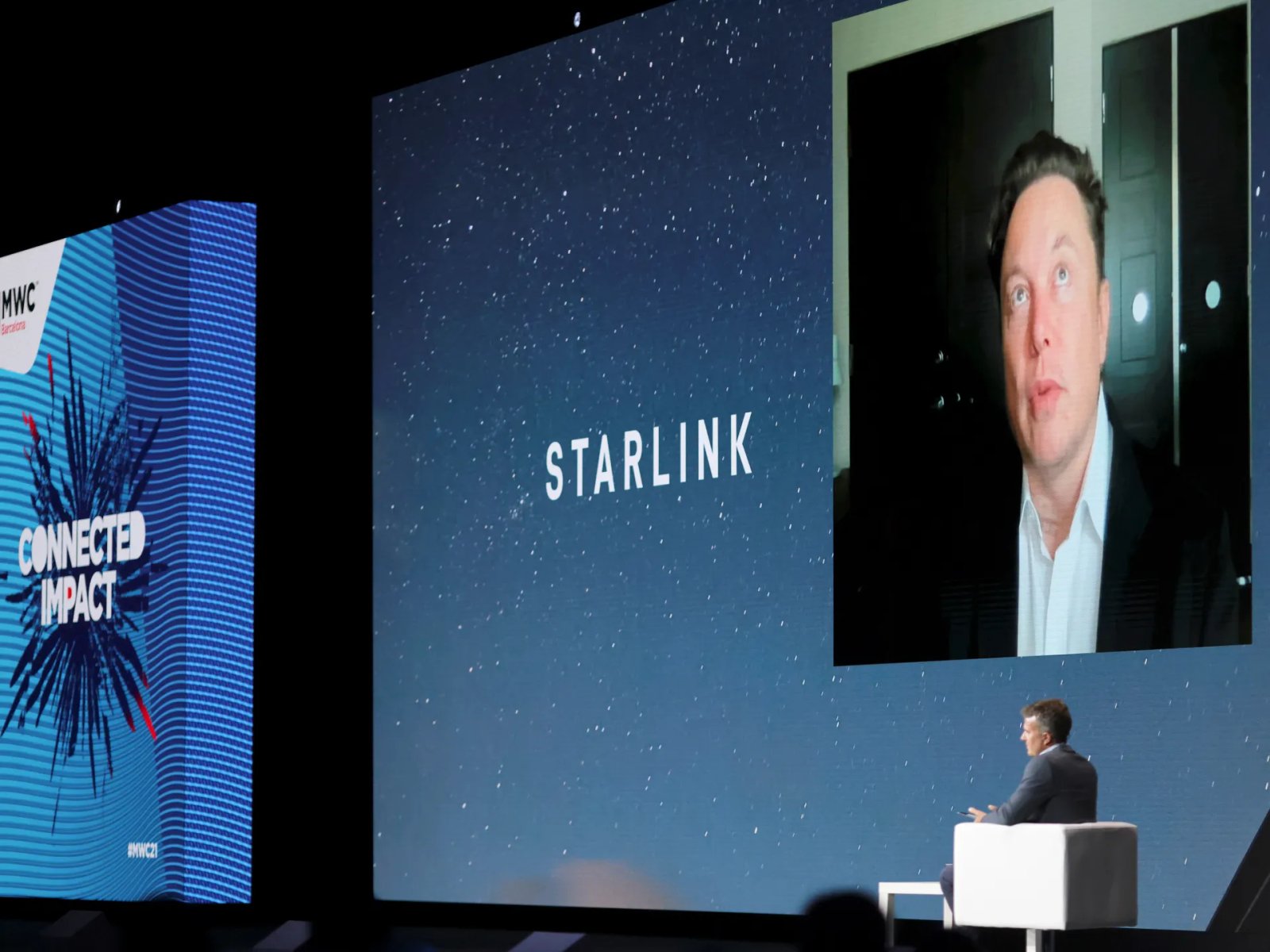
The Indian government has issued a sharp rebuttal to allegations made by Elon Musk regarding the deployment of his satellite internet service, Starlink. On Thursday, the Ministry of Communications dismissed claims that “certain oligarchs” are obstructing the service’s entry into the Indian market, labeling such suggestions as “baseless and misconceived.”
The controversy erupted after Musk took to his social media platform, X, to suggest that powerful figures within India are working to maintain a “monopolistic chokehold” on the nation’s telecommunications sector. While the tech billionaire refrained from naming specific individuals, his rhetoric pointed toward established local industry titans, asserting that the delay in his service’s launch is a disservice to the Indian public.
Ministry Denies Regulatory Bias
Without explicitly identifying Musk, the Ministry of Communications released a formal statement addressing “posts being circulated on social media” that allege a discriminatory regulatory environment. The government emphasized that India’s framework for satellite communication services is both fair and non-discriminatory, designed to foster a competitive landscape rather than favor specific interests.
According to official data, Starlink is one of three satellite providers that secured an initial license from the Indian government last year. The other two entities in the running are Jio Satellite Communications, a unit of Mukesh Ambani’s Reliance Jio, and OneWeb India Communications, which is supported by Sunil Mittal’s Bharti Group.
The ministry clarified that all three companies are currently at identical stages of the regulatory process. Each firm is undergoing the same mandatory security assessments required for final operational approval, debunking the narrative that Starlink is being singled out for delay or unfair treatment.
Musk’s Allegations vs. Ground Reality
Musk’s recent outbursts appear to stem from growing frustration over the timeline for Starlink’s commercial operations in the country. In his posts, he explicitly termed the situation a “crime against the people of India.” Beyond the accusations of interference, Musk also used the platform to address reports regarding security concerns. He firmly denied claims that Starlink satellite beams were being utilized by militants in northeastern India, stating that the service remains inactive over the region.
Market analysts observe that the friction highlights the complex transition in India’s telecom sector, as traditional giants like Jio and Airtel prepare to compete with global low-earth orbit (LEO) satellite constellations. Mukesh Ambani, currently ranked as India’s wealthiest individual with an estimated net worth of over $80 billion, and Sunil Mittal, with a fortune valued at roughly $12.8 billion, lead the two largest telecom providers in the country. Their existing market dominance is seen by some as a potential hurdle for new entrants, though the government maintains that the licensing process remains transparent.
For now, the path forward for Starlink and its competitors hinges on the successful completion of these security reviews. The government’s firm stance serves as a signal that while it is open to satellite-based internet technology, all providers—foreign or domestic—will be held to the same rigorous compliance standards.
Disclaimer: This content is auto-generated for informational purposes only.
Source: Read Original News