







NPCI Likely to Defer UPI Transaction Fees Until January 2027
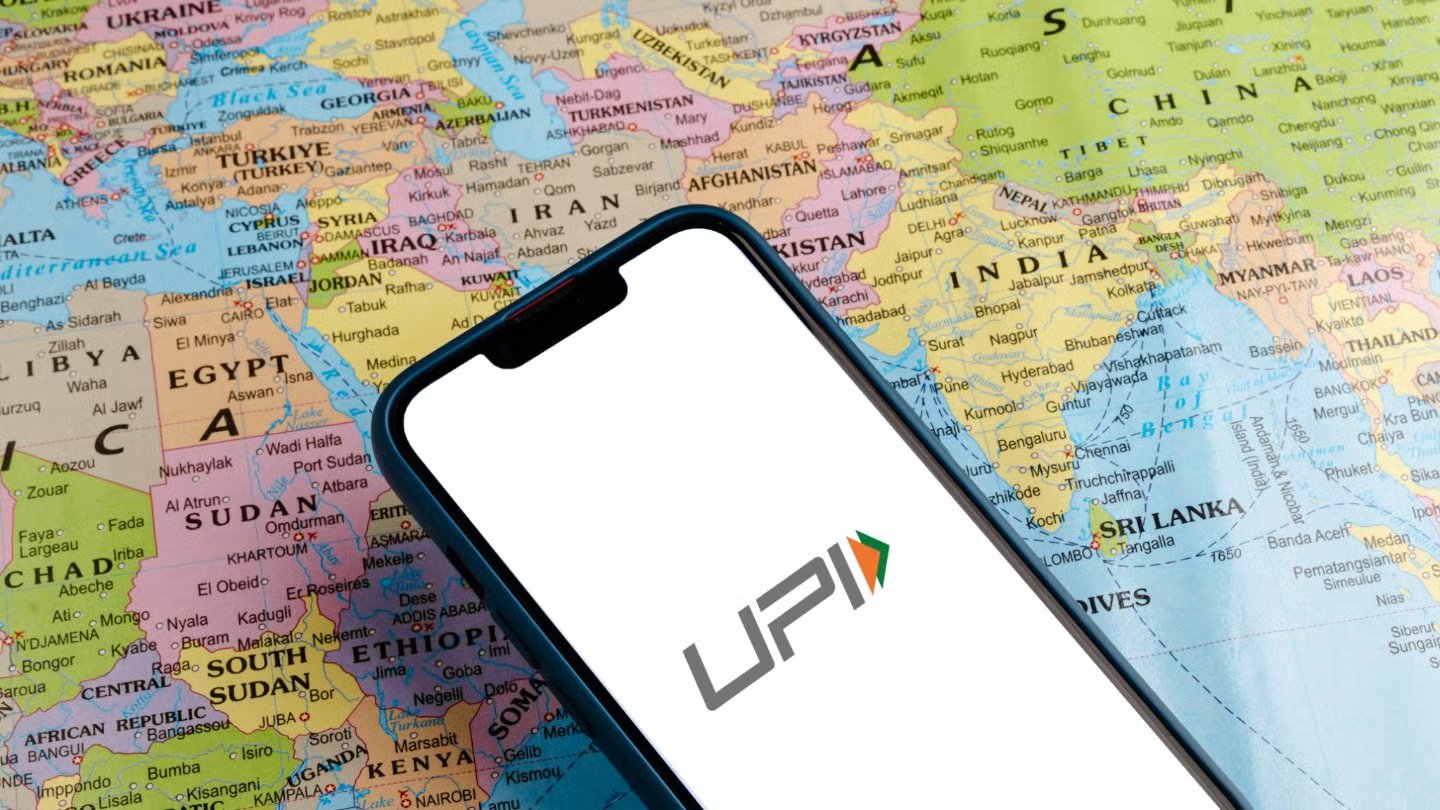
The National Payments Corporation of India (NPCI) is reportedly considering a significant delay in the introduction of a new merchant fee structure for high-value transactions on the Unified Payments Interface (UPI). While the levy was originally slated to take effect on October 15, current reports indicate that implementation may be pushed back to January 2027.
The move follows intense pressure from various stakeholders, including fintech firms, payment service providers, and merchant associations. These entities have formally reached out to the NPCI, requesting more time to adapt to the proposed changes. While the NPCI has not yet released an official statement confirming the shift, an authoritative decision is expected to be finalized in the coming days.
Rationale Behind the Potential Delay
The primary catalyst for this anticipated deferral is the timing of the initial rollout. The October 15 start date lands squarely within India’s peak festive season, which stretches from October through December. During these months, retail activity across the country experiences a massive surge. Introducing a new fee structure—specifically a 0.4% merchant discount rate (MDR) on UPI transactions exceeding Rs 2,000—during this period could create significant friction for both vendors and digital payment platforms.
By pushing the implementation to January 2027, the NPCI would allow the digital payment ecosystem to navigate the high-volume festive shopping season without operational disruptions. Industry experts suggest that this extra time is crucial for payment processors to upgrade their back-end systems and ensure that the transition to the new fee structure does not result in additional costs being unfairly passed on to consumers.
Strengthening the Payment Ecosystem
The proposed 0.4% MDR is part of a broader strategic initiative by the NPCI to bolster the long-term sustainability of the UPI network. As the backbone of India’s digital economy, UPI has seen exponential growth, currently serving over 500 million active users.
The revenue generated from these fees is intended to be reinvested into critical infrastructure. Specifically, the funds are earmarked for:
- System Resilience: Enhancing the capacity of the network to handle massive transaction volumes.
- Technical Upgrades: Modernizing core infrastructure to prevent downtime.
- Cybersecurity: Strengthening defenses against evolving digital threats.
- Customer Support: Scaling service operations to address user grievances more effectively.
Market Impact and Future Outlook
The UPI landscape is currently dominated by major players, with Walmart-backed PhonePe and Alphabet-owned Google Pay collectively processing roughly 80% of the total transaction value. For these firms and their competitors, the regulatory environment is a key focus. Following the news of the potential delay, industry stakeholders expressed cautious optimism, viewing the decision as a pragmatic move to maintain consumer confidence while preparing the platform for a more mature, revenue-generating phase.
As the NPCI prepares to finalize its stance, the focus remains on balancing the need for sustainable growth with the mandate to keep digital payments affordable and seamless for the hundreds of millions of Indians who now rely on the platform for their daily financial transactions.
Disclaimer: This content is auto-generated for informational purposes only.
Source: Read Original News