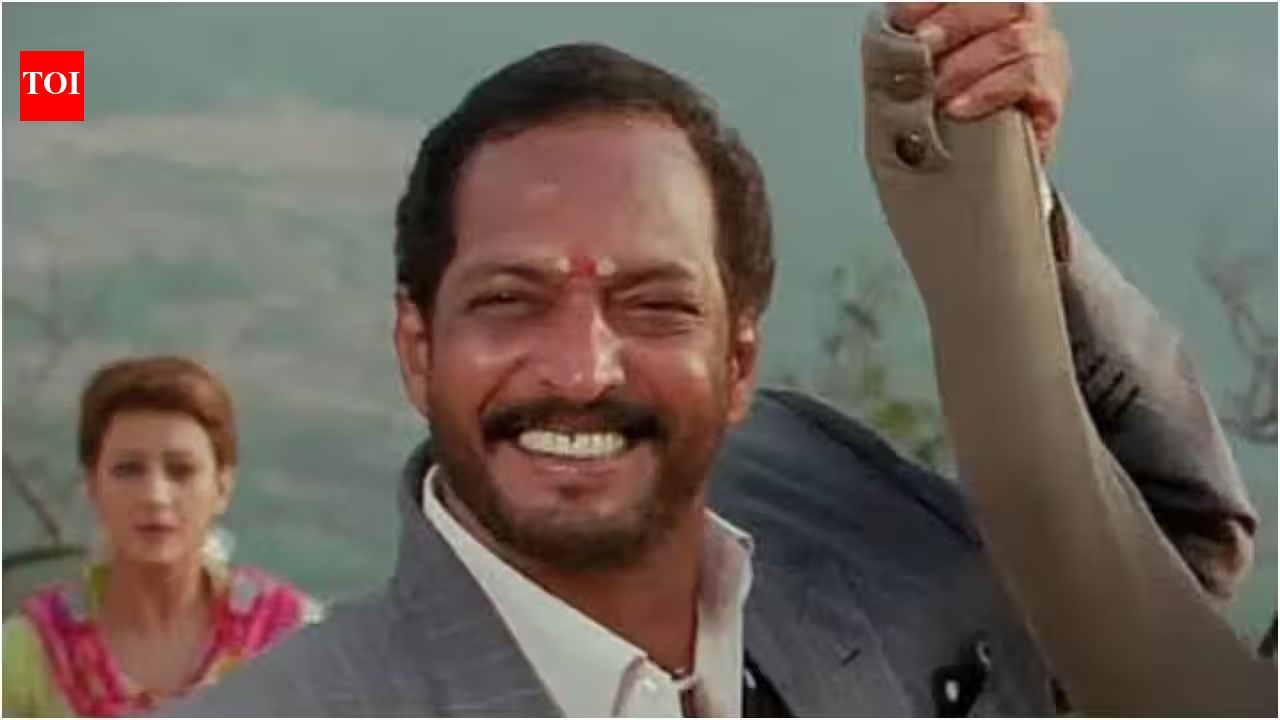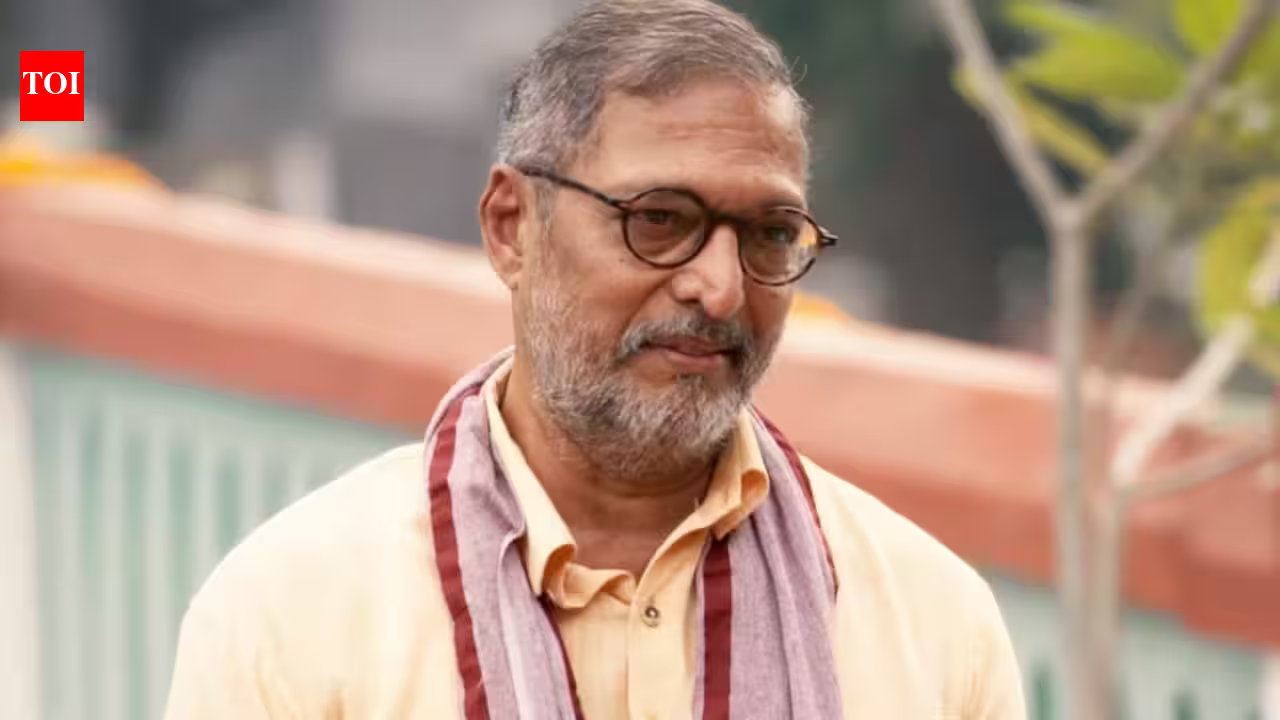







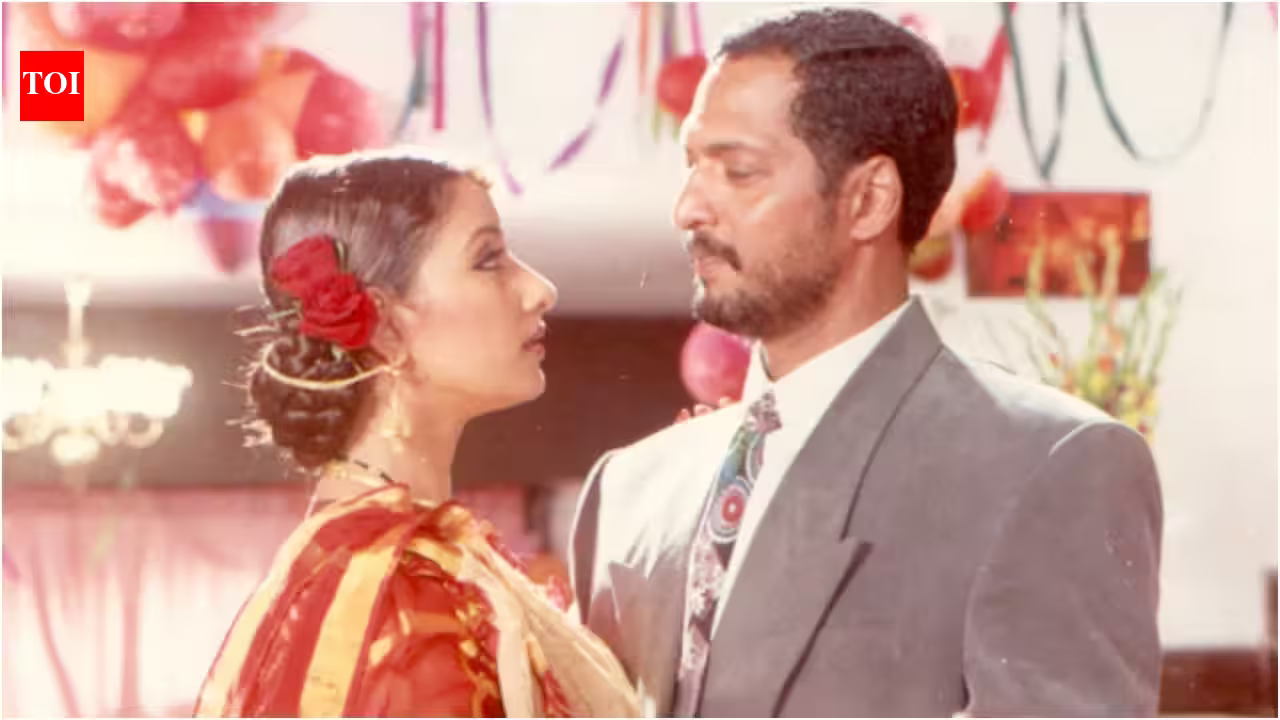
The landscape of Indian cinema feels decidedly quieter today. The news of Nana Patekar’s passing at the age of 75 has sent a wave of genuine grief across the industry, marking the end of a career defined by intensity, unparalleled craft, and a singular screen presence that arguably no other actor in Hindi or Marathi cinema could replicate. As the sun set on Thursday, October 8, 2026, the industry lost one of its most formidable pillars—a man who lived as fiercely as he acted.
His son, Malhar Patekar, confirmed the heartbreaking news, and within hours, social media platforms were flooded with tributes from peers, proteges, and the millions of fans who grew up watching Nana command the frame with nothing but a gaze or a jagged delivery.
Manisha Koirala’s Poignant Tribute
Among the many voices reflecting on his life, the words of Manisha Koirala carried a particular weight. Having shared one of the most storied, high-profile professional and personal chapters with the late actor, Koirala took to X to share her condolences.
“Deeply saddened by the passing of a great actor, a remarkable presence and a true stalwart of the craft,” she wrote. “His contribution to cinema and his dedication to his craft will always be remembered. May his soul rest in peace. Om Shanti.”
For those who followed the trajectory of their careers in the mid-90s, the tribute was more than a formal statement; it was an acknowledgment of a creative partnership that, at its peak, produced some of the most emotionally charged performances in modern Indian film history.
A Chemistry Forged in Complexity
To speak of Nana Patekar’s filmography without mentioning his collaborations with Manisha Koirala would be to omit a pivotal chapter of their respective careers. Their on-screen chemistry was electric, often characterized by a raw, unvarnished intensity that blurred the lines between acting and reality.
Their collaboration began in 1996 with Sanjay Leela Bhansali’s Khamoshi: The Musical, a film that remains a masterclass in nuanced performance. They followed it up later that year with Agni Sakshi and reunited in 1998 for Yugpurush.
Ranbir Pushp, who penned the screenplay for Agni Sakshi, provided a rare window into their dynamic just last month. Reflecting on those sets, Pushp noted that the two shared an almost telepathic understanding. “They would talk through their scenes extensively before the camera rolled,” he recalled. “That mutual understanding is exactly what translated to the screen—that feeling of being ‘in the moment’ together.” Pushp’s retrospective look at their bond highlights why audiences were so drawn to them; they weren’t just reciting lines, they were deconstructing them.
The Final Hours: A Quiet Departure
The details surrounding Nana’s final hours have only added to the poignancy of his passing. According to reports from Goa, where the actor had been residing, the events of October 8 unfolded with a suddenness that caught even those closest to him off guard.
It appears the veteran star began to experience health complications in the dead of night. At approximately 2:30 a.m., Nana reached out to a friend via text message, indicating he was feeling unwell. In a cruel twist of timing, the message went unseen until it was too late. By the time his friend arrived at his residence around 4:00 a.m., the actor was already in a critical state, found drenched in sweat and losing consciousness.
He was rushed to Manipal Hospital by 4:30 a.m., but despite a desperate, hour-long attempt at a cardiac massage by medical staff, he could not be revived. He was pronounced dead at 5:30 a.m. Due to the nature of his sudden passing, the incident was treated as a medico-legal case, with his body transported to the Goa Medical College for a post-mortem, a final procedural formality for a man who had lived his life in the public eye.
A Legacy Beyond the Screen
Nana Patekar was never a conventional movie star. He didn’t play by the rules of box office aesthetics; he played by the rules of truth. Whether he was portraying the volatile, troubled husband or the gritty, uncompromising police officer, he brought a level of intellectual rigor to his roles that elevated the material.
His influence extended far beyond the silver screen. In the wake of his passing, leaders including Prime Minister Narendra Modi have publicly hailed his immense contribution to both Hindi and Marathi cinema. He was a National Award winner, a writer, a director, and a humanitarian who often preferred the quiet of social work to the glitter of red carpets.
As the industry prepares for the final rites, the atmosphere is one of profound reflection. We are left with a massive catalogue of work that serves as a testament to his talent—a collection of films that remind us why we fall in love with cinema in the first place. Nana Patekar may have left us, but the “remarkable presence” Manisha Koirala spoke of remains etched in the celluloid history of this nation. He was, and will always remain, a true stalwart of the craft.
Disclaimer: This content is auto-generated for informational purposes only.
Source: Read Original News