







India Extends Scientific Hand to Africa: Training Initiative for Climate-Resilient Millets Launched
As climate change continues to destabilize agricultural landscapes across Africa through erratic rainfall, severe droughts, and rising temperatures, India has stepped forward as a partner in food security. The Indian Council of Agricultural Research (ICAR), under its prestigious Millets and Other Ancient Grains International Research Initiative (MAHARISHI), has launched a specialized, fully-funded training programme for African scientists.
The initiative, hosted at the Global Centre of Excellence on Millets at the ICAR–Indian Institute of Millets Research (IIMR) in Hyderabad, seeks to equip researchers with the advanced tools necessary to cultivate climate-resilient, nutritionally superior grain varieties.
Strengthening Global South Collaboration
The three-month fellowship, scheduled to run from December 1, 2026, to February 28, 2027, is designed to facilitate robust South–South cooperation. By bridging the gap between Indian agricultural expertise and the specific needs of African farmers, the programme aims to accelerate the development of food systems that can withstand the mounting pressures of a warming planet.
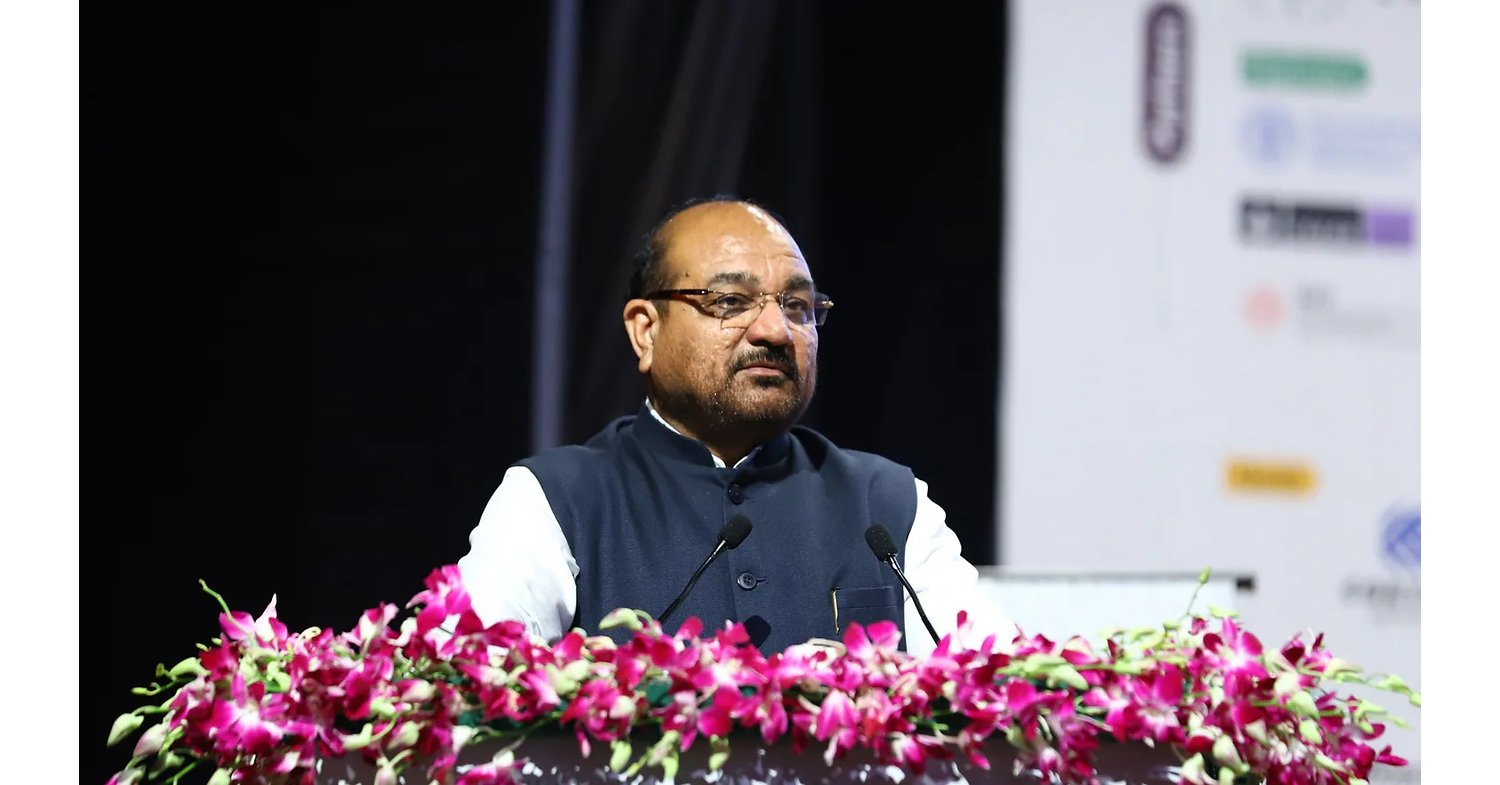
Dr. Mangi Lal Jat, Secretary of the Department of Agricultural Research and Education (DARE) and Director General of ICAR, emphasized that the future of dryland food security relies on international synergy. “India has built deep scientific expertise in millets and other ancient grains, and sharing that knowledge across borders can multiply its value and impact,” Dr. Jat noted. He added that the initiative is not merely about academic training but about building an enduring network of scientists capable of adapting modern agricultural technologies to local realities.
A Comprehensive Approach to Agriculture
The curriculum for the selected early- and mid-career researchers is extensive, moving far beyond basic crop breeding. Participants will receive hands-on training in cutting-edge areas such as genomics-led breeding, high-throughput genotyping, phenotyping, and rapid generation advancement.
Beyond the laboratory, the programme addresses the entire millet value chain. Training modules will cover essential aspects such as agronomy, seed systems, post-harvest management, nutritional enhancement, and food safety. Furthermore, the initiative places a strong emphasis on entrepreneurship and market development, ensuring that once improved varieties are developed, they can effectively reach and benefit local farming communities.
Addressing the ‘Productivity and Capability Traps’
Ms. Alice Ruhweza, President of AGRA, lauded the collaboration, noting that it directly targets the structural challenges hindering African agricultural growth. According to Ms. Ruhweza, initiatives like MAHARISHI help African nations overcome the “productivity, capability, and value traps” by building the institutional capacity needed to drive innovation.
“The growing importance of millets and other ancient grains also creates an opportunity to address the value trap by expanding market opportunities,” Ms. Ruhweza stated. By sharpening the expertise of African scientists, the programme provides the intellectual infrastructure necessary for long-term agricultural prosperity.
Eligibility and Application Process
The call for applications is currently open, targeting citizens of African nations who hold a PhD in a relevant life-sciences field. Applicants must be 45 years of age or younger and be actively engaged in millet-related research. Candidates demonstrating a strong commitment to disseminating their acquired knowledge within their home institutions will be prioritized.
Interested scientists are encouraged to submit their applications through the official MAHARISHI portal (maharishi.res.in) before the October 10, 2026, deadline. This initiative stands as a testament to India’s commitment to global food sovereignty, leveraging its leadership in ancient grain research to foster a more resilient, well-nourished future for the Global South.
Disclaimer: This content is auto-generated for informational purposes only.
Source: Read Original News