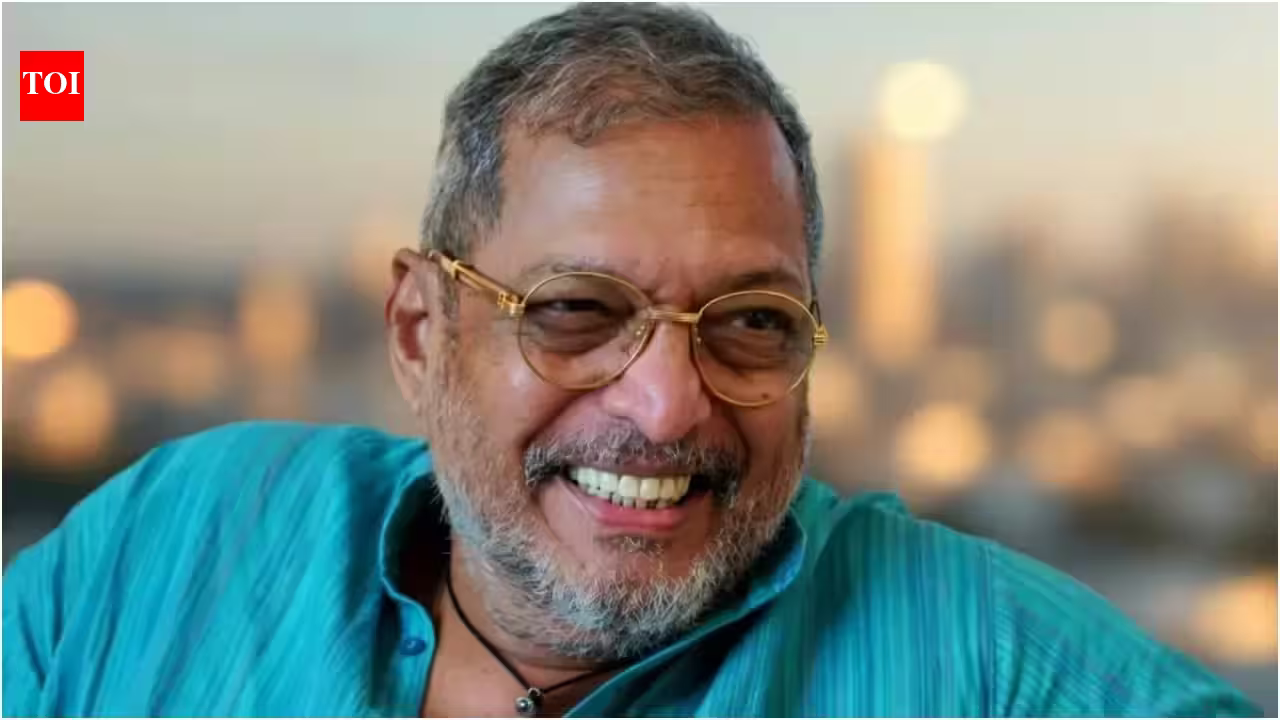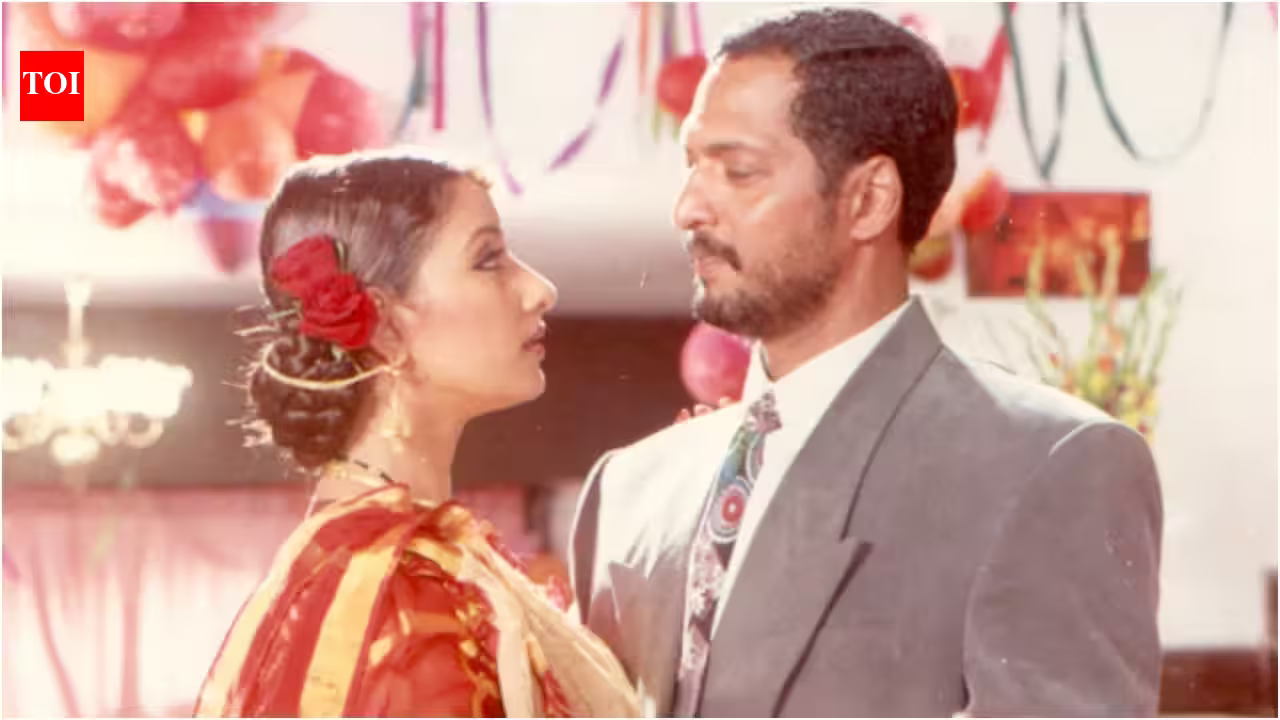







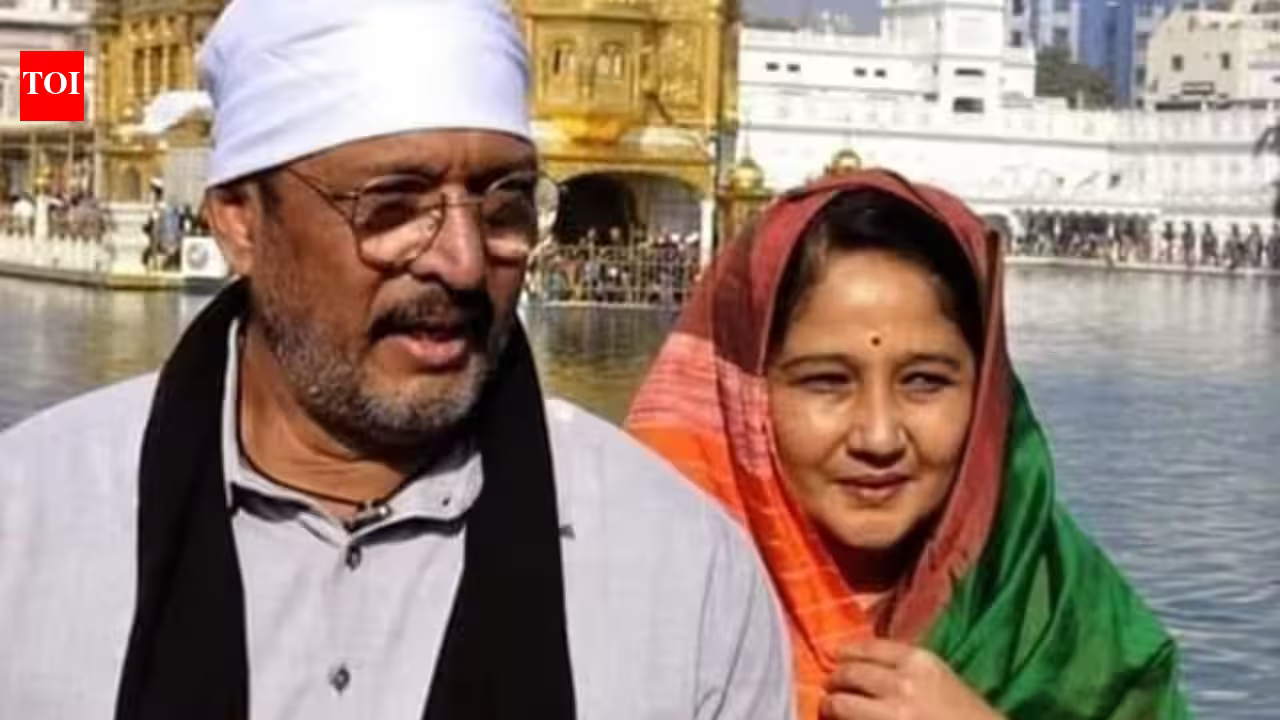
The Indian film industry is currently mourning the loss of a titan. Nana Patekar, the powerhouse performer known for his searing intensity and uncompromising craft, passed away this Thursday in Goa at the age of 75 following a cardiac arrest. While his screen presence was often defined by thunderous monologues and a palpable sense of volatility, the man behind the persona was forged in the fires of personal struggle, profound grief, and a quiet, domestic resilience that rarely made the headlines.
As the industry reflects on a career that spanned decades and crossed the divide between Marathi theater and Bollywood superstardom, it is the intimate, often painful chapters of his life that reveal the true character of the man. Beyond the National Awards and the box-office success lies a narrative of a man who survived because of the strength of those he loved, and a father who carried a lifelong scar from the loss of a child.
A Foundation Built on Sacrifice
Long before the world knew his face, Nana Patekar was a struggling artist searching for a foothold in the competitive world of acting. His early days in the industry were defined by financial instability and the crushing uncertainty of a career in the arts. It is here that his wife, Neelkanthi, played an unsung but pivotal role.
The two met while performing in the play Jaat Na Pucho Sadhu Ki. At a time when Nana was scraping by on a meager Rs 50 per show—rarely grossing more than Rs 750 a month—Neelkanthi was working as a bank officer with a steady salary of Rs 2,500. In a candid interview with The Lallantop, Patekar reflected on the debt of gratitude he owed her. “She told me that if you want to pursue this as a career… I am already making money so we have money coming in for the family,” he recalled.
Her financial stability provided him with the rare luxury of artistic freedom. It allowed him to chase his dream without the immediate threat of poverty hanging over his head. It is a testament to their bond that, even as their lives eventually diverged—with the couple living separately for much of their later years—the respect and recognition of her contribution to his success never wavered. They remained married, a partnership that survived the evolution of their roles and the geographical distance between them.
The Unspeakable Loss of Durvasa
Perhaps the most poignant aspect of Nana Patekar’s life, and one that he rarely discussed until his later years, was the death of his elder son, Durvasa. The child, named after a mythological figure known for his temper, passed away at just two-and-a-half years old.
Patekar’s recollection of this period is startlingly honest, stripping away the polish that celebrities often use to frame their personal tragedies. He admitted that his initial reaction to his son’s health challenges—the child was born with a cleft palate and vision difficulties—was not one of immediate, pure empathy, but of vanity. “The first thought that ran through my mind… was, ‘What will people think about me, that my son looks like this’,” he confessed.
For a man who later built a career on playing characters of unflinching strength and moral clarity, this admission of his own past human frailty was remarkably vulnerable. He referred to it as a “terrible” thought, but in doing so, he provided a rare window into the internal struggle of a young father grappling with external pressures and his own shortcomings. Despite his short life, Durvasa became the “triggering point” for the man Patekar would eventually become—a man who learned that the most important lessons often come from the deepest pain.
Grief, Smoking, and the Mask of Stoicism
How does a man who prides himself on a “chin-up” attitude process a death that tears at the soul? For Nana Patekar, the answer was found in a dangerous, self-destructive coping mechanism. He never allowed himself the public catharsis of tears, claiming that he reserved such emotions for the characters he portrayed on screen. In his private life, the grief manifested as an addiction to cigarettes.
At his peak of internal turbulence, he was smoking up to 60 cigarettes a day. It was a habit so pervasive that he would light up while showering, a detail that underscores the desperate intensity of his mourning. He spoke of the foul smell that followed him, a byproduct of a pain he couldn’t verbalize. “I never drank alcohol much but I smoked a lot,” he noted.
This habit was a testament to the fact that while he carried himself with an aura of invincibility, the loss of his son had left a void that he struggled to fill. His eventual survival and continued success in cinema were not just signs of his talent, but of his ability to navigate the aftermath of a trauma that would have broken many others.
A Legacy Beyond the Screen
As news of his passing reverberated through the nation, political leaders and fellow artists alike paid tribute to a man whose contribution to both Hindi and Marathi cinema was, and remains, immeasurable. Prime Minister Narendra Modi was among the first to acknowledge the veteran actor’s profound impact on the cultural landscape of India.
However, for those closest to him, the loss is not of a celebrity, but of a husband, a father, and a man who lived a life as complex and dramatic as any of the roles he inhabited. His son, Malhar, confirmed that the end came naturally at their residence in Goa, closing the final act of a life defined by extremes: from the meager Rs 50 paychecks of his youth to the accolades of a National Award-winning icon.
Nana Patekar leaves behind a legacy that is not just about the dialogues he delivered or the characters he immortalized, but about the grit required to sustain a human life in the face of immense pressure. He lived without a filter, loved through sacrifice, and mourned in silence—a true original who, even in death, reminds us that the most significant performances of our lives often happen when the cameras are turned off.
Disclaimer: This content is auto-generated for informational purposes only.
Source: Read Original News