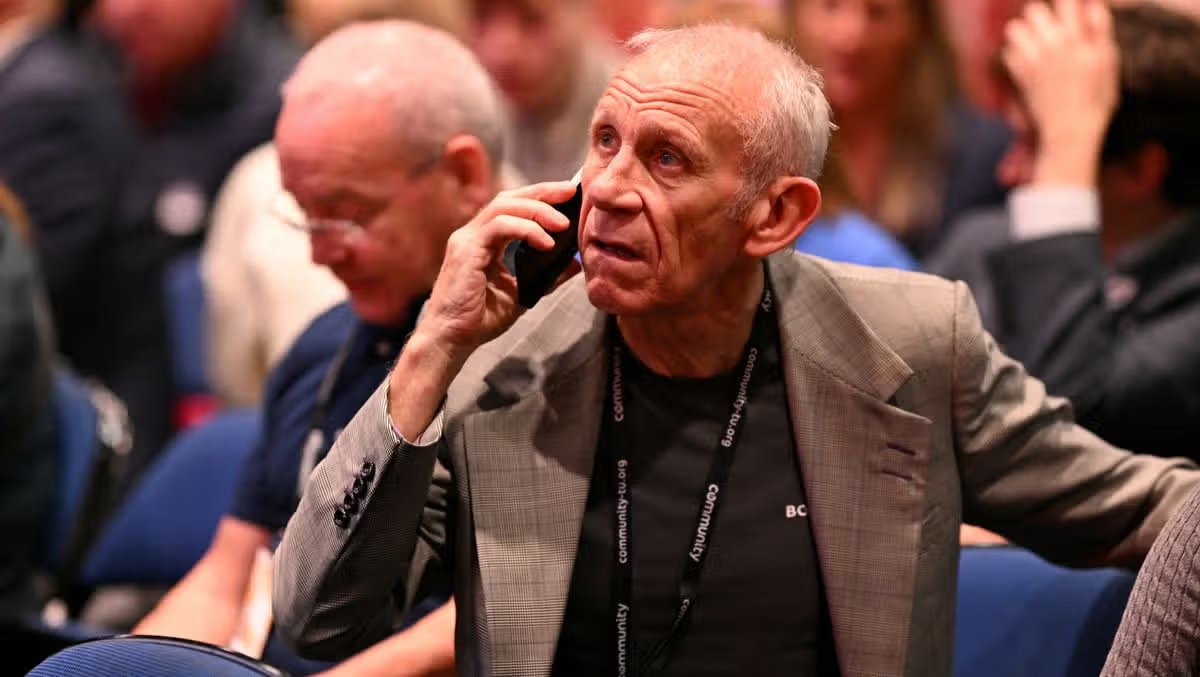









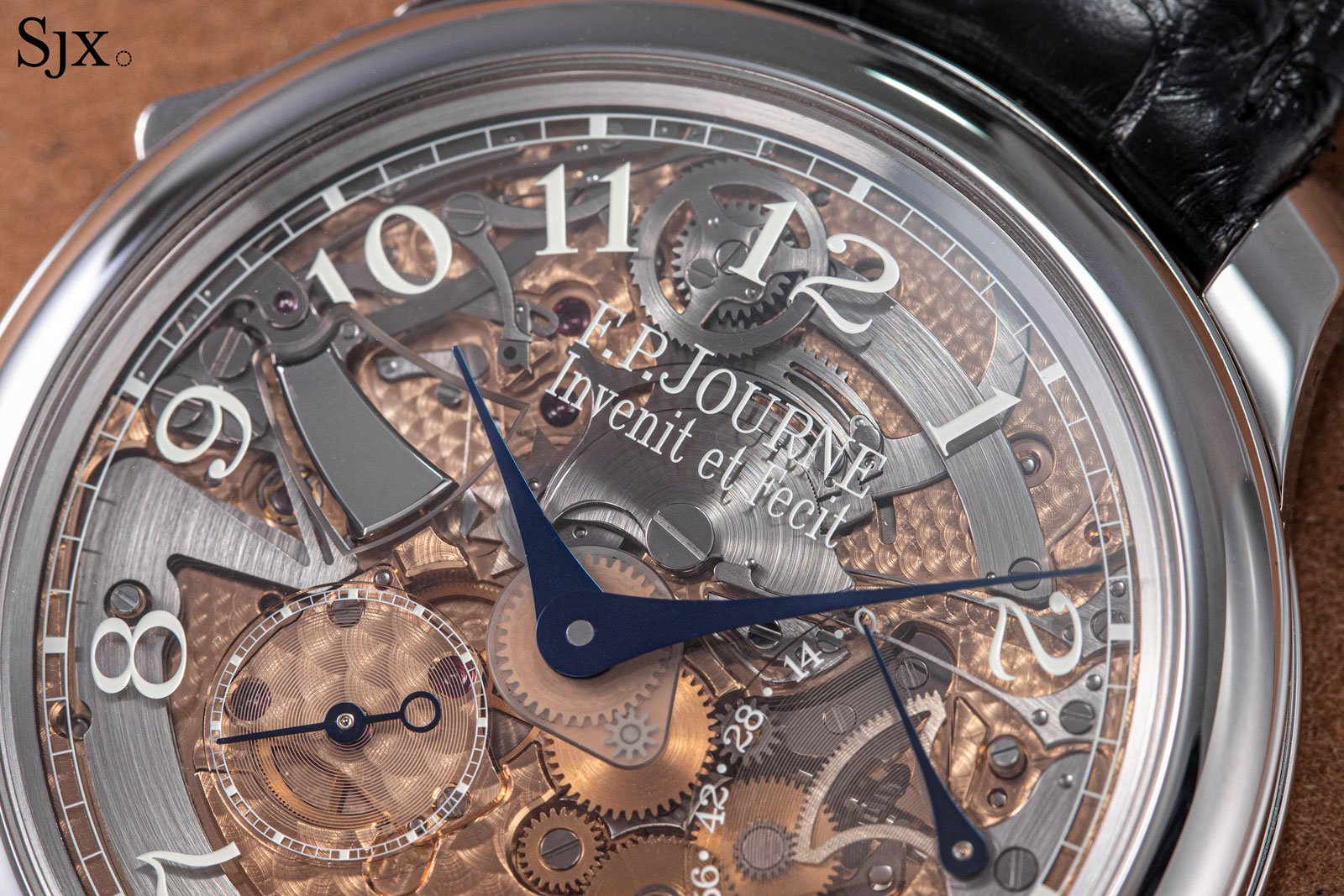
In a move that has sent shockwaves through the Swiss watch industry, Ebel—the storied manufacturer once known as the “Architect of Time”—has been acquired by a heavyweight consortium led by independent horological legend François-Paul Journe, the luxury powerhouse Chanel, and former De Bethune CEO Pierre Jacques.
The deal, which sees the consortium purchase a 95% stake in Ebel from the Movado Group for US$66.5 million, marks a dramatic pivot for a brand that has struggled to regain its former glory. Movado, which has held the brand for over two decades, will retain the remaining 5% interest, effectively ending its long, often unsuccessful attempt to revitalize the once-mighty marque.
For enthusiasts, the composition of the buying group is as significant as the sale itself. The acquisition brings together a unique “trifecta” of industry power: the financial stability and marketing reach of Chanel, the peerless engineering and creative vision of F.P. Journe, and the operational precision of Pierre Jacques. Observers suggest that this merger of resources is aimed at steering Ebel back to its high-end roots, distancing it from the entry-level positioning it occupied under Movado.
Ebel’s history is one of the most compelling narratives in 20th-century watchmaking. During the 1980s and 90s, under the charismatic leadership of Pierre-Alain Blum, the brand reached stratospheric heights. It was an industry giant, most famous for its iconic “Sport Classique”—the “wave” model with its signature integrated bracelet that defined the era’s luxury aesthetic. At its peak, Ebel’s success was such that it served as a manufacturing partner for Cartier and stood as the largest buyer of Zenith’s legendary El Primero movements.
However, the brand’s golden age ended in the mid-1990s following a series of ill-fated diversifications that forced a sale to Investcorp. The subsequent decades saw the brand trade hands between LVMH and eventually the Movado Group, during which time it underwent a slow, painful decline while the wider luxury watch sector experienced unprecedented growth.
Industry analysts view the price tag of US$66.5 million as a bargain, noting that Movado is essentially exiting the brand for a valuation nearly identical to what it paid for the company over 20 years ago. For Movado, the divestment allows for a sharpened focus on its remaining namesake brand and Concord.
For the new owners, however, the challenge is clear: Ebel possesses one of the deepest archives and strongest brand identities in the business, but it requires a complete repositioning. With the technical prowess of Journe and the backing of Chanel, the industry is already abuzz with speculation regarding whether Ebel might soon return to its position as a powerhouse of Swiss mechanical innovation. For now, the “Architect of Time” has new, formidable blueprints.
Disclaimer: This content is auto-generated for informational purposes only.
Source: Read Original News