









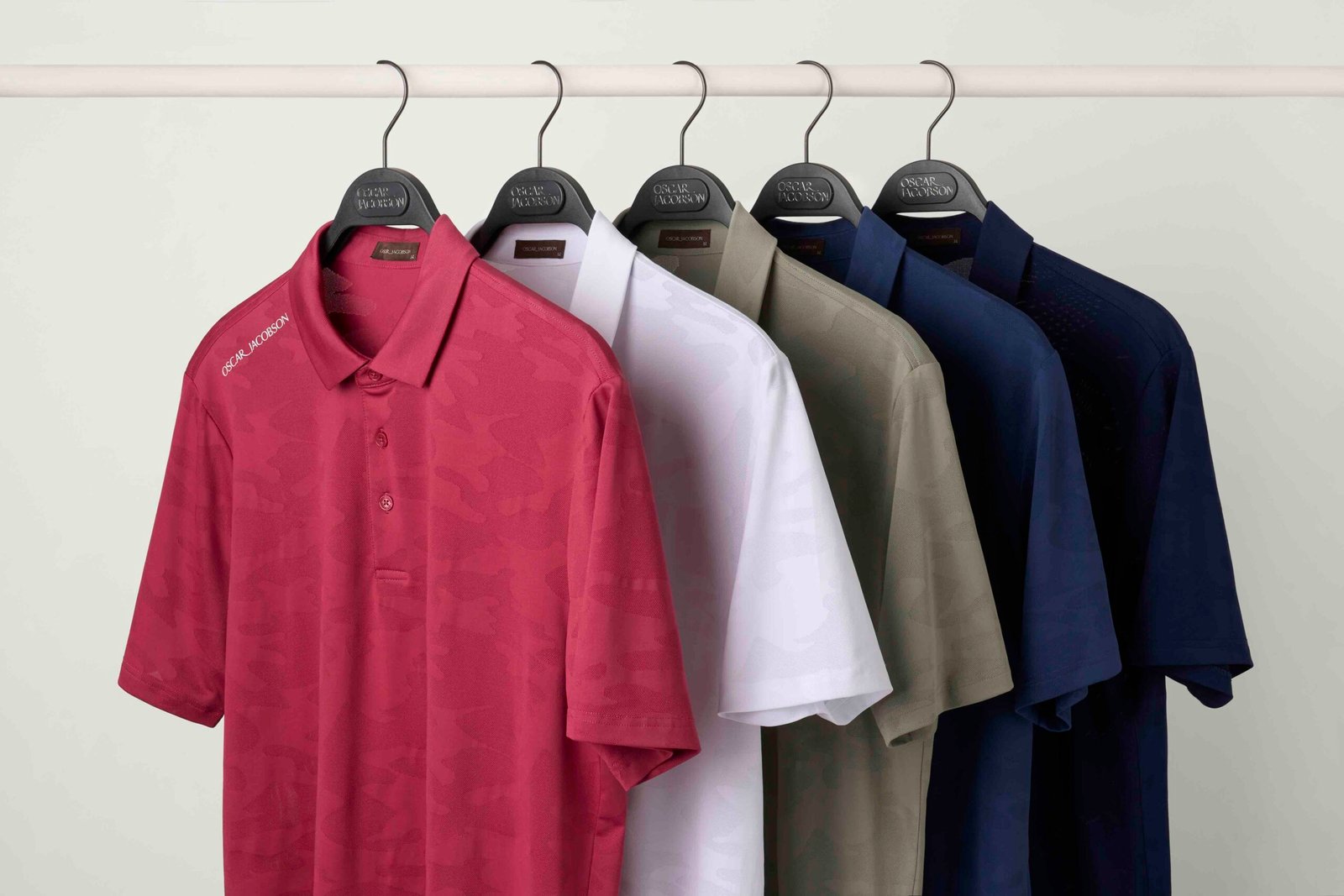
The intersection of high-end fashion and digital intelligence is reaching a new peak as brands increasingly utilize AI-driven design platforms to bridge the gap between historical aesthetics and modern manufacturing. Today’s announcement of the SS27 collection, which draws heavy inspiration from the geometric rigor of Art Deco architecture, highlights how machine learning is being deployed to streamline complex pattern work while maintaining a bespoke, artisanal feel.
As the industry pivots toward more personalized consumer experiences, the integration of generative design tools and advanced predictive analytics is setting a new standard for how apparel collections are conceptualized and distributed across global digital marketplaces.
Art Deco Meets Algorithmic Precision
The core of the SS27 collection is a sophisticated blend of 1920s-era architectural motifs and contemporary color theory. By utilizing advanced AI modeling software, the design team was able to map intricate, repetitive Art Deco patterns onto high-performance fabrics, ensuring that the visual flow of the garments remains consistent across various sizes and cuts.
The color palette—defined by muted, earthy tones of dusky sage contrasted against bold, saturated crimson—represents a strategic move toward “mood-based” design. Developers behind the collection’s production pipeline note that AI-driven color matching tools were used to ensure these specific hues remain consistent across digital advertisements, e-commerce platforms, and physical retail lighting. This technical precision is essential for maintaining brand identity in an age where digital color accuracy can make or break a customer’s purchasing decision.
Optimizing the Digital Shopping Experience
The rollout of the SS27 collection is also a case study in how fashion houses are leveraging Google’s retail tech stack to optimize the consumer journey. Through the use of Google Cloud’s Vertex AI, the brand has implemented enhanced visual search capabilities, allowing potential customers to upload photos of interior design elements or architectural photography to find matching pieces within the new collection.
Furthermore, by integrating these products into the Google Merchant Center with updated structured data, the brand is ensuring that search results provide more than just a link. Users will see rich snippets displaying real-time stock levels, dynamic pricing, and virtual try-on previews. This integration of AI-assisted commerce tools allows for a “phygital” experience where the lines between the inspiration—the Art Deco buildings—and the physical product are blurred, providing a seamless path from discovery to checkout.
The Future of Data-Driven Design
Looking beyond this season, the shift toward integrating AI into the creative process is accelerating. Industry leaders are now relying on Google Trends and predictive analytics to determine which sub-trends within the broader Art Deco aesthetic will resonate most with different global demographics. By analyzing search volumes for specific patterns and color combinations, the brand was able to tailor the SS27 launch strategy to target key growth markets before the first garment even reached the warehouse.
This data-first approach does not replace the designer’s vision; rather, it acts as a digital curator. By filtering vast amounts of consumer feedback and architectural data through machine learning models, designers are freed from the logistical constraints of pattern testing, allowing them to focus on the textures and silhouettes that define the brand. As AI continues to evolve, the expectation is that such collections will become even more hyper-personalized, with technology eventually allowing for on-demand customization that keeps pace with the rapid changes of modern fashion cycles.
Ultimately, the SS27 collection represents a harmonious marriage of history and innovation. By blending the structured elegance of the past with the computational power of the present, the collection serves as a blueprint for how the tech industry and the fashion sector can continue to drive one another toward higher levels of efficiency and aesthetic sophistication.
Disclaimer: This content is auto-generated for informational purposes only.
Source: Read Original News